


The story of The Wonders of Aladdin and its magical premise
The Wonders of Aladdin tells the story of a young street urchin who stumbles upon a lamp containing a genie—and from that moment on, his ordinary life transforms into a cascade of extraordinary misadventures. What follows isn't the Disney version you might expect. Instead, director Henry Levin crafts a 1961 adventure comedy that leans hard into spectacle, slapstick, and the kind of theatrical energy that defined mid-century Hollywood fantasy films. The film's official tagline—"The Most Delight-Filled entertainment ever to tickle your fancy!"—signals exactly what you're getting: something unabashedly playful, designed to entertain rather than to psychoanalyze. At 93 minutes, it doesn't overstay its welcome, moving from one set piece to the next with the momentum of a vaudeville revue.
Behind the making of The Wonders of Aladdin and its star power
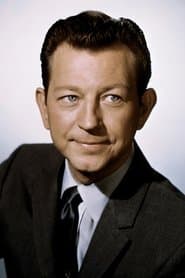
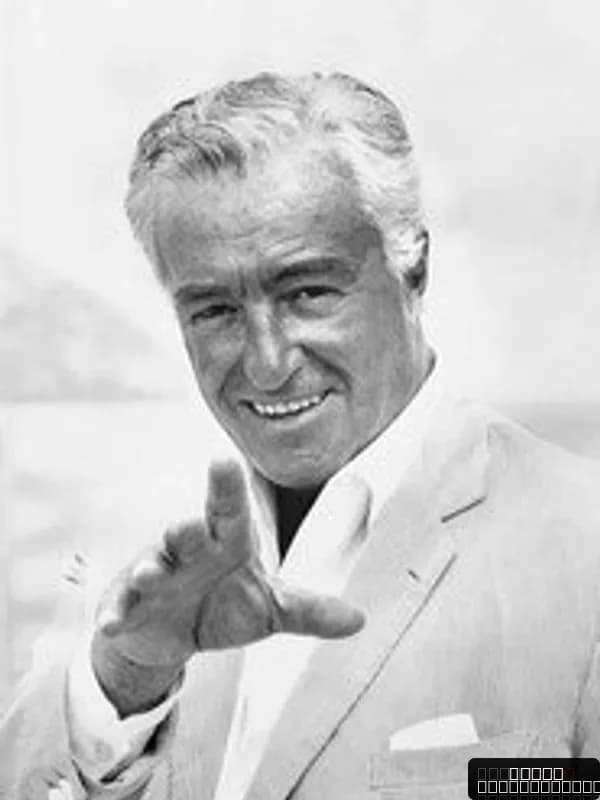
Produced by Joseph E. Levine for Metro-Goldwyn-Mayer, The Wonders of Aladdin was a genuine international co-production, bringing together Embassy Pictures, Lux Film, and the French production company Lux Compagnie Cinématographique de France. That kind of transatlantic collaboration was ambitious for the era—and it shows in the film's visual scope and production design. The real draw, though, was casting Donald O'Connor in the title role. O'Connor was coming off his legendary work in Singin' in the Rain (1952), so audiences knew him as a performer who could sing, dance, and carry a film on pure charisma. By 1961, he was still a bankable star, and his presence alone suggested this wouldn't be a straightforward retelling. The film arrived during a curious moment in cinema history, when Hollywood was still experimenting with how to adapt classic tales—some attempts landed with grace, others became campy curiosities. The Wonders of Aladdin fell somewhere in between, and that hybrid identity is part of what makes it worth revisiting today.
What makes The Wonders of Aladdin stand out in mid-century fantasy cinema
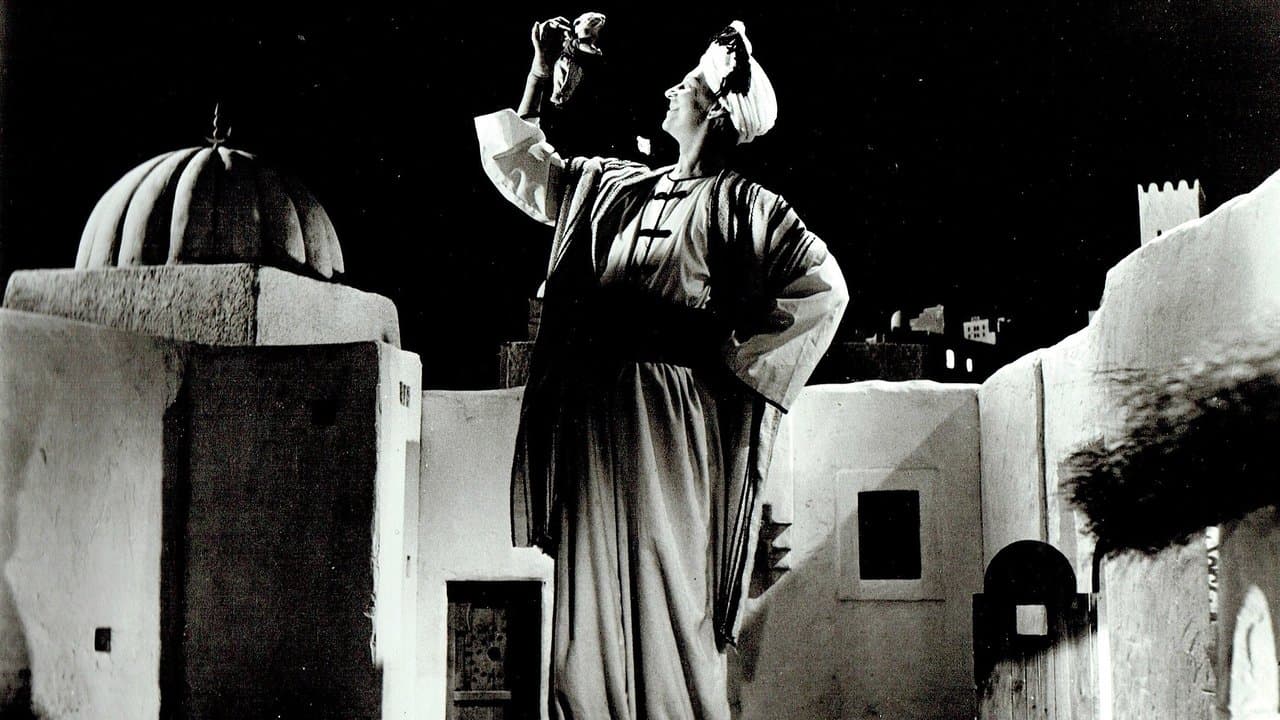
What's striking about The Wonders of Aladdin is how earnestly it commits to its own absurdity. O'Connor throws himself into the role with a performer's instinct for what will play—there's a sequence early on where he's navigating the palace that's pure physical comedy, the kind of thing that wouldn't feel out of place in a silent film. The supporting cast brings energy too, and while the film doesn't pretend to profound emotional depth, it's not trying to either. That's actually refreshing. There's no attempt to graft modern sensibilities onto the material or to wink at the audience in a self-aware way. Instead, the film operates on the logic of a fairy tale: things happen because they're entertaining, not because they're psychologically coherent. The production values—the costumes, the painted backdrops, the practical effects—have a tactile quality that digital work can't quite replicate. I keep coming back to the fact that you can see the seams, literally see the effort, and somehow that's more charming than polish would've been. The IMDb rating of 5.2/10 reflects a film that modern critics find uneven, but that score doesn't capture the experience of watching it as a piece of entertainment history—which is exactly what Movie OTT helps you contextualize when you're browsing your next watch.
Where to stream The Wonders of Aladdin online
The Wonders of Aladdin is currently available on major OTT services, and the Where to Watch widget at the top of this page will show you exactly which platforms are carrying it right now. Streaming availability shifts constantly, so it's worth checking that widget rather than relying on memory—what's on one service this month might migrate elsewhere next season. Movie OTT tracks current streaming availability across all the major platforms, so you don't have to hunt through five different apps to figure out where to find it. If you're in the mood for a specific kind of vintage Hollywood fantasy, the platform makes it easy to discover where it's living at any given moment. The 93-minute runtime makes it a perfect rainy-afternoon watch, the kind of film that doesn't demand too much commitment but rewards your attention with genuine moments of craft and character work.
Frequently asked questions
Q: Who directed The Wonders of Aladdin?
Henry Levin directed the film. Levin was a prolific Hollywood director who worked across multiple genres, and he brought his commercial instincts to this fantasy adventure, keeping the pace brisk and the tone consistently playful throughout the 93-minute runtime.
Q: What year was The Wonders of Aladdin released?
The film was released in 1961. It arrived during an interesting period in Hollywood, when studios were still experimenting with how to adapt classic tales for the big screen, often with wildly varying results.
Q: Who stars in The Wonders of Aladdin?
Donald O'Connor plays the title character. O'Connor was a major star at the time, known for his singing, dancing, and comedic timing—skills that served him well in this role.
Q: Is The Wonders of Aladdin based on the original Arabian Nights tale?
Yes, the film is based on the classic Aladdin story from Arabian Nights, though this 1961 version takes considerable creative liberties with the source material, treating it as a vehicle for spectacle and comedy rather than a faithful adaptation.
Q: Where can I watch The Wonders of Aladdin?
The film is currently available on major OTT streaming services. Check the Where to Watch widget at the top of this page to see which platforms are carrying it in your region, as availability changes frequently.
Final thoughts on The Wonders of Aladdin
The Wonders of Aladdin won't change your life. It's not a masterpiece, and it's not trying to be one. What it is, though, is a genuinely entertaining artifact of 1961 Hollywood—a film that knows exactly what it wants to be and commits to that vision without apology. If you love mid-century fantasy cinema, or if you're curious about how a major star like Donald O'Connor spent his time between bigger projects, it's worth ninety-three minutes of your attention. The film has aged into something almost more interesting than it was on release: a time capsule of how Hollywood thought about spectacle, humor, and adaptation. That's the kind of viewing experience that makes streaming services valuable—not just for new releases, but for the chance to catch films that've been waiting patiently in the vault.