What Black Sabbath is About
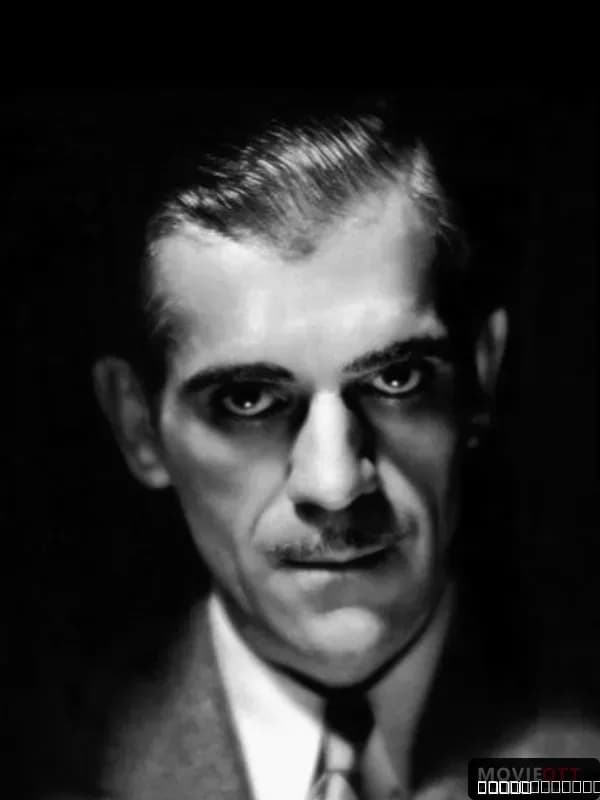
Black Sabbath isn't one story—it's three, woven together by the gravitas of Boris Karloff, who introduces each tale with the authority of someone who's seen true darkness. The film opens with "The Telephone," a claustrophobic nightmare about a woman tormented by repeated calls from an unseen stalker. Then comes "The Wurdulak," where Karloff himself plays Gorca, a man cursed by an encounter with an undead creature that feeds on those it once loved. The final chapter, "The Drop of Water," follows a nurse who steals a ring from a corpse—only to discover the ring's former owner isn't quite finished haunting the living. Each story operates independently, yet they share a common DNA: the supernatural doesn't announce itself. It creeps. It waits. It strikes when you're alone.
Behind the Making of Black Sabbath
Director Mario Bava was already a legend in Italian horror by 1963, and Black Sabbath showcases why. Bava had spent years working in cinematography before transitioning to directing, which means he understood light and shadow at a cellular level—a skill that becomes essential in anthology horror, where you need to build dread in short bursts. The film was an Italian-French co-production, part of a wave of European horror cinema that was quietly reshaping the genre while Hollywood was still figuring out what it wanted to be. Boris Karloff, then in his mid-seventies, brought the kind of star power that gave the project international reach. The film earned an "Approved" rating from the MPAA, which meant it could play in mainstream theaters across America, though some versions were cut for content. Over the decades, Black Sabbath has picked up two awards wins and a nomination, and its Metascore of 82 reflects the kind of critical appreciation that doesn't fade with time. The runtime of 92 minutes is economical—no fat, no padding, just three stories that know exactly what they're doing.
Why Black Sabbath Still Unsettles Audiences
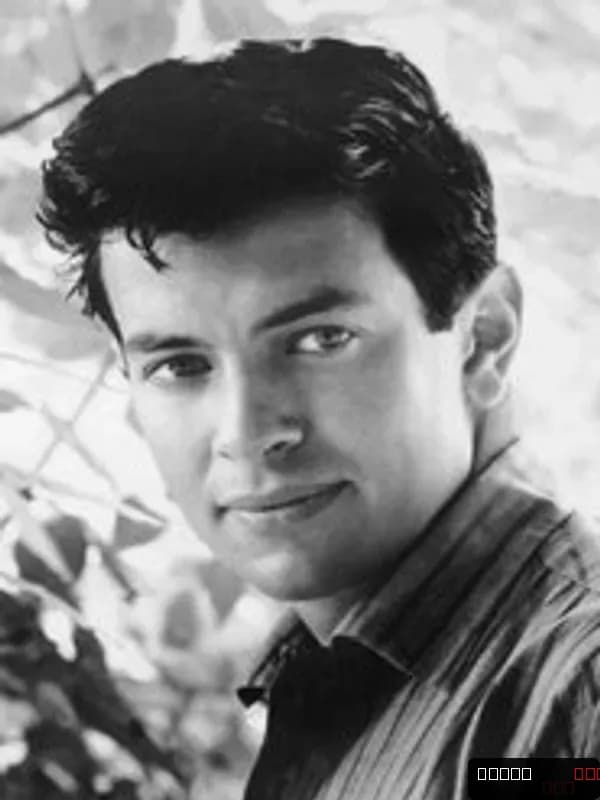
What's striking about Black Sabbath is how it refuses to rely on gore or jump scares to get under your skin. Instead, Bava builds tension through implication. In "The Telephone," the stalker is never shown—he's just a voice, a presence, a violation of privacy that feels unnervingly modern even now. The second story leans into folk horror, that sense that some curses run deeper than reason can reach. And "The Drop of Water"—honestly, the image of a dead woman's hand reaching out from beneath a sheet is more effective than any amount of explicit violence could be. Rotten Tomatoes gives the film 89% Fresh, and critics have consistently praised Bava's visual precision, the way he composes frames to make ordinary spaces feel threatening. The performances don't chew scenery; they simmer. Mark Damon, Michèle Mercier, and the rest of the ensemble understand that in horror, restraint is often scarier than excess. I keep coming back to how patient the film is—it's willing to sit with discomfort, to let silence do the work that screams usually do.
Where to Stream Black Sabbath Online
Black Sabbath is currently available on Prime Video, making it easy to access this 1963 masterpiece without hunting through obscure rental services. The "Where to Watch" widget at the top of this page will show you current availability across all platforms, so you can jump straight to streaming. Prime Video's catalog rotates, so if you've been meaning to watch Bava's anthology, now's a solid time to add it to your queue. For those tracking where classic horror lives on streaming, Movie OTT keeps tabs on which platforms carry these titles season to season, so you're not left guessing whether your service still has it.
Frequently asked questions
Q: Who directed Black Sabbath?
Mario Bava directed Black Sabbath. Bava was an Italian cinematographer and director who became a master of horror and thriller cinema, and this 1963 anthology is considered one of his finest works.
Q: Is Black Sabbath based on a true story?
No, Black Sabbath is not based on true events. The three stories are original horror tales created for the film, though they draw on classic supernatural folklore and urban legends.
Q: What is the runtime of Black Sabbath?
Black Sabbath runs 92 minutes total, with each of the three stories taking roughly 30 minutes or less, allowing the film to move briskly between distinct narratives.
Q: Why is Black Sabbath rated Approved by the MPAA?
The film received an "Approved" rating (the predecessor to today's G and PG ratings) when it was released in 1963, meaning it passed content standards of that era, though some versions were edited for international release.
Q: Where can I watch Black Sabbath right now?
Black Sabbath is currently available on Prime Video. Check the "Where to Watch" widget on this page for the most up-to-date streaming availability.
Final Thoughts on Black Sabbath
If you're looking for horror that respects your intelligence—that doesn't scream at you or rely on cheap tricks—Black Sabbath is essential viewing. It's a film that understands the power of suggestion, of what happens in the space between what you see and what you imagine. Sixty years later, it hasn't aged into camp or curiosity. It's still effective. Still unsettling. Still proof that Mario Bava knew something about fear that most filmmakers never quite grasp.