
The Story of Frankenstein and the Birth of Modern Horror
Frankenstein tells the story of Dr. Henry Frankenstein, an obsessed scientist who pieces together a human-like creature from dead body parts, driven by an almost religious conviction that he can transcend death itself. When his creation awakens—not as the docile servant he'd imagined, but as a confused, desperate being—Frankenstein's dreams collapse into nightmare. The creature, rejected by everyone who sees him, becomes a tragic figure searching for connection in a world that only offers revulsion and violence. It's a film that works on two levels: as a thrilling monster movie and as something far more unsettling, a meditation on ambition, responsibility, and what we owe to those we bring into existence.
Behind the Making of Frankenstein and Its Cultural Impact
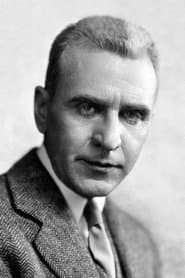
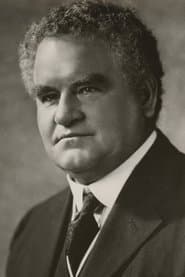
Director James Whale brought Frankenstein to the screen in 1931 with remarkable confidence for a still-young medium. The film wasn't adapted directly from Mary Shelley's 1818 novel, but rather from Peggy Webling's 1927 stage play, which itself was inspired by Shelley's work. John L. Balderston adapted Webling's play for the screen, while Garrett Fort and Francis Edward Faragoh wrote the screenplay—though uncredited contributions from Robert Florey and John Russell shaped the final product. Universal Pictures, riding high on the success of Dracula (released just months earlier), greenlit the project with Carl Laemmle Jr. producing.
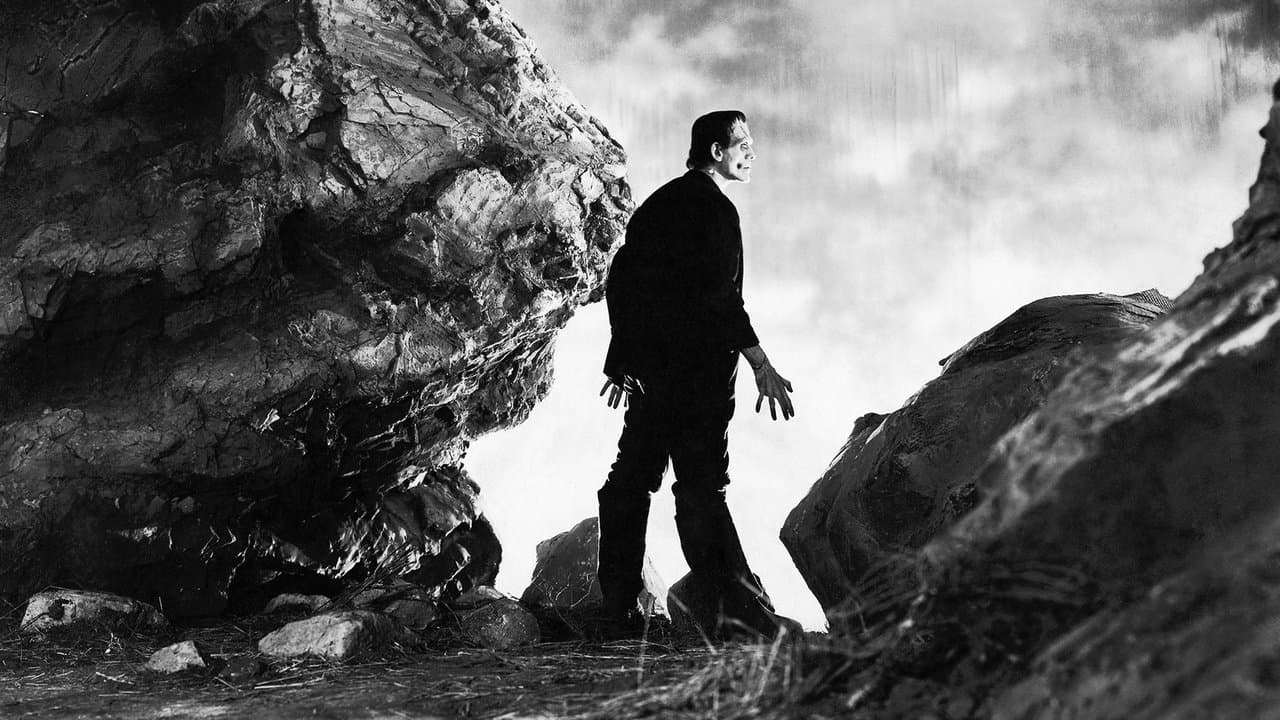
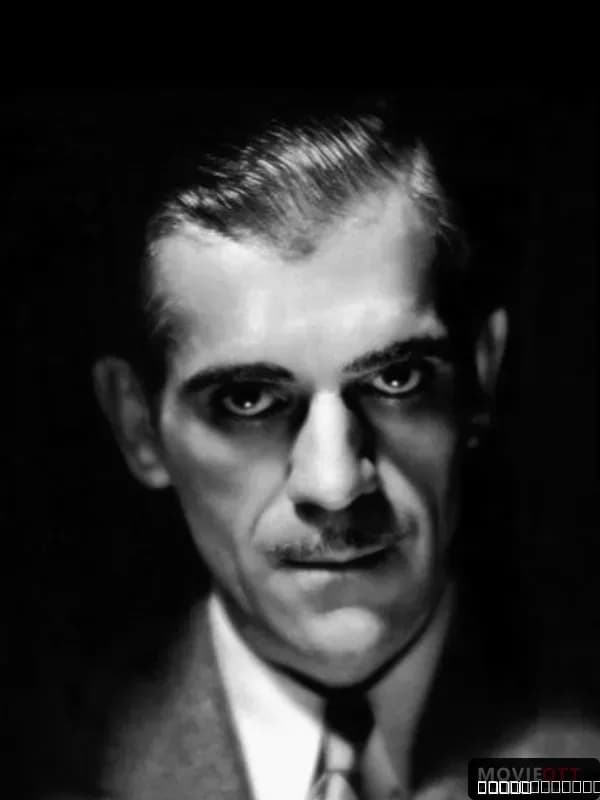
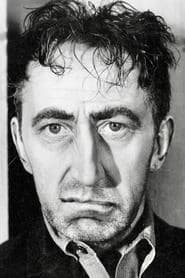
The casting of Boris Karloff as the creature was inspired. Karloff, then a journeyman character actor, became a star overnight through the role, delivering a performance that relied entirely on physicality and expression—the creature speaks barely a word. The film's technical achievements were stunning for 1931: Jack Pierce's makeup design created an iconic silhouette that remains recognizable today, and the cinematography by Arthur Edeson uses shadows and stark lighting to build dread. The picture ran just 70 minutes but felt substantial, complete. It was a pre-Code film, meaning it could take risks that later horror movies couldn't—there's a genuine darkness here that Hollywood would soon sanitize. Movie OTT tracks where you can currently stream this landmark title across major platforms.
What Makes Frankenstein Stand Out Nearly a Century Later
Honestly, what's most striking about rewatching Frankenstein today is how much the film trusts its audience. There's no exposition dump, no scientist explaining his methods in tedious detail. Whale cuts right to the obsession, the ambition, the hubris. And then—crucially—the film doesn't ask us to simply fear the monster. Instead, we watch him experience the world: his delight at fire, his confusion at rejection, his dawning awareness that he'll never be accepted. Karloff's performance, conveyed through gesture and sound alone, carries an emotional weight that many talkie actors of the era couldn't match.
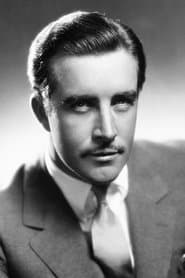
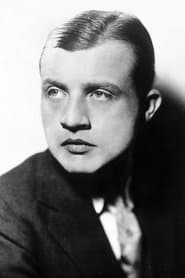
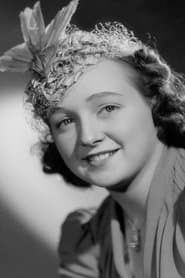
The supporting cast anchors the human drama too. Colin Clive's Frankenstein is genuinely unhinged, not a caricature of mad science but a man whose obsession has hollowed him out. Mae Clarke as his fiancée Elizabeth brings genuine pathos to her scenes—she's not just a prize to be won but a woman watching the man she loves disappear into delusion. What critics have noted across decades is that the creature's tragedy becomes the film's true subject. He didn't ask to be made. He didn't ask to be hideous. The rage that erupts isn't evil; it's despair. That thematic depth, combined with Whale's visual mastery—those lightning-filled laboratory sequences, the creature's first stumbling steps—is why Frankenstein endures when countless other 1930s horror films have faded to obscurity.
Where to Stream Frankenstein Online
Frankenstein is available on major OTT services, and you can check the Where to Watch widget at the top of this page to see which platforms currently carry it in your region. The film's public domain status in some territories means availability can vary, so it's worth checking movieott.com for the most up-to-date streaming options. Given the film's historical importance and its relatively short runtime, it's an ideal title to revisit or discover for the first time on a streaming service you likely already subscribe to.
Frequently asked questions
Q: Who directed Frankenstein?
James Whale directed the 1931 film, bringing his distinctive visual style and dark sensibility to the material. Whale would go on to direct several more Universal monster films, but Frankenstein remains his masterpiece.
Q: Is Frankenstein based on Mary Shelley's novel?
Yes, though not directly. The film adapts Peggy Webling's 1927 stage play, which itself was based on Shelley's 1818 novel Frankenstein; or, The Modern Prometheus. The screenplay takes creative liberties that differ from the source material.
Q: How long is the 1931 Frankenstein?
The film runs 70 minutes, making it lean and efficient by modern standards. Despite its brevity, it packs considerable emotional and visual impact.
Q: Does the creature speak in Frankenstein?
The creature speaks very little—only a few words. Boris Karloff's performance relies almost entirely on physical acting and expression, which is part of what makes it so powerful and haunting.
Q: What's the IMDb rating for Frankenstein?
The 1931 film holds a 7.468/10 rating on IMDb, reflecting its enduring reputation as a classic. Audiences continue to recognize its artistry and influence nearly a century after release.
Final Thoughts on Frankenstein
Frankenstein isn't just a horror film—it's a foundational text of cinema itself. Watching it today, you're seeing the moment when horror became an art form capable of genuine tragedy. The creature's suffering matters. His loneliness cuts deeper than any jump scare. If you haven't seen it, don't let the age fool you. This film still moves, still disturbs, still asks uncomfortable questions about responsibility and compassion. It's essential viewing for anyone who cares about how movies tell stories.