







The story of The Wool Cap
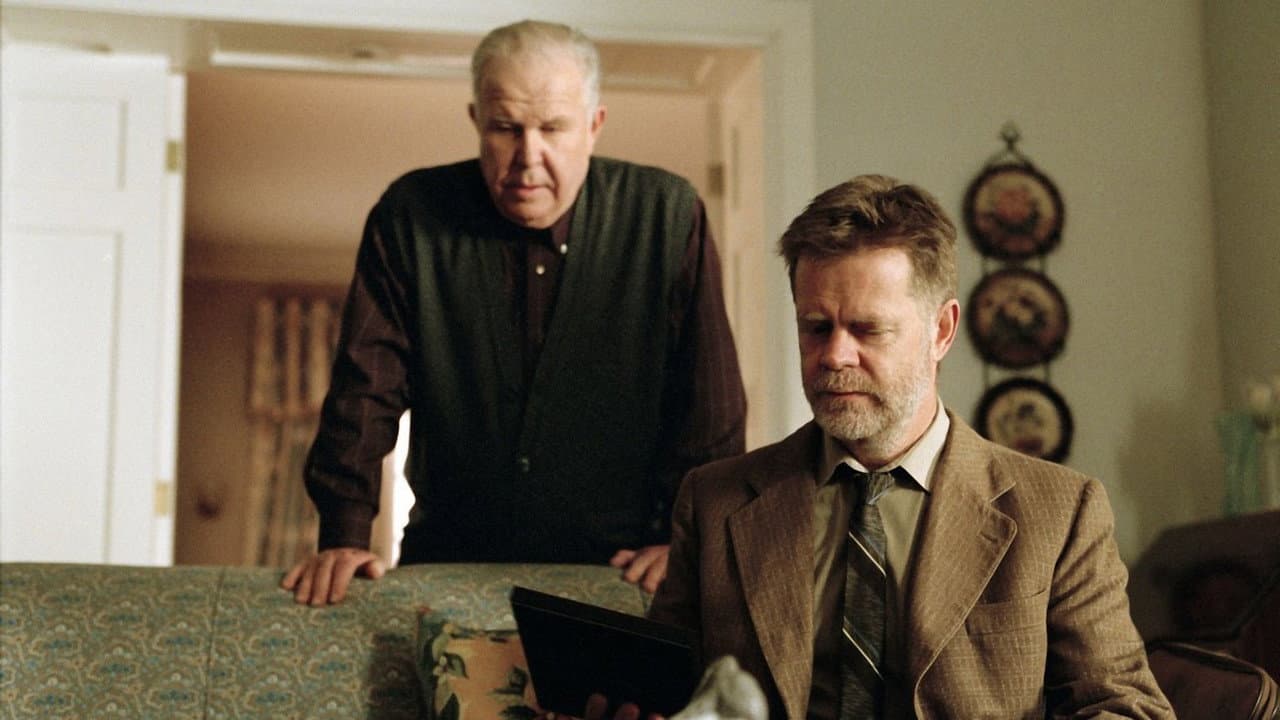
The Wool Cap tells the story of Charlie Gigot, a mute superintendent living in the basement of a crumbling New York City apartment building—the kind of place where the pipes rattle, the radiators clank, and nobody expects much from anyone. When a woman leaves her young daughter Lou in his care and never returns, Gigot finds himself thrust into an unfamiliar role: makeshift parent to a kid with attitude, sass, and all the emotional baggage of abandonment. It's a setup that could've been maudlin, but instead it becomes something quieter and more honest. The film follows their unlikely bond as they navigate a harsh winter together, struggling to survive while Gigot searches for someone—anyone—willing to take Lou off his hands. What starts as reluctant guardianship gradually transforms into something neither of them expected. The film doesn't shy away from hardship, but it refuses to wallow in it either.
Behind the making of The Wool Cap
Directed by Steven Schachter, who also co-wrote the teleplay alongside William H. Macy himself, The Wool Cap represents a deliberate update of Billy Wilder's 1962 film Gigot, the original story penned by Jackie Gleason. Rather than simply transplant the old narrative into modern dress, Schachter and Macy reimagined it for television—a medium that rewards intimate character work over spectacle. The production was mounted by Dog Pond Productions and 20th Century Fox Television, giving it the resources of a major studio while retaining the flexibility of a smaller, more focused project. At 103 minutes, it's structured more like a feature film than a typical TV movie, allowing scenes to breathe and relationships to deepen naturally. The cast centers on Macy, an actor whose expressive face and physical comedy make silence feel like a superpower rather than a limitation. His willingness to co-write the teleplay suggests a deep investment in getting the character right—not just playing a mute man, but understanding what silence actually means when you're trying to connect with another human being. The film landed a respectable 6.55 rating on IMDb, reflecting a modest but genuine appreciation among viewers who found its emotional sincerity refreshing.
What makes The Wool Cap resonate with viewers
What's striking is how the film resists easy sentiment. Macy doesn't play Gigot as a saint or a savior figure—he's flawed, sometimes impatient, occasionally drunk, struggling with his own demons while trying to care for a child he never asked for. That tension is the whole film, really. The thing nobody mentions is that a movie about a mute character could've been gimmicky, but Schachter uses silence as a tool for empathy. You can't hide behind words, can't deflect with charm or clever dialogue. Everything Gigot feels has to show up in his body, his choices, the way he looks at Lou when she's pushing his buttons. And Lou—the young girl at the center—isn't written as a tragic waif. She's difficult. She's angry. She's real in a way that makes her vulnerability hit harder when it finally breaks through. The relationship unfolds without the usual Hollywood shortcuts. There's no big dramatic confession scene where everything gets resolved. Instead, there's a monkey (yes, Gigot's pet monkey factors into the story), there's winter, there's the grinding reality of poverty and the small kindnesses that matter more than grand gestures. It's the kind of film that doesn't announce itself as important but settles into your chest anyway—the sort of thing you might stumble across while browsing Movie OTT and decide to give a chance, then find yourself thinking about days later.
Where to stream The Wool Cap online
The Wool Cap is available on major OTT services, and you can check the Where to Watch widget at the top of this page for current availability in your region. Streaming rights shift regularly, so what's available today might change next month—that's where Movie OTT's real-time tracking comes in handy, saving you the frustration of hunting through five different apps only to find the title you want isn't there. Since this is a 2004 TV movie rather than a theatrical release, it tends to have broader streaming distribution than some prestige films, making it easier to access than you might expect. Whether you're subscribing to a major platform or have access through a cable provider's streaming service, there's a decent chance The Wool Cap is already within reach.
Frequently asked questions
Q: Is The Wool Cap based on a true story?
No, but it's based on an earlier film. The Wool Cap is an updated, Americanized remake of the 1962 movie Gigot starring Jackie Gleason, who wrote the original story. The core premise—a mute man becoming guardian to an abandoned child—remains the same, but the setting and context have been modernized.
Q: Who directed The Wool Cap?
Steven Schachter directed the film and co-wrote the teleplay with William H. Macy. Schachter's background in television gave him the experience to work in that medium while maintaining the emotional depth of a feature film.
Q: Why is William H. Macy's character mute?
Charlie Gigot's muteness is central to the character—it forces both him and the audience to communicate through body language, expression, and action rather than dialogue. This makes his emotional journey more visceral and his eventual connection with Lou more meaningful.
Q: How long is The Wool Cap?
The film runs 103 minutes, giving it more breathing room than a typical TV movie. This length allows the relationship between Gigot and Lou to develop gradually and authentically.
Q: What's the tone of The Wool Cap?
It's a drama with comedic elements, balancing humor with genuine pathos. The film doesn't shy away from hardship, but it also finds moments of lightness and unexpected joy in the relationship between its two main characters.
Final thoughts on The Wool Cap
The Wool Cap isn't a film that demands your attention or announces its own importance—it's quiet, unassuming, the kind of movie that sneaks up on you. If you're looking for something with big dramatic set pieces or plot twists, this isn't it. But if you want to watch two people slowly learn to trust each other, if you appreciate performances built on subtlety rather than volume, if you're tired of sentimentality masquerading as emotion, then this 2004 TV drama deserves your time. It's the sort of film that reminds you why character-driven storytelling matters, why sometimes the smallest moments carry the most weight.