





The story of Three: Two friends, one woman, and the fracture between them
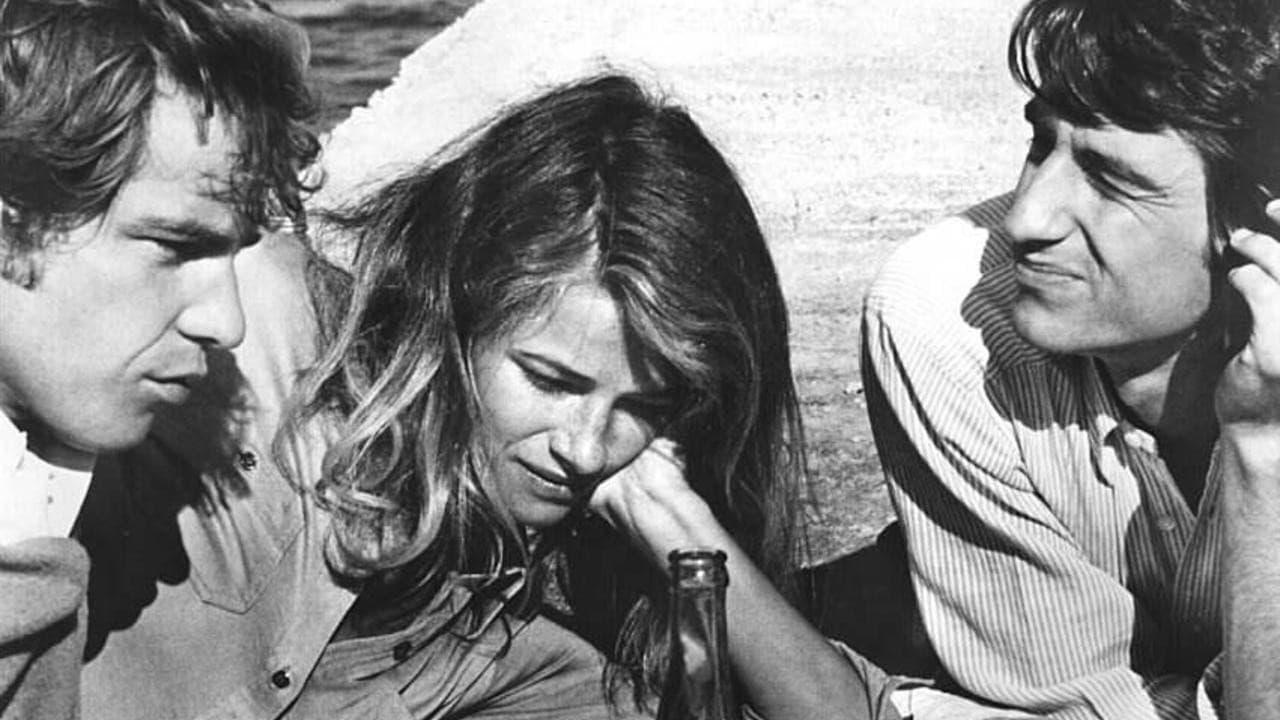
Three opens on a deceptively simple premise: two college friends are traveling through Europe together when they both fall for the same woman. It's the kind of setup that could spiral into melodrama in less careful hands. But what director and writer James Salter builds instead is something quieter and far more unsettling—a film about how desire doesn't announce itself with fanfare, how jealousy creeps in sideways, and how the bonds we take for granted can crack under the weight of attraction. The mysterious woman at the center of their attention isn't a prize to be won so much as a catalyst, a figure who reflects each man's insecurities back at him. Salter never lets us forget that we're watching three separate people with three separate needs colliding in the same frame.
Behind the making of Three: Salter's directorial debut and its cast
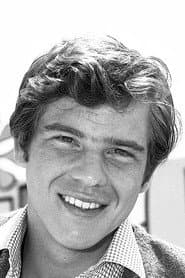
Three marked James Salter's directorial debut—a significant moment for a writer already known for his literary work. Salter, who'd made his name in fiction and journalism, brought that same precision to the camera, crafting a film that feels more like a novel than a conventional drama. The cast assembled around this vision included Charlotte Rampling, whose cool, enigmatic presence became a hallmark of European cinema in the late 1960s; Sam Waterston, then building his reputation as a serious dramatic actor; and Robie Porter. The film was produced by Obelisk and released by United Artists on December 23, 1969—a crowded year for cinema, which might explain why Three hasn't achieved the canonical status of its contemporaries. Runtime clocks in at 104 minutes, though it often feels longer in the best possible way, the kind of film where time stretches and settles into your bones. The IMDb rating of 5.182/10 reflects a mixed critical reception, though such aggregate scores rarely capture what makes a film like this worth revisiting.
What makes Three stand out: Restraint, ambiguity, and the performances that anchor it
Here's what's striking about Three: it refuses to tell you what to feel. There's no swelling score to telegraph emotion, no convenient monologue explaining the characters' motivations. Instead, Salter trusts his actors to convey everything through glances, silences, the way a hand hesitates before touching. Rampling, in particular, brings a kind of magnetic uncertainty to her role—you're never quite sure what she's thinking or feeling, which makes her devastatingly real. The two male leads circle around her like planets with uncertain orbits, each convinced they understand her better than the other, each fundamentally mistaken. What's remarkable is how the film never really picks a side; it doesn't ask us to root for one friend over the other or to judge the woman for her role in their unraveling. Instead, it presents a situation where everyone's reasonable, everyone's sympathetic, and everyone's going to get hurt anyway. That's not the stuff of conventional drama—that's life, messy and unresolved.
The performances work because they're understated. Waterston carries a quiet desperation, the sense of a man watching something slip away before he's fully grasped what it was. Porter brings a different energy—something more brittle, more defensive. And Rampling? She's a mirror. The film's tagline promises ambiguity right from the start: "...but at the same time?" That question mark isn't rhetorical. It's the entire film.
Where to stream Three online
Three is currently available on major OTT services. The specific platforms carrying this 1969 drama shift periodically, so the best way to check current availability is through the Where to Watch widget at the top of this page on Movie OTT, which tracks streaming rights across all major services in real time. Whether you're browsing Netflix, Prime Video, or other platforms, Movie OTT keeps the availability information current so you don't waste time hunting. Given the film's relatively obscure status, availability can be spotty, so if you see it listed somewhere, it's worth catching it while you can.
Frequently asked questions
Q: Who directed Three?
James Salter wrote and directed Three as his feature directorial debut. Salter was already an accomplished novelist and journalist when he turned to filmmaking, bringing a literary sensibility to the project that distinguishes it from more conventional dramas of the era.
Q: Who stars in Three?
The film features Charlotte Rampling in the central role, alongside Sam Waterston and Robie Porter as the two male leads. Rampling's cool, enigmatic screen presence became iconic during this period of European cinema, and her performance here remains one of the film's greatest assets.
Q: Is Three based on a true story?
Three is not based on a true story. It's an original drama written by director James Salter, exploring themes of desire, rivalry, and the fragility of friendship through a fictional narrative set in Europe.
Q: How long is Three?
The film runs 104 minutes. Despite its modest runtime, it often feels expansive because Salter's pacing is deliberate and unhurried, allowing scenes to breathe and characters' internal states to register through subtle performance rather than exposition.
Q: What's the tagline of Three?
The official tagline is "...but at the same time?"—a question that captures the film's central tension: the impossibility of two people wanting the same thing simultaneously, and the emotional wreckage that follows.
Final thoughts on Three: A film for patient viewers
Three isn't a crowd-pleaser, and it doesn't pretend to be. It's a film that asks you to sit with ambiguity, to accept that not everything gets resolved, that sometimes the best intentions lead to the worst outcomes. If you're the kind of viewer who appreciates slow cinema, who doesn't need every question answered, who can find drama in a lingering look or a conversation that circles around what's really being said—then Three is for you. It's a small, strange, beautiful film that deserves more attention than it gets.