







The Story of Tomie: Unlimited
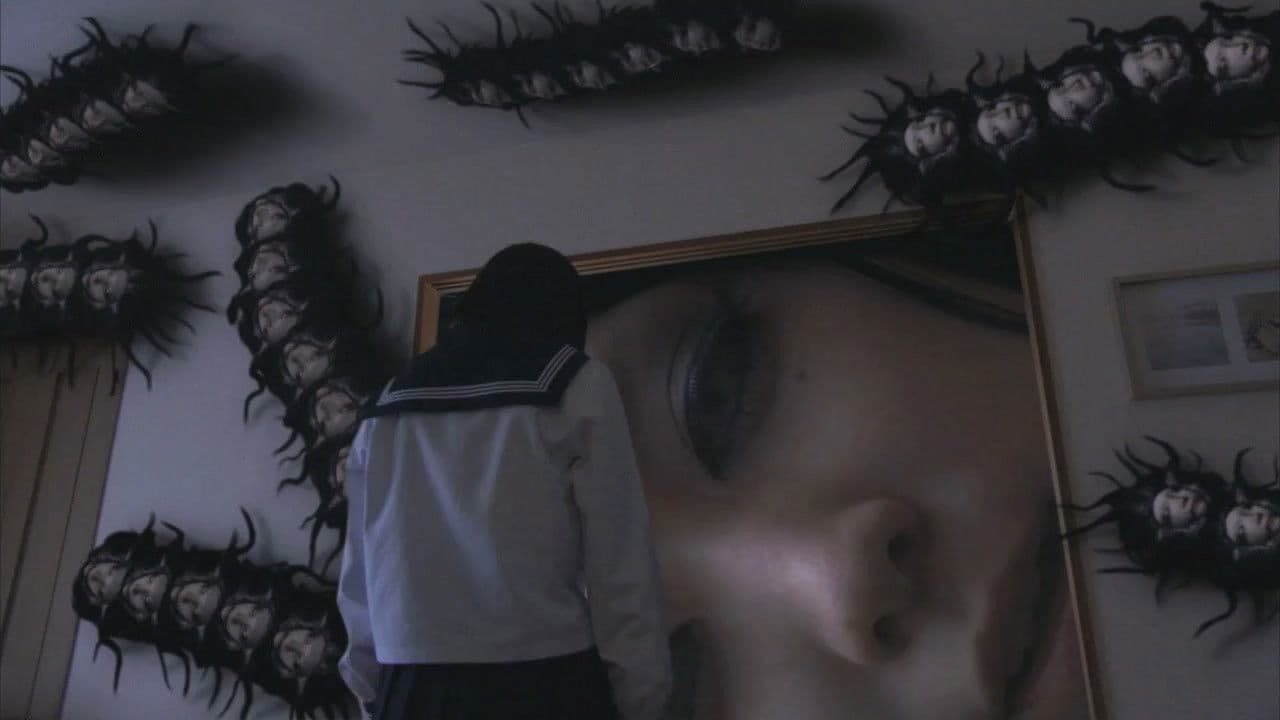
Tomie: Unlimited opens on a quiet domestic horror—the kind that festers in the space between siblings. Tsukiko attends school like any other teenager, but she's always lived in the shadow of her sister Tomie, a girl who seems to have everything: beauty, charm, an endless stream of male admirers. Then comes the accident. Tomie dies in a way that's both sudden and devastating, leaving Tsukiko alone with a year of nightmares and the guilt that comes with being the less-loved sister. But here's the thing: on what would've been Tomie's eighteenth birthday, someone knocks on the door. And Tomie is standing there, alive, unchanged, impossible. What follows isn't a simple reunion—it's a descent into something far stranger, a tale where the line between the supernatural and the psychological blurs until you can't tell which is which.
Behind the Making of Tomie: Unlimited
Tomie: Unlimited arrived in 2011 as the eighth installment in the Tomie film series, a franchise that stretches back decades in Japanese horror cinema. Director Noboru Iguchi took the helm for what was essentially a reboot, drawing inspiration from multiple manga chapters—Photograph, Kiss, and Mansion among them—to construct a fresh narrative that honored the source material while charting new territory. The film was produced by a coalition of Japanese studios: Toei Video Company, Travis, CJ Entertainment, and T-JOY, a lineup that reflects the project's ambitions to reach both domestic and regional audiences. With an 85-minute runtime, Iguchi crafted something lean and focused, avoiding the bloat that sometimes plagues horror sequels. The cast brought credibility to what could've been a disposable reboot; these weren't unknowns phoning it in. What's striking is how the production design captures that distinctly Japanese aesthetic—the school hallways, the family home, the ordinary spaces where the extraordinary intrudes—without relying on jump scares alone. Movie OTT tracks films like this across multiple streaming platforms, making it easier to discover how international horror cinema continues to evolve beyond Western franchises.
What Makes Tomie: Unlimited Stand Out
The film's strength lies in its willingness to sit with discomfort rather than rush toward resolution. Iguchi understands that the real horror isn't just Tomie's return—it's what her return means for Tsukiko's sanity, her family's stability, and the viewer's sense of what's even possible within the film's logic. The tagline, "Exist everywhere. Extend everywhere," hints at something genuinely unsettling: this isn't a ghost story in the traditional sense. Tomie doesn't fade or follow ghost-story rules. She persists. She multiplies. She's a supernatural being that defies the boundaries we expect horror to respect. What I keep coming back to is how the film uses photography as a motif—Tsukiko's hobby becomes a way to document the impossible, to prove what's happening, yet the camera itself becomes unreliable. The performances anchor the psychological tension; there's a claustrophobia in how the two sisters interact, a sense that neither can fully trust what they're seeing or feeling. Critics on Movie OTT's editorial platform have noted that the film's IMDb rating of 4.6/10 likely reflects a divide between hardcore franchise fans who appreciated the reboot's ambition and casual viewers expecting a more straightforward horror experience. That disconnect itself is worth examining—sometimes a film's "failure" tells us more about what audiences want than a consensus success ever could.
Where to Stream Tomie: Unlimited Online
Tomie: Unlimited is currently available on major OTT services, and if you're hunting for where to watch it, the Where to Watch widget at the top of this page will show you every platform carrying it right now. Streaming availability shifts constantly—a title might vanish from one service and reappear on another within weeks—so checking that widget before you hit play saves you the frustration of dead ends. For those tracking down obscure or cult horror films, Movie OTT's aggregation makes it simple to see your options without bouncing between five different apps. Whether it's on a subscription tier you already pay for or available for rental, you'll know instantly.
Frequently Asked Questions
Q: Is Tomie: Unlimited based on manga or a true story?
The film is based on the Tomie manga series by Junji Ito, drawing from specific chapters like "Photograph," "Kiss," and "Mansion." It's not based on a true story, but rather reimagines existing source material as a reboot of the film franchise.
Q: Who directed Tomie: Unlimited?
Noboru Iguchi directed the film. He brought a fresh vision to the eighth installment of the Tomie series while staying rooted in the manga's psychological and body-horror elements.
Q: How long is Tomie: Unlimited?
The film runs 85 minutes, making it a relatively lean entry in the horror genre that doesn't overstay its welcome.
Q: What year was Tomie: Unlimited released?
Tomie: Unlimited premiered in 2011 as a reboot of the long-running Tomie film franchise.
Q: Why is Tomie: Unlimited rated so low on IMDb?
The 4.6/10 rating likely reflects a split audience—franchise devotees appreciated the reboot's ambition and psychological depth, while viewers expecting conventional horror found it unsettling in ways that didn't land for them. Genre films often polarize ratings this way.
Final Thoughts on Tomie: Unlimited
Tomie: Unlimited won't be for everyone. The film sits in that uncomfortable space where psychological horror meets body horror, where family trauma bleeds into supernatural terror. It's a reboot that doesn't apologize for being strange or slow-burning, and that's exactly why it deserves a second look. If you're tired of jump-scare horror and want something that lingers—something that makes you question what you're seeing—this is worth your time. Don't expect clean answers. The film doesn't offer them.