




The Story of Postcard: A War's Unfinished Business
Postcard opens during the waning months of World War II, when a middle-aged soldier named Keita receives something impossibly ordinary yet deeply significant—a postcard from a comrade who's certain he won't survive the coming battles. After the war ends, Keita carries out this final request, tracking down the comrade's widow, Yuko, to deliver the message. What unfolds isn't a cathartic reunion or a moment of closure. Instead, Keita becomes a reluctant witness to Yuko's life in the years following her husband's death—a existence hollowed out by grief, poverty, and the relentless indifference of a nation trying desperately to move forward. The film doesn't rush toward dramatic confrontation. It sits with these characters, watching how they navigate a world that seems to have forgotten them entirely.
Behind the Making of Postcard: Shindō's Final Statement
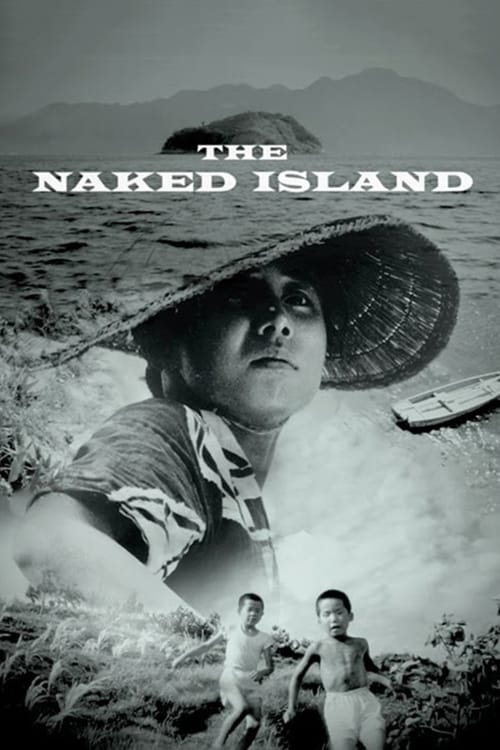
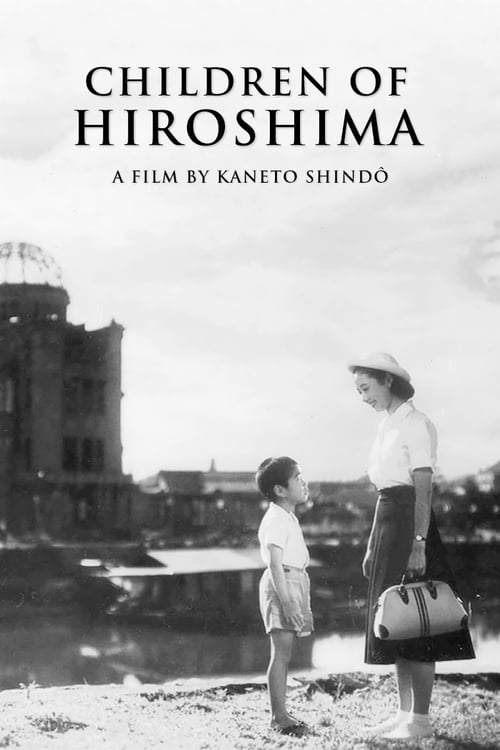
Postcard represents something rare in cinema: a master filmmaker's last work, and one that carries the weight of lived experience. Director Kaneto Shindō, who would pass away just two years after the film's release in 2012 at the age of 100, drew directly from his own wartime experiences to craft this narrative. The film was selected as Japan's official entry for Best Foreign Language Film at the 84th Academy Awards, though it ultimately didn't secure a nomination—a snub that speaks more to the Academy's taste than to the film's merit. Produced by Kindai Eiga Kyokai, Postcard runs 114 minutes, giving Shindō space to develop his characters with the patience of someone who knows time is precious. The production team understood they were working with a filmmaker operating from hard-won wisdom, someone who'd spent decades examining how war echoes through generations. There's no box-office blockbuster energy here—this is cinema built on moral conviction rather than commercial calculation.
What Makes Postcard Stand Out: Grief Without Sentimentality
What's striking about Postcard is how resolutely it refuses easy emotion. You won't find swelling strings or dramatic revelations. Instead, Shindō constructs his film from small, devastating moments—a glance held too long, a conversation that circles back to the same wound, the way Yuko's life has been reduced to waiting and endurance. The performances carry an almost documentary-like authenticity; the actors seem less like they're playing roles and more like they're simply existing within this particular tragedy. I keep coming back to how the film treats its central device—the postcard itself—not as a plot mechanism but as a symbol of all the words that can never be spoken, all the futures that were erased. The Shōwa era setting (1926-1989) grounds the story in a specific historical moment when Japan was grappling with its defeat and rebuilding, but the film's emotional landscape feels timeless. What makes Postcard resonate isn't nostalgia or spectacle. It's the unflinching recognition that some damage can't be repaired, only carried. The cinematography captures this through muted colors and compositions that often leave characters isolated within the frame—a visual language that speaks to disconnection and loss without ever becoming heavy-handed.
Where to Stream Postcard Online
Postcard is currently available on major OTT services, and Movie OTT tracks its exact availability across all platforms in real time. Rather than hunting through multiple apps wondering whether a title is still in rotation, you can check the "Where to Watch" widget at the top of this page to see which streaming service has Postcard available in your region right now. Availability does shift seasonally and by geography, so what's streaming today might not be tomorrow—but that's why having a reliable aggregator matters. Movie OTT updates its platform data continuously, so you won't waste time searching only to find the film has rotated off. The 114-minute runtime makes it a manageable single-sitting experience, though you'll want to be in the right headspace for something this contemplative.
Frequently asked questions
Q: Who directed Postcard and why is this film significant?
Kaneto Shindō directed Postcard; it was his final film before his death in 2012 at age 100. Shindō drew from his own wartime experiences to craft this meditation on how war devastates not just soldiers but their families. The film was selected as Japan's official entry for Best Foreign Language Film at the 84th Academy Awards.
Q: Is Postcard based on a true story?
While not a direct adaptation, Postcard is loosely based on Shindō's own experiences during World War II. The film uses a fictional narrative—centered on a soldier delivering a comrade's final postcard—to explore the real emotional and social aftermath of war in postwar Japan.
Q: What is Postcard's runtime and rating?
Postcard runs 114 minutes and holds an IMDb rating of 5.75/10. It's classified as a War, Drama, and Romance film, though "romance" here refers to the emotional bonds between characters rather than traditional romantic storylines.
Q: What themes does Postcard explore?
The film examines suicide, grief, loss, and the disheartening reality of life after war. It's set during the Shōwa era and focuses on how one soldier's promise to deliver a postcard becomes a gateway into understanding the tragic trajectory of a widow's existence.
Q: Where can I watch Postcard right now?
Check the "Where to Watch" widget at the top of this page for current streaming availability. Movie OTT keeps real-time data on which platforms carry Postcard in your region.
Final Thoughts on Postcard
Postcard won't satisfy anyone looking for conventional narrative payoff or emotional catharsis. But for viewers willing to sit with ambiguity and sorrow—to watch a film that trusts silence as much as dialogue—this is essential viewing. Shindō's final film is a quiet masterpiece about how promises made in wartime echo through decades, how one small act of remembrance becomes an act of witness. It's cinema that understands grief doesn't resolve; it just becomes part of how we move through the world.