



The story of Wall Street: Money Never Sleeps
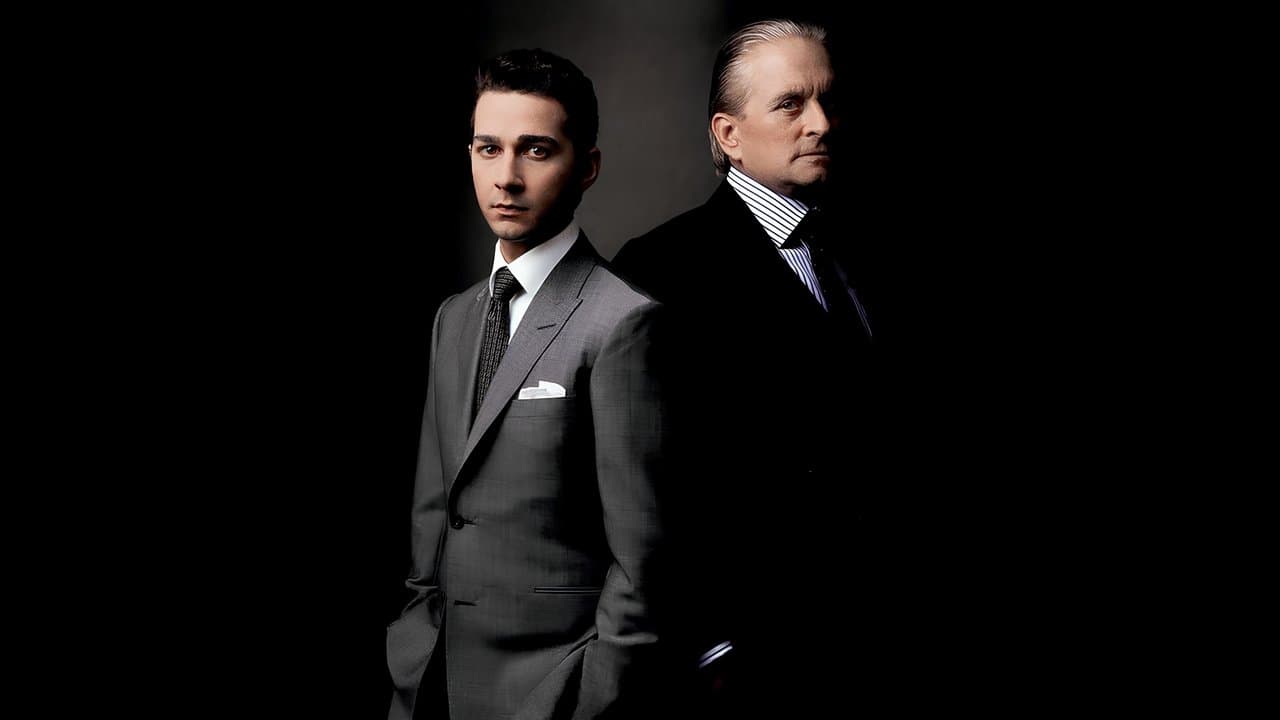
Wall Street: Money Never Sleeps picks up roughly two decades after the events of the original film, dropping us into a world reeling from the 2008 financial crisis. A young, ambitious trader named Jake Moore finds himself at the center of a collision between past and present when he partners with the newly released Gordon Gekko—the disgraced corporate raider played by Michael Douglas—to pursue a dual mission. Jake wants to warn the financial community about impending economic doom, but he's also hunting for the truth behind his mentor's death, a mystery that leads him directly back to Gekko. It's a premise that feels both personal and urgent, grounding the film's larger economic themes in genuine emotional stakes. The story works best when it's juggling these two threads: the detective work of uncovering corporate malfeasance and the morally gray dance between the two men as they try to use each other for their own ends.
Behind the making of Wall Street: Money Never Sleeps
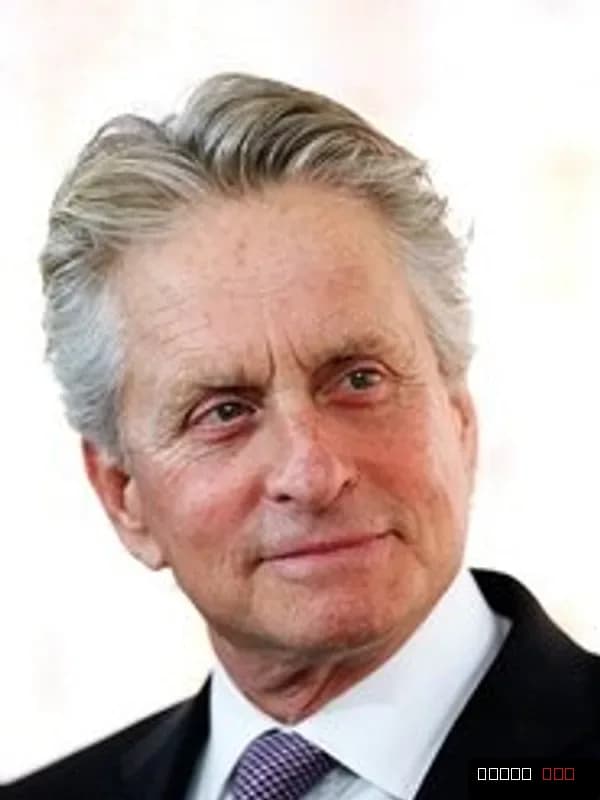
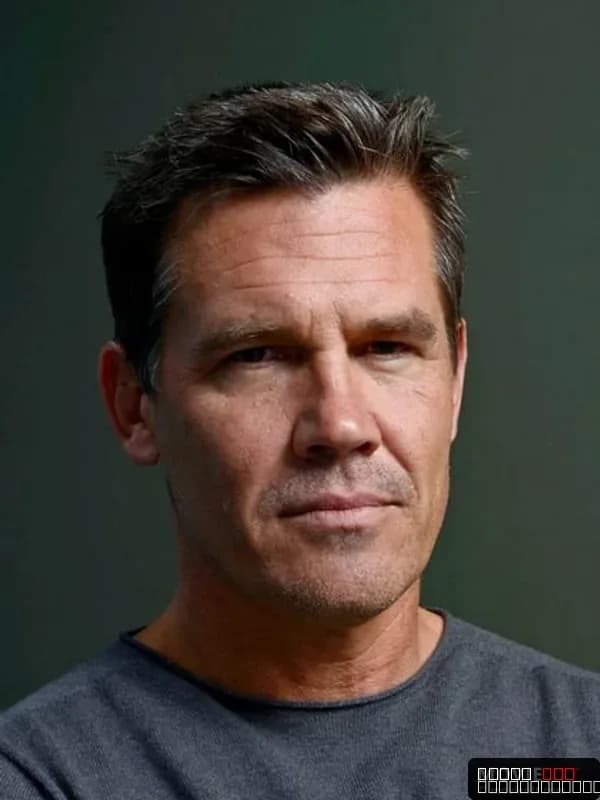
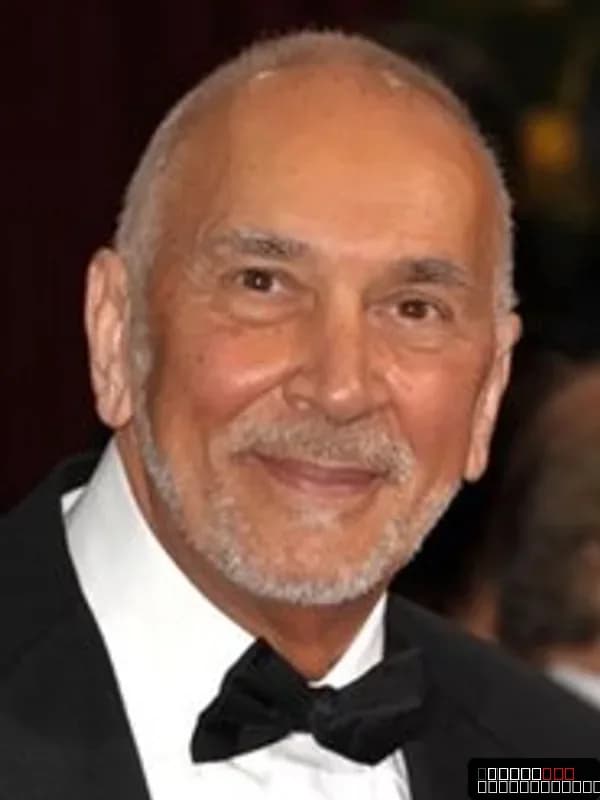
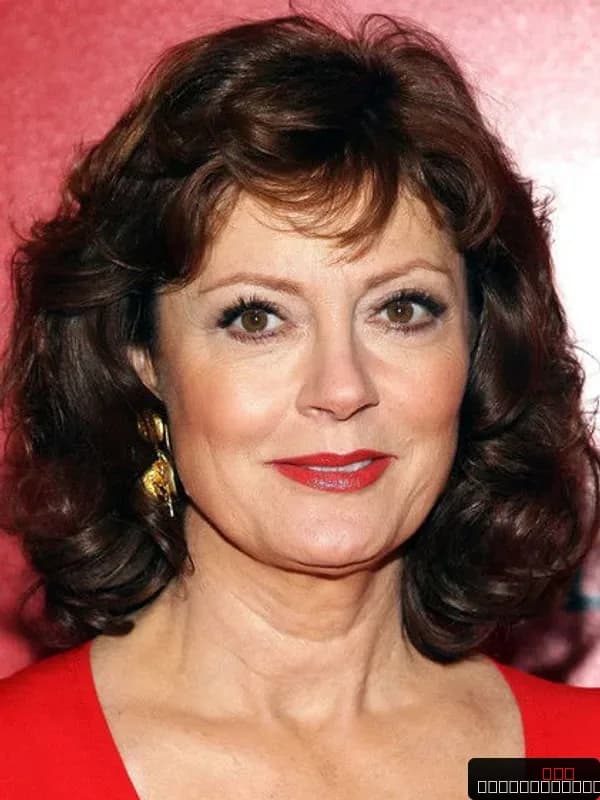
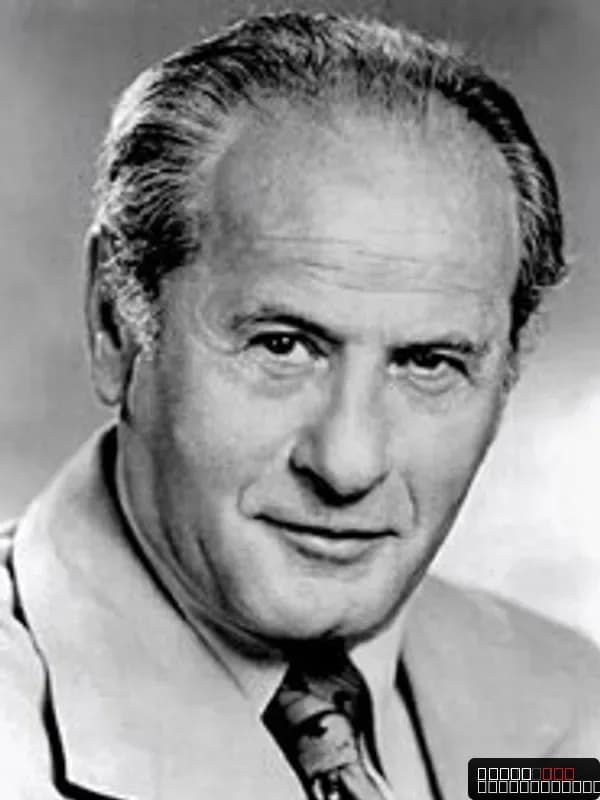
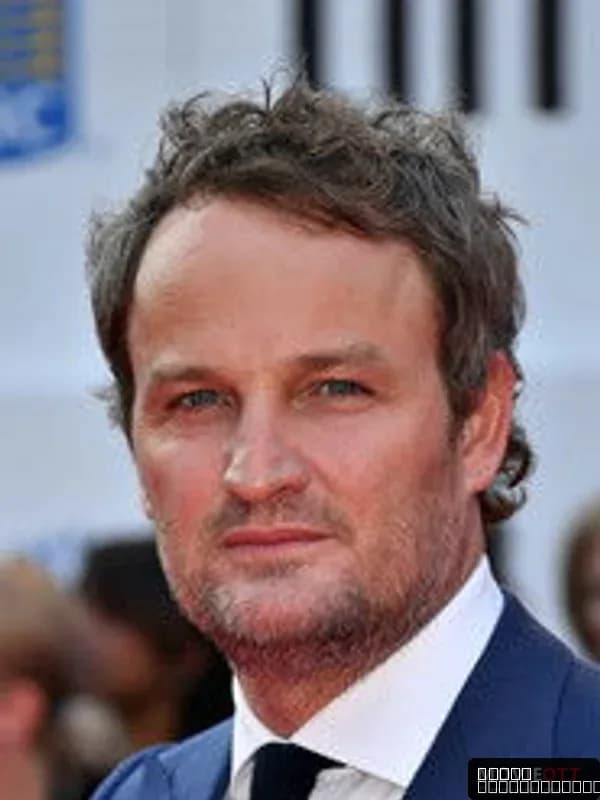
Oliver Stone directed this 2010 sequel himself, returning to the franchise he'd created in 1987 with the original Wall Street. The decision to make a sequel at all was controversial—and looking at the reviews, you can see why some viewers questioned whether lightning could strike twice. The cast Stone assembled was genuinely impressive: Michael Douglas obviously anchors the film as Gekko, but he's surrounded by Shia LaBeouf as Jake, Josh Brolin as the antagonist Bretton James, Carey Mulligan as Gekko's estranged daughter Winnie, and veteran character actors like Frank Langella, Susan Sarandon, and Eli Wallach in supporting roles. The 133-minute runtime gives Stone room to breathe, though some critics felt the pacing sagged in the middle—a common complaint about the director's more ambitious works. The film was produced by Pressman Film and Dune Entertainment, with 20th Century Fox handling distribution. While it didn't achieve the cultural impact of the original, it arrived at precisely the right moment, capitalizing on public anger about the financial sector in the wake of the NINJA mortgage crisis and the Great Recession.
What makes Wall Street: Money Never Sleeps stand out
What's striking about this film is how earnestly it tries to grapple with genuine economic anger without ever quite becoming preachy. Michael Douglas slips back into Gekko's skin like he never left—the performance has a serpentine charm that makes you understand why people fall under his spell, even when you know better. Shia LaBeouf brings youthful hunger to Jake, though the chemistry between the two leads is uneven; sometimes they crackle, sometimes they feel like they're in different movies altogether. The film's real power lies in its willingness to suggest that nothing has fundamentally changed in the two decades since the first film—the greed, the corruption, the way the system perpetuates itself. It's a bleak thesis, and Stone doesn't shy away from it. That said, the movie doesn't quite have the raw, cutting-edge ferocity of the 1987 original. Audience reviews tend to acknowledge this gap—the film is "satisfactory" but not transcendent, smart about its subject matter but reliant on star power in a way the original wasn't. The editing sometimes feels loose, and there's a fan-service quality to certain moments (particularly when Gekko resurfaces) that undercuts the dramatic tension. But if you're willing to accept it as a companion piece rather than an equal, there's substance here worth engaging with.
How to stream Wall Street: Money Never Sleeps online
Wall Street: Money Never Sleeps is available across major OTT services, making it easy to access whether you're a longtime fan of the franchise or a curious newcomer. Rather than hunting across multiple platforms, Movie OTT tracks current streaming availability in real time, so you can see exactly where the film is playing right now—whether that's Netflix, Prime Video, or other major platforms. The "Where to Watch" widget at the top of this page shows you all the services currently carrying the title, updated daily. Since streaming rights shift frequently, checking Movie OTT before you hit play saves you the frustration of searching only to find the title's moved. The 133-minute runtime makes it a solid evening watch, and the financial-thriller subject matter tends to hold up well on repeat viewings once you know where the plot's heading.
Frequently asked questions
Q: Is Wall Street: Money Never Sleeps a sequel to the original Wall Street?
Yes, it's a direct sequel to Oliver Stone's 1987 film Wall Street. The new film takes place roughly 20 years later and brings back Michael Douglas as Gordon Gekko, though it tells a largely new story centered on a younger generation of traders.
Q: Who directed Wall Street: Money Never Sleeps?
Oliver Stone directed the film. He also helmed the original 1987 Wall Street, making him the creative continuity between the two movies.
Q: What is Wall Street: Money Never Sleeps about?
The film follows a young trader named Jake Moore who partners with the recently released Gordon Gekko to investigate the death of Jake's mentor while also trying to warn the financial community about an impending economic crisis. It's set against the backdrop of the 2008 financial collapse.
Q: How long is Wall Street: Money Never Sleeps?
The film runs 133 minutes (2 hours and 13 minutes), giving Stone plenty of room to develop both the plot and the relationship between his two lead characters.
Q: Does Wall Street: Money Never Sleeps have the same cast as the original?
Michael Douglas returns as Gordon Gekko, but the rest of the cast is different. Shia LaBeouf plays the lead role, with Josh Brolin, Carey Mulligan, Frank Langella, Susan Sarandon, and Eli Wallach in key supporting parts.
Final thoughts on Wall Street: Money Never Sleeps
Wall Street: Money Never Sleeps isn't the film the original was—but that's almost beside the point. What matters is whether it works on its own terms, and mostly it does. It's a smart, timely thriller about greed and complicity that doesn't pretend the world's gotten better in two decades. Michael Douglas is magnetic, the economic commentary lands harder because of the 2008 context, and there's real dramatic tension in watching Jake navigate his relationship with Gekko. You won't mistake it for a masterpiece, but it's a solid, entertaining piece of filmmaking that respects both its audience and its subject matter. If you're looking for something to stream tonight that'll make you think a little while keeping you engaged, this one's worth your time.