


The story of Nixon's rise and ruin across three decades
Oliver Stone's Nixon (1995) isn't your typical biopic. Rather than a straightforward chronological march through a presidency, Stone weaves together Nixon's troubled boyhood in California, his political ascent, his triumphant election victory, and ultimately the shocking Watergate scandal that forced him from office. The film spans decades, moving between past and present, between public triumph and private torment. What emerges is a portrait of a man carrying the fate of the world on his shoulders while battling the self-destructive demands from within—a paradox that Stone refuses to resolve neatly. You're watching someone simultaneously brilliant and broken, capable of historic diplomatic achievement yet undone by his own demons.
Behind the making of Nixon and Anthony Hopkins' career-defining performance
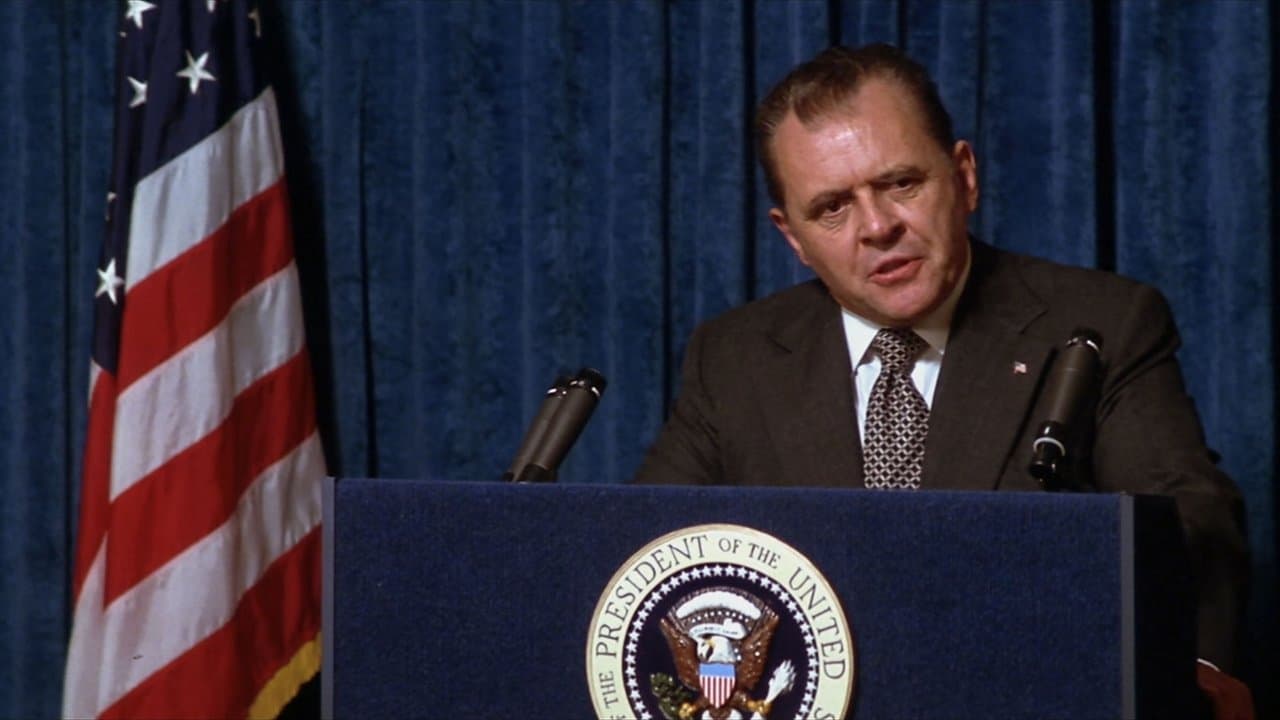
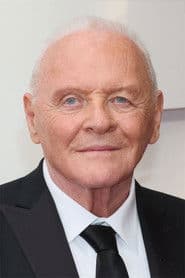
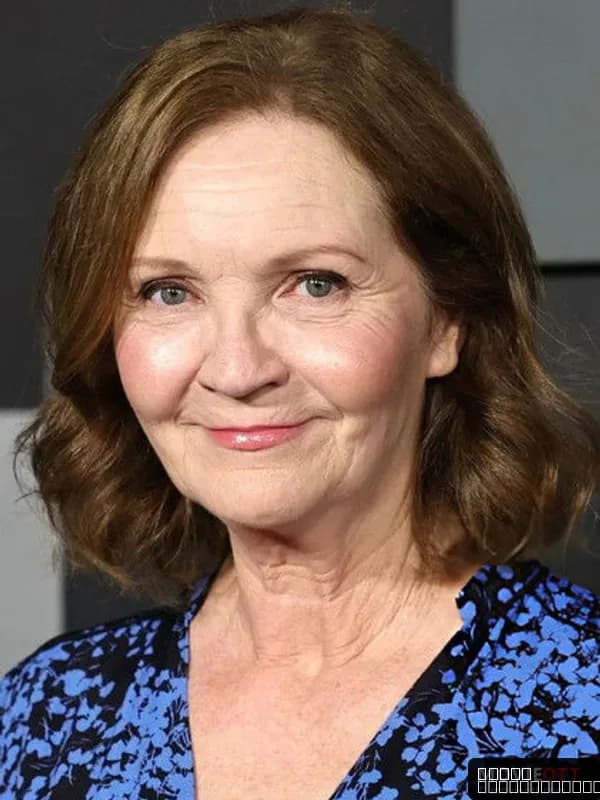
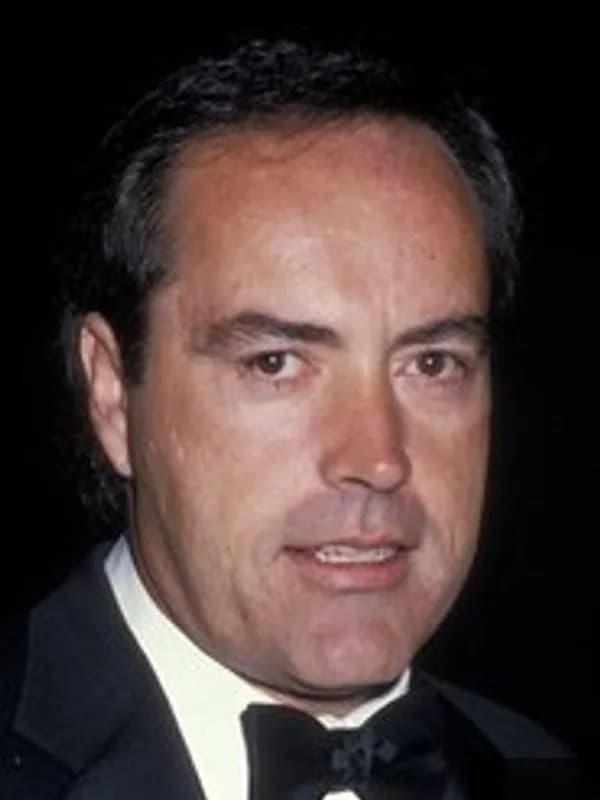
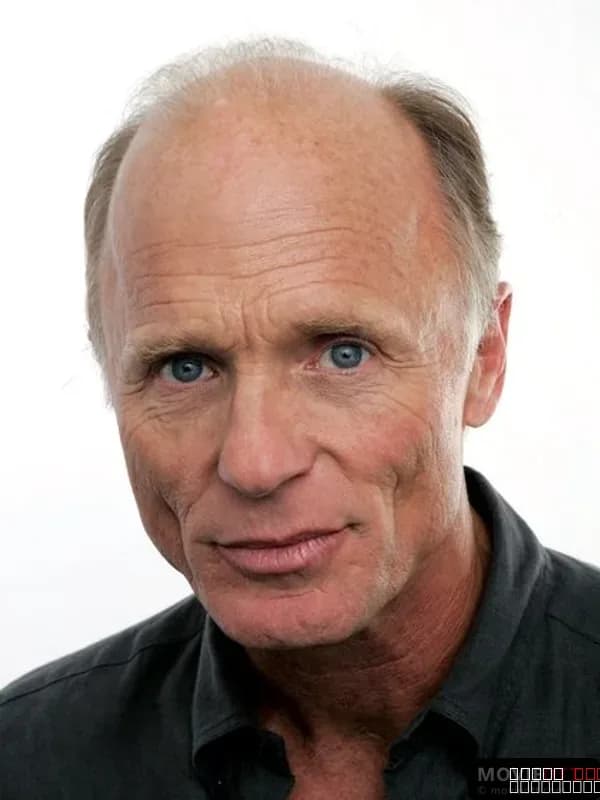
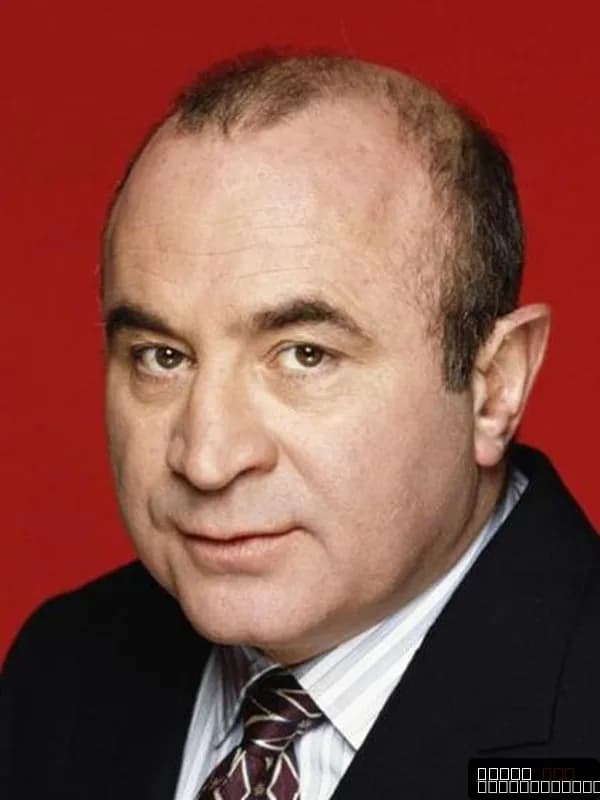
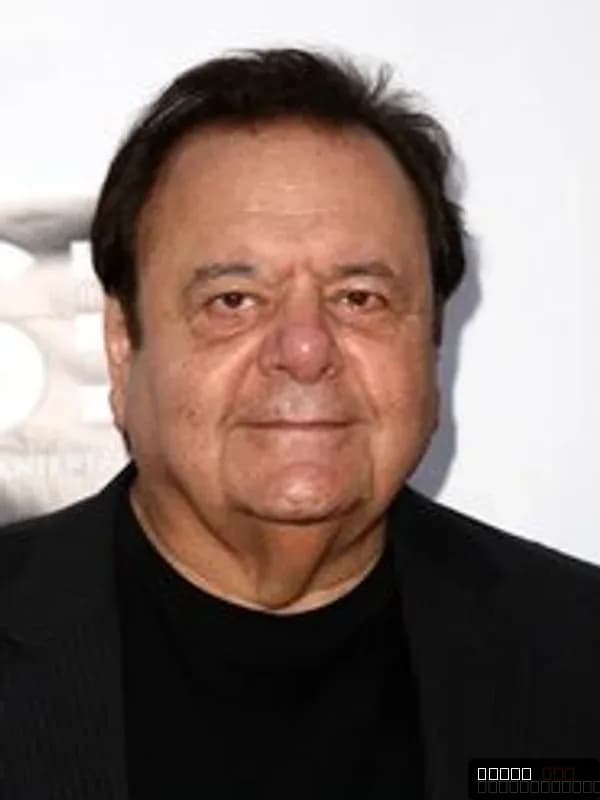
Nixon arrived in 1995 as a major studio undertaking from Cinergi Pictures and Hollywood Pictures, with Stone himself producing alongside Clayton Townsend and Andrew G. Vajna. The film clocks in at 192 minutes—a sprawling, ambitious runtime that Stone uses to build psychological depth rather than rush through plot points. Anthony Hopkins, cast in the lead role, was already an Oscar winner by this point, but Nixon stands as one of his most physically and vocally committed performances. Hopkins doesn't just play Nixon; he inhabits the man's hunched posture, his clipped cadence, his nervous hand gestures. What's striking is how he captures Nixon's essential paradox: a politician capable of opening relations with China while simultaneously recording his own paranoid ramblings on tape. The supporting cast—including Paul Sorvino, Ed Harris, and Joan Allen—grounds Stone's more expressionistic directorial flourishes. The film earned a 6.8 rating on IMDb, reflecting the kind of mixed but respectful reception that often greets ambitious historical drama. Stone, Christopher Wilkinson, and Stephen J. Rivele crafted a screenplay that doesn't shy away from the man's complexity, neither canonizing him nor reducing him to caricature.
What makes Nixon stand out among political dramas
Here's the thing about Stone's approach: he doesn't pretend objectivity. The film is deliberately subjective, filtered through Nixon's consciousness, his memories, his anxieties. You're not watching a documentary dressed up as drama. You're inside a mind—fractured, contradictory, haunted. The cinematography shifts between color and black-and-white, between crisp clarity and dreamlike haze, mirroring the protagonist's own unstable internal state. What audiences and critics have consistently noted is that despite Stone's reputation for paranoid, conspiratorial filmmaking, Nixon achieves a kind of fairness. It doesn't excuse Watergate. It doesn't pretend the scandal didn't happen. But it does ask you to understand how a man of genuine political accomplishment could simultaneously engineer his own catastrophic downfall. Hopkins' performance is the anchor here—he makes Nixon human without sentimentalizing him, tragic without becoming pathetic. The supporting performances hold their own too. When you're watching Nixon, you're not just seeing a president; you're seeing a son who never quite earned his father's approval, a competitor consumed by resentment toward rivals, a strategist undone by his inability to trust anyone around him. That psychological depth is what separates this from standard presidential biopics.
Where to stream Nixon online
If you're looking to watch Nixon, the film is currently available on major OTT services—check the Where to Watch widget at the top of this page for real-time streaming availability across platforms. At Movie OTT, we track where every title is currently streaming, so you can find it without hunting through multiple apps. The 192-minute runtime means you'll want to carve out a solid chunk of time, but the investment pays off. Stone's three-hour meditation on power and paranoia isn't something you half-watch while scrolling your phone. It demands your attention—and rewards it.
Frequently asked questions
Q: Who directed Nixon?
Oliver Stone directed the 1995 film, also co-writing it with Christopher Wilkinson and Stephen J. Rivele. Stone's signature style—mixing chronology, using archival footage, and diving deep into a protagonist's psychology—shapes every frame.
Q: Is Nixon based on a true story?
Yes. Nixon dramatizes the actual life of President Richard M. Nixon, from his childhood through his presidency and the Watergate scandal. While Stone takes creative liberties with scenes and dialogue, the broad historical arc is accurate.
Q: How long is the Nixon movie?
The film runs 192 minutes—just over three hours. It's a long watch, but Stone uses the runtime to build psychological complexity rather than pad the story.
Q: Where can I watch Nixon online?
You can stream Nixon on major OTT platforms. Check the Where to Watch widget on this page to see which services currently have it available in your region.
Q: What is the IMDb rating for Nixon?
The film holds a 6.844/10 rating on IMDb, reflecting generally positive reception tempered by the challenging nature of the material and Stone's unconventional narrative structure.
Final thoughts on Nixon
Stone's Nixon remains one of the most intellectually ambitious political dramas ever made. It's not comfortable viewing—the film is deliberately unsettling, designed to burrow into your head and stay there. But that's precisely why it matters. Three decades after its release, it still asks the questions that matter: How do we understand a man of genuine accomplishment who destroys himself? What's the difference between ambition and self-destruction? Can you separate the president's achievements from his personal pathology? Don't expect easy answers. That's not what Stone offers. What he does offer is a three-hour immersion in the mind of a complicated, tragic, consequential figure. If you're willing to sit with that discomfort, Nixon is essential viewing.