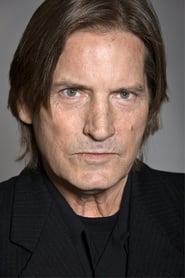
Actor
Andy Warhol
3 films on Movie OTT · Active 1972–2012
Andy Warhol arrived at his particular version of art — and, eventually, film — from an unlikely starting point: commercial illustration in 1950s New York, drawing shoes for magazine ads while quietly absorbing everything the city's gallery scene had to offer. Born in Pittsburgh, Pennsylvania, on August 6, 1928, to working-class Carpatho-Rusyn immigrant parents, he studied pictorial design at Carnegie Mellon before moving to Manhattan and building a reputation as one of the more in-demand graphic artists working in print. That commercial grounding never really left him. It shaped the way he thought about surfaces, repetition, and the strange relationship between mass production and desire — which became, of course, the engine driving everything he made for the next four decades.
About Andy Warhol
Andy Warhol arrived at his particular version of art — and, eventually, film — from an unlikely starting point: commercial illustration in 1950s New York, drawing shoes for magazine ads while quietly absorbing everything the city's gallery scene had to offer. Born in Pittsburgh, Pennsylvania, on August 6, 1928, to working-class Carpatho-Rusyn immigrant parents, he studied pictorial design at Carnegie Mellon before moving to Manhattan and building a reputation as one of the more in-demand graphic artists working in print. That commercial grounding never really left him. It shaped the way he thought about surfaces, repetition, and the strange relationship between mass production and desire — which became, of course, the engine driving everything he made for the next four decades.
The breakthrough didn't come in a gallery. It came in a grocery store aisle. When Warhol began reproducing Campbell's soup cans and Coca-Cola bottles as fine art in the early 1960s, he wasn't just making a statement about consumer culture — he was collapsing the distance between high art and the everyday in a way that made critics genuinely uncomfortable (which, one suspects, was part of the point). The silkscreen portraits of Marilyn Monroe, Elvis Presley, and Mao Zedong followed, and with them came the Factory — his Silver-painted studio on East 47th Street, later on Union Square — which functioned less like a traditional artist's workspace and more like a production facility crossed with a social experiment. That's where the films started.
His cinema work is stranger and more patient than most people expect. Films like Sleep (1963), which runs over five hours of a man sleeping, and Empire (1964), eight hours of a fixed shot of the Empire State Building, weren't trying to be movies in any conventional sense — they were durational provocations, asking whether attention itself could be the subject. Later Factory productions like Chelsea Girls (1966) and Trash (1970), produced with Paul Morrissey, moved toward something more narrative, more confrontational, built around performers like Edie Sedgwick, Joe Dallesandro, and Candy Darling who don't so much act as simply exist in front of the camera. What's striking is how alive those films still feel — raw and accidental in ways that a lot of carefully constructed independent cinema can't quite replicate.
Warhol's relationship with music runs parallel to his film work and is worth taking seriously on its own terms. He produced the Velvet Underground's debut album in 1967, designed its banana cover, and essentially served as the band's early architect — a collaboration that sits at an interesting crossroads between visual art, underground film, and rock history. That connection to Bowie-era glam and the whole lineage of art-rock that followed is why his presence threads through David Bowie and the Story of Ziggy Stardust (2012), a documentary tracing Bowie's transformation into his most famous alter ego. Warhol's Factory aesthetic and his championing of transgressive performance directly fed the cultural moment that made Ziggy Stardust possible, and David Bowie and the Story of Ziggy Stardust doesn't shy away from drawing that line.
Hard to say if Warhol himself would have cared much about being cited in a music documentary — he had a habit of deflecting exactly that kind of retrospective significance with a blank stare and a monosyllable. He died in New York on February 22, 1987, following complications from gallbladder surgery, at 58. The work he left behind spans painting, printmaking, sculpture, photography, publishing (Interview magazine, which he founded in 1969), and somewhere between sixty and several hundred films depending on how you count the Screen Tests. On a film database, he sits in an unusual category: not quite a director in the auteur sense, not quite a producer in the Hollywood sense, but someone whose thinking about images, fame, and mechanical reproduction changed what movies — and a lot of other things — were allowed to be.
Currently streaming
1 of 3 on platforms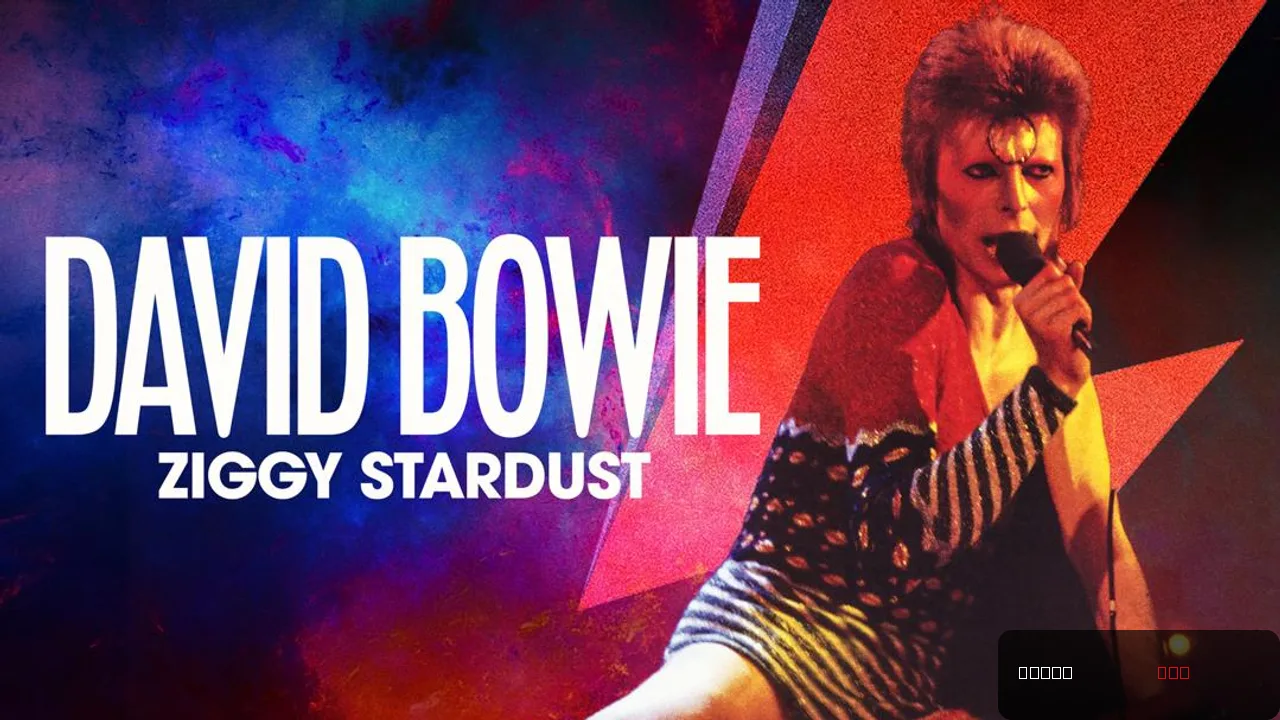
Filmography
Frequently asked questions
When and where was Andy Warhol born?
Andy Warhol was born 1928-08-06 in Pittsburgh, Pennsylvania, USA.
What films is Andy Warhol known for?
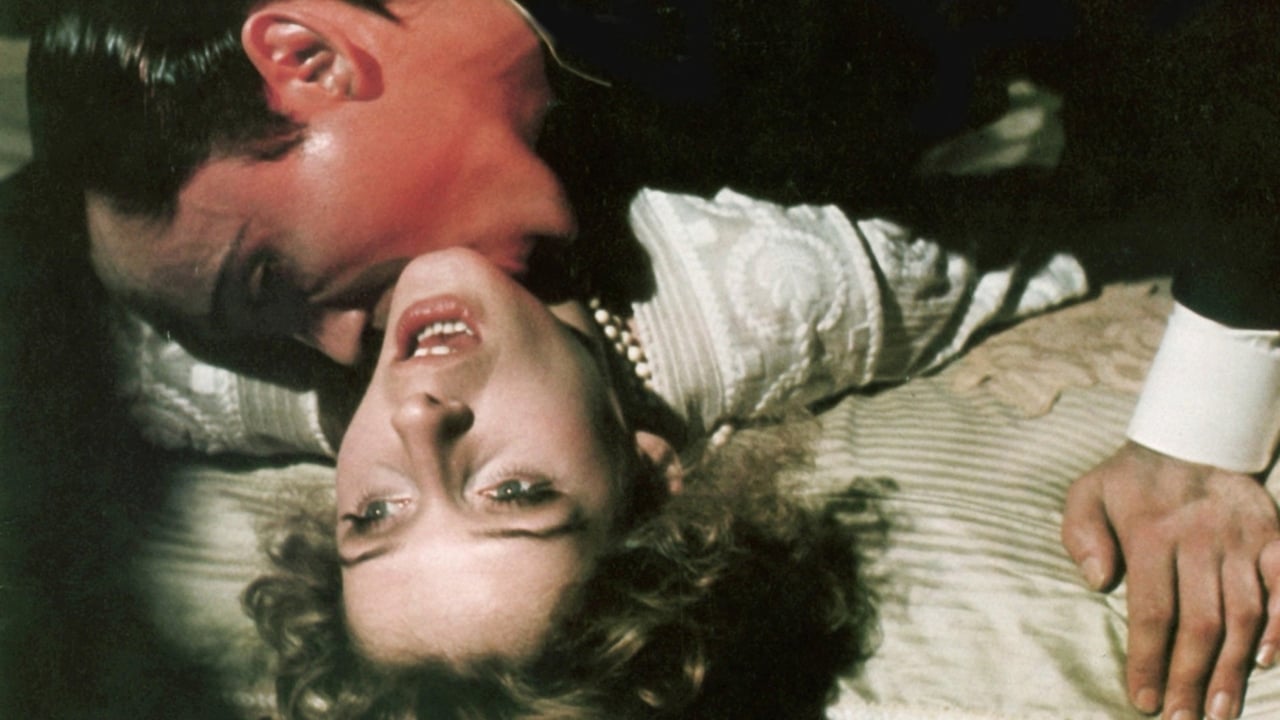
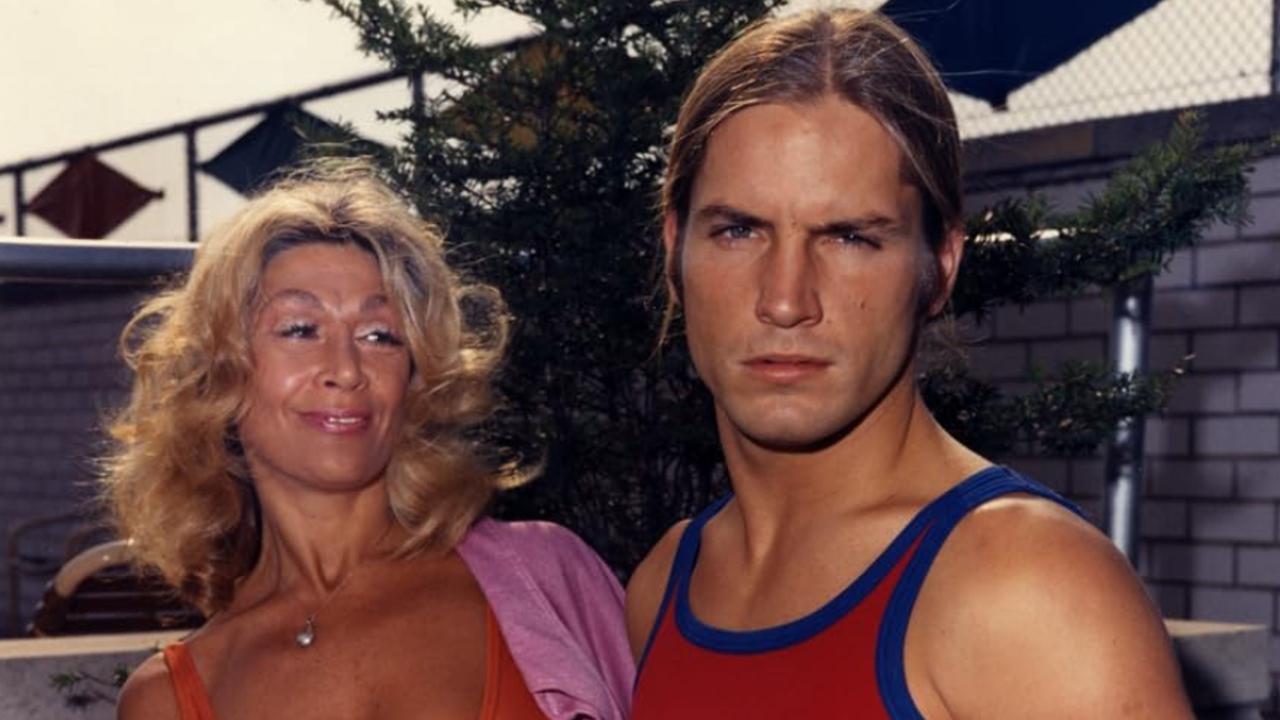
Andy Warhol has 3 titles indexed on Movie OTT, including David Bowie & The Story of Ziggy Stardust, Blood for Dracula, Heat.
Where can I watch Andy Warhol's films?
1 of Andy Warhol's films are currently streaming, available on Prime Video.
How long has Andy Warhol been active?
Andy Warhol's film career on Movie OTT spans from 1972 to 2012 — 40 years of work.