Actor
Moushumi Chatterjee
4 films on Movie OTT · Active 1979–2015
Moushumi Chatterjee arrived in Hindi cinema in the early 1970s as a young actress from Calcutta who didn't fit the conventional mold of the era's leading ladies — there was something restless and slightly unguarded about her screen presence that set her apart almost immediately. She made her Bollywood debut in 1972 with Ananda Ashram, but it was the combination of her Bengali film background and her quick absorption into mainstream Hindi productions that gave her career an unusual dual texture. She's probably best remembered by general audiences for the romantic and dramatic films she made across the 1970s, a decade when she appeared in a string of commercially successful pictures alongside the era's biggest male stars.
About Moushumi Chatterjee
Moushumi Chatterjee arrived in Hindi cinema in the early 1970s as a young actress from Calcutta who didn't fit the conventional mold of the era's leading ladies — there was something restless and slightly unguarded about her screen presence that set her apart almost immediately. She made her Bollywood debut in 1972 with Ananda Ashram, but it was the combination of her Bengali film background and her quick absorption into mainstream Hindi productions that gave her career an unusual dual texture. She's probably best remembered by general audiences for the romantic and dramatic films she made across the 1970s, a decade when she appeared in a string of commercially successful pictures alongside the era's biggest male stars.
The thing nobody mentions is how much of Chatterjee's appeal came from her ability to hold a scene without overplaying it. In a period when Hindi cinema rewarded grand emotional gestures, she often worked quieter — a quality that made her particularly effective in films that required some psychological interiority rather than pure melodrama. Her early work with directors who understood that restraint gave her a platform that outlasted the initial wave of her popularity. She worked with Hrishikesh Mukherjee, a filmmaker who had a specific gift for drawing naturalistic performances from actors who might otherwise have been pushed toward excess, and that collaboration shaped how she approached character work for years afterward. Winning the Filmfare Award for Best Supporting Actress in 1973 for Ananda Ashram confirmed what audiences had already sensed — that she was someone worth watching carefully.
Her filmography through the 1970s spans genres in a way that's hard to summarize neatly: comedy, romance, social drama, even lighter musical entertainments. She worked with Rajesh Khanna during his peak years, appeared opposite Amitabh Bachchan in multiple productions, and moved between prestige projects and more commercially driven fare with what seemed like genuine ease. That flexibility — the willingness to not be precious about the kind of film she appeared in — probably extended her relevance well beyond the window most actresses of her generation were given. Hard to say if that was strategy or simply temperament, but the result was a career that kept producing interesting work rather than stalling out after a single defining run.
Manzil, the 1979 film directed by Basu Chatterjee (no relation), sits in an interesting place within her body of work. A romantic drama built around the kind of bittersweet emotional logic that Basu Chatterjee handled better than almost anyone working in Hindi cinema at the time, Manzil gave Moushumi Chatterjee a role that asked for both warmth and a certain quiet stubbornness — a character who wants something and won't entirely let go of it even when the situation argues against hope. The film's reputation has only grown over the decades, partly because of R.D. Burman's score, but also because the performances hold up in a way that more flashy productions from the same period don't.
What's striking, looking at her career as a whole, is how she managed the transition that ended so many of her contemporaries' time at the center of Hindi cinema. She moved into character roles without the kind of visible resistance or diminishment that often marks that shift, and she continued appearing in Bengali productions where she retained a different kind of standing entirely. The industry she worked in for five decades changed enormously around her — production methods, star systems, distribution, the whole infrastructure — and she moved through those changes without disappearing. Not every actress from the 1970s can say the same.
Currently streaming
1 of 4 on platforms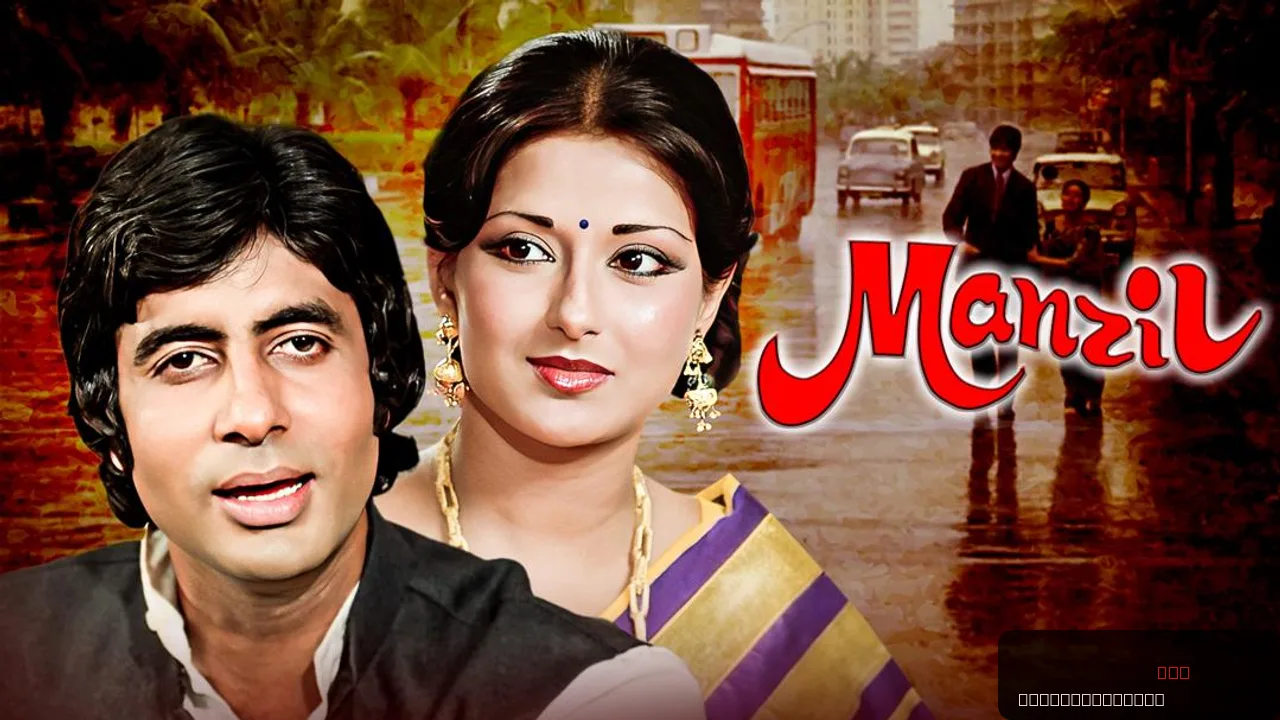
Filmography

Frequently asked questions
When and where was Moushumi Chatterjee born?
Moushumi Chatterjee was born 1948-04-26 in Calcutta, West Bengal, India.
What films is Moushumi Chatterjee known for?
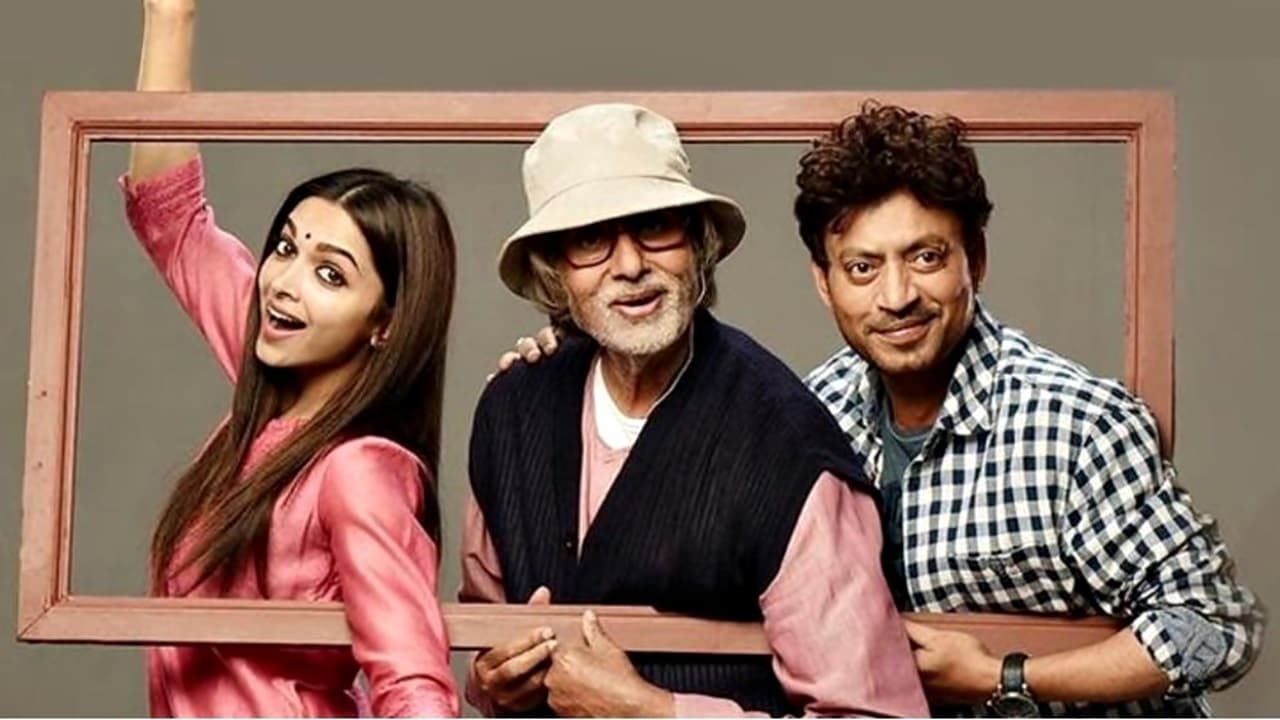
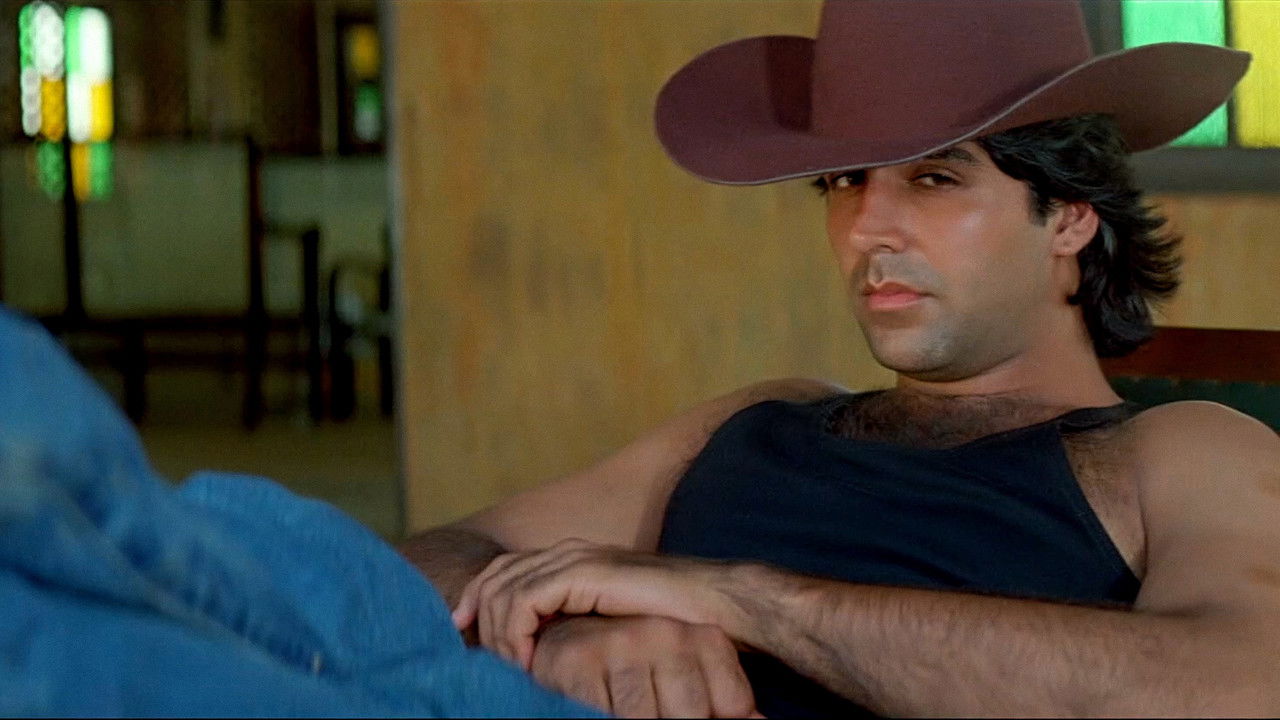
Moushumi Chatterjee has 4 titles indexed on Movie OTT, including Piku, Keemat, Kareeb.
Where can I watch Moushumi Chatterjee's films?
1 of Moushumi Chatterjee's films are currently streaming, available on Amazon Prime Video with Ads, JioHotstar, Prime Video.
How long has Moushumi Chatterjee been active?
Moushumi Chatterjee's film career on Movie OTT spans from 1979 to 2015 — 36 years of work.