
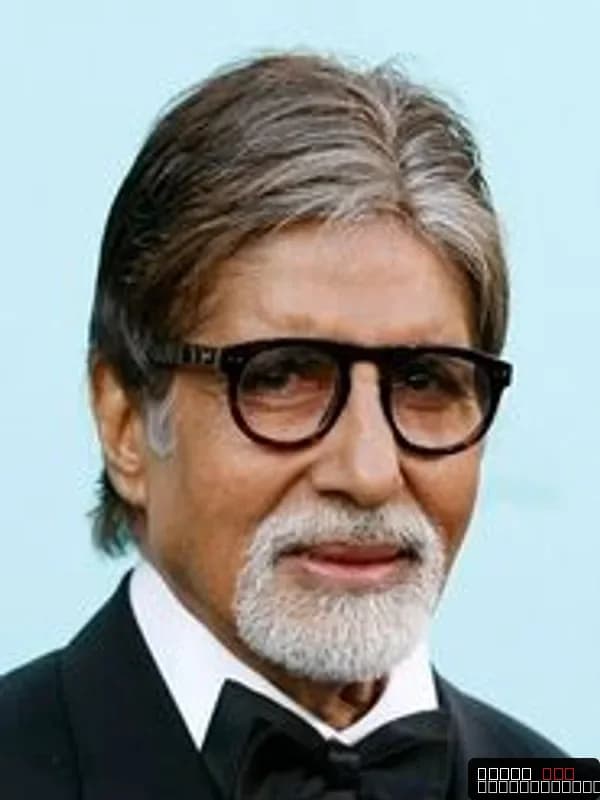








The Story of Piku: Family on Four Wheels
Piku isn't your typical Bollywood road movie. At its heart sits a premise that sounds almost absurd: a taxi driver becomes unwittingly entangled in the complicated relationship between a woman and her aging father as they embark on a cross-country drive from Delhi to Kolkata. But that simplicity masks something richer. The film trades grand romantic gestures for the quiet, often uncomfortable comedy of living with people you love but can't quite understand. What unfolds over 123 minutes is less about the destination and more about what happens when three strangers—bound by circumstance rather than choice—are forced to confront each other's flaws, needs, and unspoken affections. The tagline says it all: "Motion Se Hi Emotion." Movement creates feeling.
Behind the Making of Piku: Direction, Cast, and Critical Success
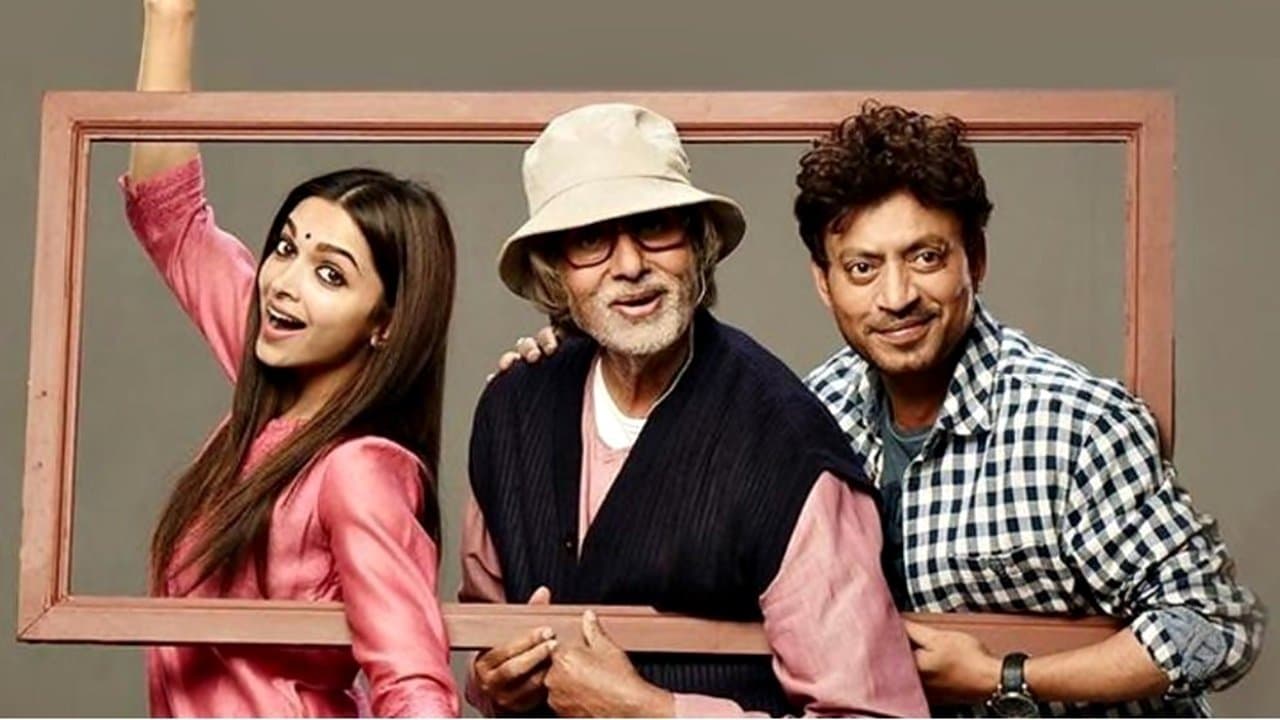
Director Shoojit Sircar and writer Juhi Chaturvedi crafted Piku with a surgical precision that belies its seemingly lightweight premise. Principal photography ran from August 2014 through December of that year, with the film arriving in 2015 backed by a heavyweight production team: Rising Sun Films, MSM Motion Pictures, Saraswati Entertainment Creations Limited, and Yash Raj Films. The ensemble cast—Amitabh Bachchan, Deepika Padukone, and Irrfan Khan in the lead roles, alongside Moushumi Chatterjee, Jisshu Sengupta, and Raghubir Yadav—brought considerable star power and credibility to what could have been a one-note gimmick.
Composer Anupam Roy's soundtrack provided the emotional scaffolding for scenes that might otherwise have tipped into sentimentality. The film earned a solid 7.131 IMDb rating, a testament to its broad appeal across both critical and audience circles. While exact box office figures vary by source, the film performed respectably in the Indian market and found significant traction on streaming platforms, where it continues to attract viewers curious about intelligent Hindi-language cinema. Movie OTT tracks these kinds of cross-platform successes, helping viewers discover films that transcend traditional theatrical releases.
What Makes Piku Stand Out: Performance and Perspective
What's striking is how the film manages to wring genuine comedy from bodily dysfunction—specifically, the father's chronic constipation—without ever turning it into cheap slapstick. That restraint, that willingness to let awkwardness breathe, is rare in mainstream Hindi cinema. Deepika Padukone carries the film with a performance that's neither showy nor subdued; she's caught between filial duty and personal exhaustion, and she makes that tension feel lived-in rather than performed. Bachchan, playing against type as a cantankerous, self-absorbed older man, strips away the gravitas he's known for and reveals something more vulnerable underneath.
Irrfan Khan—an actor who could convey entire emotional landscapes with a glance—serves as our entry point into the chaos. His character, the taxi driver, is the audience surrogate, the person who can't quite believe what he's witnessing but can't look away either. The thing nobody mentions is how much the film trusts its actors to find comedy in silence, in the spaces between dialogue. There's a scene early on where the father insists on stopping the cab repeatedly for bathroom breaks, and the humor doesn't come from the situation itself but from the accumulated frustration and resignation on everyone's faces. It's the kind of character work that builds slowly and lands harder than any punchline ever could.
Audience reactions have consistently highlighted the performances as the film's backbone. Viewers noted that while occasional directorial choices felt opaque—some narrative threads don't quite resolve as expected—the acting carries you through. The cinematography of Delhi and Kolkata also drew praise, grounding the story in real geography rather than the glossy, artificial spaces typical of Bollywood. Movie OTT users often mention the film's specificity of place as one reason it holds up on rewatches, even when viewed on smaller screens.
Where to Stream Piku Online
Piku is currently available on major OTT services, making it accessible whether you're a devoted Hindi cinema fan or someone discovering the film for the first time. Check the "Where to Watch" widget at the top of this page to see which platforms in your region are currently carrying it. Streaming availability shifts, but the film's enduring appeal means it tends to rotate back onto services regularly. If you're using Movie OTT to track where titles are streaming, you'll notice Piku shows up frequently—a sign of its staying power in the catalog ecosystem.
Frequently asked questions
Q: Who directed Piku?
Shoojit Sircar directed Piku, with a script by Juhi Chaturvedi. Sircar's direction is understated and character-focused, prioritizing naturalistic performances over stylistic flourishes.
Q: Is Piku based on a true story?
No, Piku is an original screenplay, though it draws on universal family dynamics that many viewers recognize from their own lives. The specificity of the characters and relationships feels authentic even though the story itself is fictional.
Q: What's the runtime of Piku?
The film runs 123 minutes, a length that allows the relationships to develop gradually without feeling rushed or bloated.
Q: Who composed the music for Piku?
Anupam Roy composed the soundtrack, which complements the film's understated tone rather than overwhelming it with melodrama.
Q: Can I watch Piku with subtitles?
Yes. Since Piku is a Hindi-language film, most streaming platforms offer English subtitles, making it accessible to non-Hindi speakers who want to experience the film in its original language.
Final Thoughts on Piku
Piku won't blow your mind with narrative twists or spectacle. It's a modest, character-driven comedy-drama that finds its power in specificity and restraint. If you're looking for a film that trusts its audience to find humor in discomfort, that believes three flawed people learning to coexist is drama enough—this is it. The performances anchor everything, the writing knows when to stay quiet, and the road trip structure gives the whole thing a natural rhythm. It's exactly the kind of film that benefits from a second watch, when you're not waiting for plot developments and can just sit with these characters and their messy, tender relationships.