








The story of A Tale of Samurai Cooking
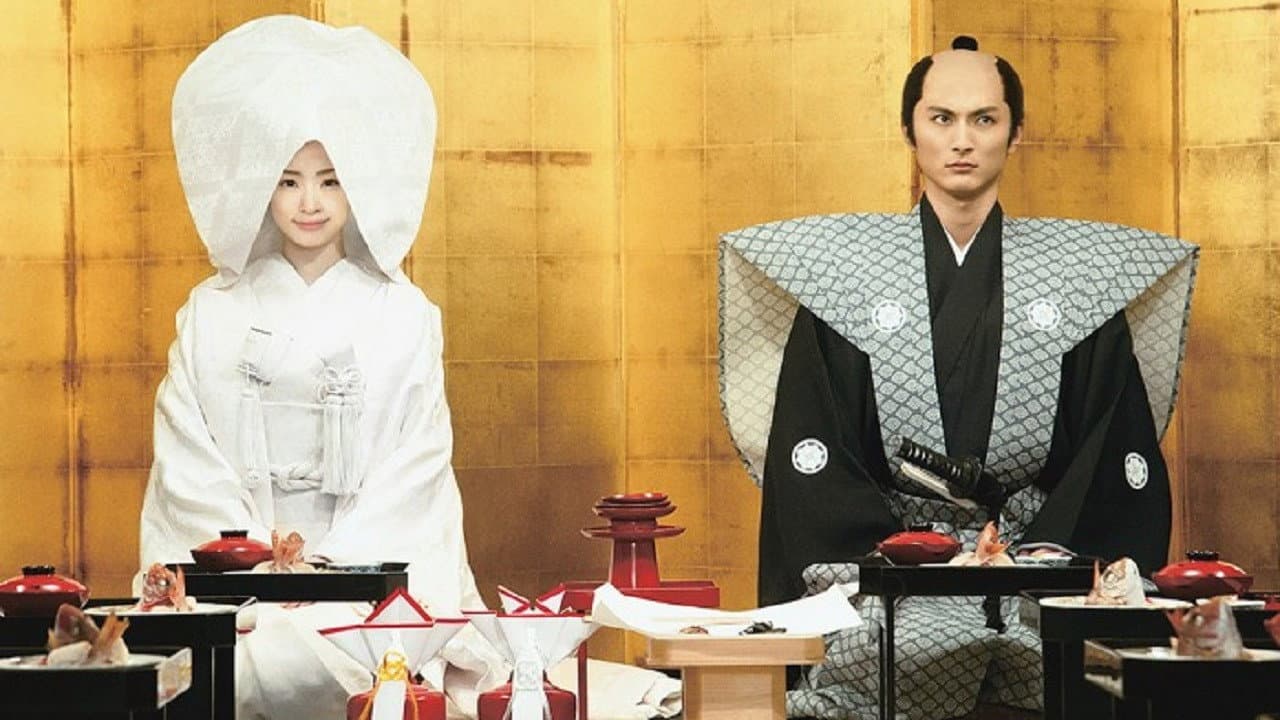
A Tale of Samurai Cooking unfolds in the refined, constrained world of the Edo period, where hierarchy and duty govern every meal and every marriage. At the heart of this historical drama is Oharu, a 27-year-old woman whose gifts in the kitchen are so extraordinary that they've caught the attention of the Kaga Domain's master chef. The solution, in the logic of arranged marriage, is obvious: marry her off to his son and heir, Yasunobu, a 24-year-old samurai more fascinated by the weight of a katana than the weight of culinary responsibility. What unfolds isn't a fairy tale. Yasunobu is cold to his new bride—distant, dismissive, more interested in perfecting his swordplay than appreciating the intricate dishes his wife prepares. For Oharu, it's a second marriage, which carries its own quiet shame in this rigidly structured society. The film asks a deceptively simple question: Can love, or at least understanding, grow between two people bound by obligation rather than affection?
Behind the making of A Tale of Samurai Cooking
A Tale of Samurai Cooking emerged from a robust production infrastructure that brought together Japan's major entertainment players. Released in 2013, the film was produced by Shochiku (one of Japan's oldest and most respected studios), with support from dentsu, TV Asahi, Asahi Broadcasting Corporation, and Shogakukan—a constellation of names that signals serious investment in the jidaigeki (period drama) genre. The 122-minute runtime gives the narrative room to breathe, a deliberate choice for a story that's less about plot acceleration and more about the gradual thaw of emotional distance. While the film earned two award nominations, it didn't become a mainstream blockbuster in the way that some samurai films do. That said, critics on Rotten Tomatoes awarded it an 80% Fresh rating, suggesting that despite its modest IMDb score of 6.7 out of 10 (based on 577 votes), the film found serious appreciation among reviewers who valued its restraint and craft. The production's pedigree—Oscar Promotion's involvement, the TV Asahi backing—speaks to a film made with theatrical ambition rather than straight-to-streaming expediency. This wasn't a quick project; it was built to last.
What makes A Tale of Samurai Cooking stand out
What's striking about A Tale of Samurai Cooking is how it refuses to make the samurai the protagonist. In most jidaigeki, the warrior's code, the duel, the honor—these are everything. Here, they're a distraction. The real story lives in the kitchen, in the deliberation of ingredients, in the small acts of care that Oharu performs for a man who won't acknowledge her. The film's critical reception hinges on this inversion. Where you might expect sword clashes and political intrigue, instead you get the sound of a knife against a cutting board, the steam rising from a pot, the careful arrangement of food on a plate. I keep coming back to how the film uses cooking as a language when words fail—and they do fail, often, between Oharu and Yasunobu. The performances anchor this restraint; the actors don't overplay the emotional distance but inhabit it, making the rare moments of connection feel earned rather than manipulative. It's a film that trusts its audience to sit with discomfort, to understand that not every marriage resolves into passion, that sometimes the victory is simply being seen. The Edo period setting—with its rigid social structures and aesthetic precision—becomes the perfect container for this story. Every frame feels composed, deliberate, the way a traditional kaiseki meal is composed. Nothing's wasted. Nothing's accidental.
Where to stream A Tale of Samurai Cooking online
A Tale of Samurai Cooking is currently available on major OTT services, and Movie OTT tracks real-time streaming availability across all platforms so you don't have to hunt. The "Where to Watch" widget at the top of this page shows you exactly which services are carrying it right now—availability shifts, so checking there first saves frustration. If you're a subscriber to any of the major streaming platforms, there's a solid chance it's already in your library. For international viewers, the film's availability may vary by region, but the aggregator data on Movie OTT is updated regularly to reflect those differences. It's worth noting that a film like this—thoughtful, slow, deeply Japanese in its sensibility—often finds its audience through streaming rather than theatrical release, which is where many discover jidaigeki dramas they'd never have encountered otherwise.
Frequently asked questions
Q: Is A Tale of Samurai Cooking based on a true story?
No, it's a fictional narrative set during the Edo period, though it draws authentically from the historical context of samurai society, the Tokugawa Shogunate, and the culinary traditions of the era. The characters and their specific story are original creations.
Q: What's the runtime, and how long should I expect to sit with this film?
A Tale of Samurai Cooking runs 122 minutes, which is substantial for a period drama. It's not a quick watch, but the length allows the emotional arc between Oharu and Yasunobu to develop without rushing.
Q: Is this a romance film or a historical drama?
It's genuinely both—a historical romance that uses the Edo period as its backdrop while centering on the slow-burn relationship between two people forced into marriage. Don't expect grand gestures; expect subtlety.
Q: Who should watch A Tale of Samurai Cooking?
Fans of jidaigeki, anyone who appreciates slow-burn character studies, and viewers drawn to stories about food, tradition, and the quiet ways people communicate when words aren't enough. If you loved films that prioritize mood and craft over plot mechanics, this is for you.
Q: How does A Tale of Samurai Cooking compare to other samurai films?
Unlike action-heavy samurai movies, this one's meditative. It's more interested in the domestic sphere and emotional negotiation than in martial prowess. Think less Harakiri and more Ozu—though it's its own thing entirely.
Final thoughts on A Tale of Samurai Cooking
A Tale of Samurai Cooking won't appeal to everyone. It's deliberately paced, emotionally restrained, and more interested in the texture of a meal than the clash of swords. But for viewers willing to meet it on its own terms—to sit in the discomfort of a marriage that doesn't ignite immediately, to find beauty in the mundane rituals of cooking and service—it's quietly rewarding. The film trusts that its audience understands: sometimes the most radical act is simply showing up, day after day, and doing your work with care. That's the real story here. If you're hunting for your next period drama, Movie OTT can help you find it and show you where it's streaming. This one's worth the search.