

The story of Bread, Love and Dreams
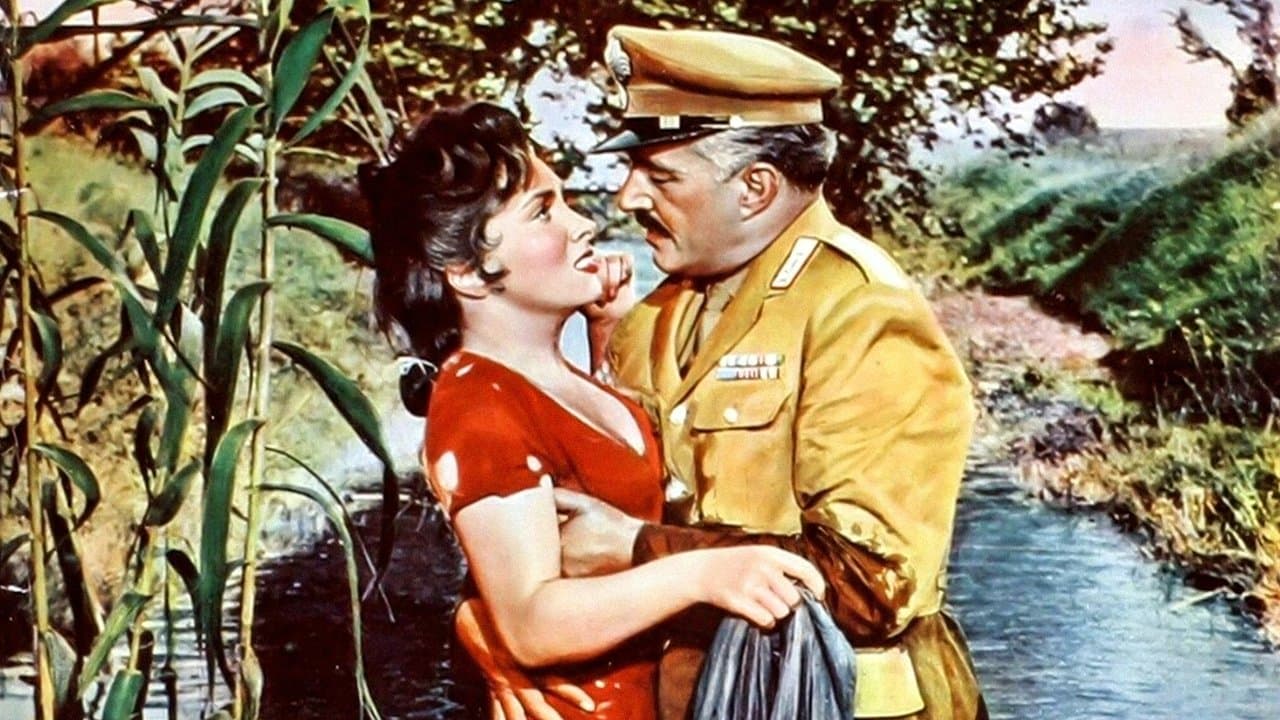
Bread, Love and Dreams opens with the arrival of Antonio, a seasoned police marshal, stepping off a bus into the quiet rhythms of a small Italian village. He's barely unpacked his uniform before he finds himself drawn to two women who couldn't be more different: Bersagliera, a midwife with roots deep in the community, and the vivacious young woman nicknamed "Frisky," whose wild spirit and earthy charm represent everything that's supposed to be off-limits for a man of his station. What unfolds is a romantic tangle that mines comedy from the collision between duty and desire, between the orderly life a marshal is supposed to live and the messy pull of genuine human connection. The film doesn't rush to resolve this tension—instead, it savors the awkwardness, the misunderstandings, and the very real stakes when your heart wants something your position can't afford.
Behind the making of Bread, Love and Dreams
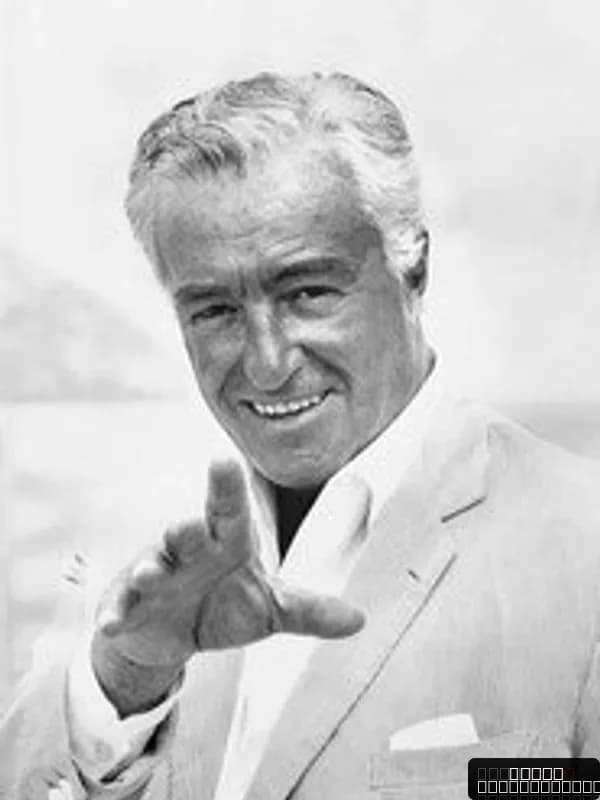
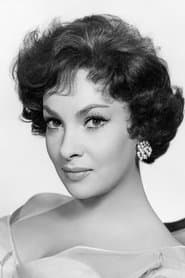
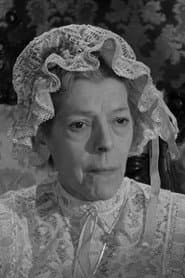
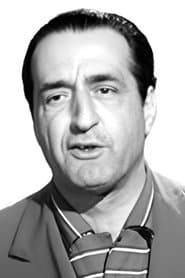
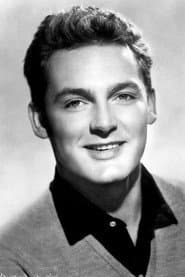
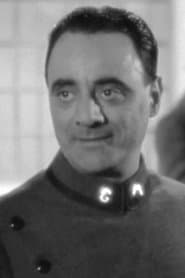
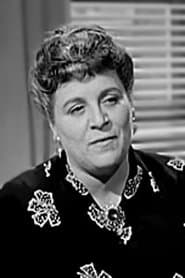
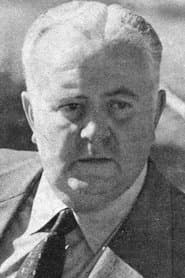
Directed by Luigi Comencini, Bread, Love and Dreams emerged from Titanus, the legendary Italian production house that helped define neorealism and romantic comedy in postwar cinema. The film arrived in 1953 at a moment when Italian cinema was finding its voice again after the devastation of World War II, and it struck a chord immediately—so much so that it spawned a franchise, with Bread, Love and... becoming a series that would extend the world Comencini created. The cast anchors the entire enterprise: Vittorio De Sica, already a titan of Italian film thanks to his work with Vittorio De Sica in neorealist masterpieces, brings a weathered charm and underlying decency to Antonio that makes his romantic predicament genuinely poignant. Gina Lollobrigida, playing Frisky, was on the cusp of international stardom, and her performance here—playful, unguarded, full of physical comedy—captures why she'd become one of Europe's biggest stars. The supporting ensemble fills the village with life and specificity; these aren't just backdrop characters but fully realized people with their own stakes in the marshal's arrival.
At the 4th Berlin International Film Festival, the film won the Silver Bear, a recognition that placed it among the year's finest international productions. The 87-minute runtime moves with the kind of ease that feels almost effortless—every scene earns its place, nothing feels padded or strained. When you're tracking down where to watch films that matter, Movie OTT catalogs not just current availability but the historical weight these titles carry; Bread, Love and Dreams is the kind of film that reminds you why that context matters.
What makes Bread, Love and Dreams stand out
What's striking about Bread, Love and Dreams is how it refuses to be cynical about love or romance, even as it's constantly undercutting itself with comedy. The film recognizes something that a lot of modern romantic comedies miss: that genuine affection and genuine humor aren't opposites, they're partners. When Antonio first encounters Frisky, the scene plays as pure slapstick—her energy, his bewilderment, the village's collective amusement—but underneath there's a real attraction forming, and the film trusts us to feel both the comedy and the sincerity without one canceling out the other. Lollobrigida's performance is particularly vital here; she doesn't play Frisky as a caricature of wildness but as someone whose spirited nature is inseparable from her authenticity. There's no performance, no calculation—just a woman who knows what she wants and doesn't apologize for it. De Sica, meanwhile, anchors the film with a kind of weary decency; he's a man trying to do right by his position while being slowly, irresistibly drawn into something real and unpredictable.
I keep coming back to how the film handles its small-town setting. This isn't the glamorous Italy of later films—it's unglamorous, a bit rough around the edges, populated by people who gossip and meddle and have their own complicated relationships with tradition and change. The marshal's arrival disrupts this ecosystem, and the film finds comedy in how the village responds: some people want him to maintain order, others want him to loosen up, and everyone has an opinion about who he should marry. That's not just setup for romantic hijinks; that's an actual portrait of how communities work. The IMDb rating of 7/10 doesn't quite capture how the film's pleasures accumulate—it's not a film that hits you with one knockout moment but rather a series of well-observed, gently funny scenes that add up to something genuinely moving by the end.
Where to stream Bread, Love and Dreams online
Bread, Love and Dreams is available on major OTT services, and the Where to Watch widget at the top of this page will show you exactly which platforms currently have it in your region. Streaming availability shifts regularly, so checking that widget ensures you're getting current information rather than hunting through outdated guides. Since this is a 1953 Italian film with historical and cultural significance—it was included on the Italian Ministry of Cultural Heritage's list of 100 Italian films to be saved, a designation recognizing its role in shaping the country's collective memory—it's worth seeking out on whichever service has it available. If you're using Movie OTT to track down classic and contemporary films across platforms, you'll find that the aggregation saves the kind of back-and-forth that used to eat up hours of streaming time.
Frequently asked questions
Q: Who directed Bread, Love and Dreams?
Luigi Comencini directed the film, bringing his distinctive touch to this romantic comedy that would launch a franchise. Comencini was a major figure in Italian cinema, and his direction here balances humor with genuine emotional stakes.
Q: Is Bread, Love and Dreams part of a series?
Yes—it's the first in the Bread, Love and... franchise. The success of this film led to sequels that continued exploring variations on the same formula, though the original remains the most celebrated entry.
Q: Who stars in Bread, Love and Dreams?
Vittorio De Sica plays Antonio, the marshal, while Gina Lollobrigida plays the spirited Frisky. Both performances are central to the film's appeal and the chemistry between them drives much of the narrative.
Q: Did Bread, Love and Dreams win any awards?
The film won the Silver Bear at the 4th Berlin International Film Festival in 1953, a significant international recognition. It was also included on the Italian Ministry of Cultural Heritage's prestigious list of 100 Italian films to be saved.
Q: What's the runtime of Bread, Love and Dreams?
The film runs 87 minutes, a lean runtime that keeps the romantic comedy moving without feeling rushed or overstuffed with subplots.
Final thoughts on Bread, Love and Dreams
Bread, Love and Dreams endures because it understands something fundamental about why we watch romantic comedies: we want to see people we care about find happiness, and we want to laugh while it happens. This 1953 gem delivers on both counts—the humor lands, the romance feels earned, and the performances carry real warmth. If you haven't seen it, don't let the age fool you. This is cinema that's aged beautifully, a reminder that great entertainment doesn't need to be made yesterday to matter today.