
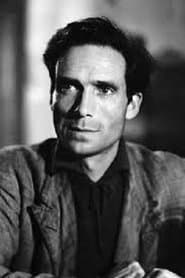
The story of Umberto D. and his fight against eviction
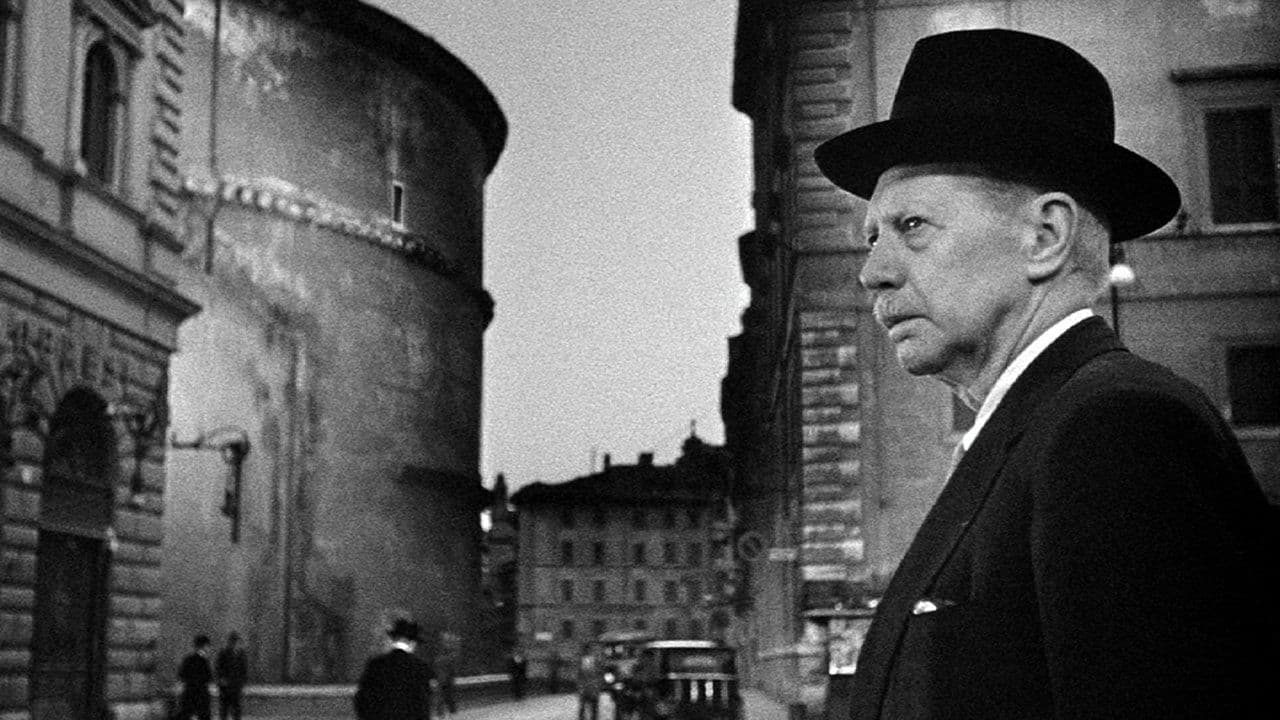
Umberto D. opens with a quiet act of desperation. An elderly man returns to his modest boarding house after attending a protest demanding higher old-age pensions—a real event, a real struggle, but one that changes nothing for him. His landlady, indifferent to his cause, presents him with an ultimatum: pay 15,000 lire in rent by month's end or leave. No extensions. No mercy. What unfolds over the next 91 minutes isn't a dramatic courtroom battle or a grand gesture of redemption. It's something far more devastating—the slow, grinding reality of what it means to have nowhere to go, no one to turn to, and only a small dog who depends on you. The film doesn't sensationalize Umberto's predicament. It sits with him in it.
Behind the making of Umberto D. and its neorealist legacy
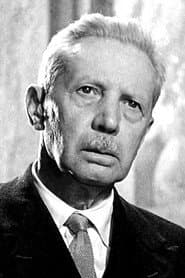
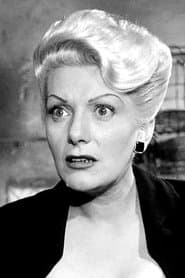
Vittorio De Sica directed Umberto D. in 1952, three years after his Oscar-winning Bicycle Thieves established him as cinema's voice for the dispossessed. The production—a collaboration between Amato Film, Rizzoli Film, and Produzioni De Sica—was modest in scale but ambitious in its refusal to compromise. De Sica cast Carlo Battisti, a non-professional actor, in the title role, a choice that grounds the film in authenticity rather than star power. The supporting cast, including the landlady and the housemaid, were similarly drawn from everyday life rather than the theater or studio system. This approach wasn't a gimmick; it was ideological. Italian neorealism rejected the glossy escapism of commercial cinema in favor of streets, real locations, and faces marked by actual experience. The film premiered to critical acclaim and earned De Sica recognition as one of cinema's greatest humanists. It holds a 7.87 rating on IMDb, a testament to its enduring power across generations of viewers who've discovered it on Movie OTT, where current streaming availability is tracked across multiple platforms.
What makes Umberto D. stand out from other films about poverty
What's striking about Umberto D. is how it refuses easy sentiment. There's no miraculous inheritance, no kind stranger, no heartwarming twist. Instead, De Sica trains his camera on the small humiliations that accumulate when you're poor and aging—the way Umberto must negotiate with his landlady, the shame of considering selling his few possessions, the impossible choice between his own survival and his dog's. Carlo Battisti's performance (and it's crucial to call it that, despite his non-professional background) captures something that professional actors often miss: the way dignity doesn't disappear when circumstances strip everything else away. There's a scene where Umberto lies in bed, feigning illness to secure hospital admission and buy time. It's not theatrical. It's just a man doing what he thinks he must. The housemaid—pregnant, abandoned by the child's father, herself desperate—becomes an unexpected mirror to Umberto's own vulnerability. Their relationship, tentative and fragile, suggests that solidarity between the poor is sometimes all that exists. The film doesn't resolve their problems. It doesn't need to. The power lies in the recognition itself. I keep coming back to the final act, where Umberto's options narrow to almost nothing, and the film holds steady, refusing to look away or soften what it's showing us. That's courage in filmmaking—the willingness to let an audience sit with discomfort rather than resolve it.
Where to stream Umberto D. online
Umberto D. is available on major OTT services, and if you're using Movie OTT, you can check the "Where to Watch" widget at the top of this page to see which platform currently has it in your region. Availability shifts seasonally across Netflix, Prime Video, and other major streaming platforms, so the widget will keep you updated without requiring a hunt across multiple sites. The film's 91-minute runtime makes it accessible for a single evening, though its emotional weight lingers long after.
Frequently asked questions
Q: Who directed Umberto D. and when was it released?
Vittorio De Sica directed Umberto D., which premiered in 1952. De Sica was already celebrated for Bicycle Thieves and became one of cinema's greatest humanist filmmakers through works like this one.
Q: Is Umberto D. based on a true story?
While not based on a single true story, the film draws from the real conditions faced by elderly Italians in the postwar period, including actual pension protests. De Sica's neorealist approach meant capturing the texture of lived experience rather than adapting a specific narrative.
Q: What's the significance of the dog in Umberto D.?
The dog, Flike, represents Umberto's last connection to love and purpose. His willingness to risk everything—including his own survival—to protect the dog reveals what he values most when everything material has been stripped away.
Q: How long is Umberto D.?
The film runs 91 minutes, making it a focused, lean narrative that doesn't waste time but also doesn't rush through its emotional terrain.
Q: Why is Umberto D. considered a masterpiece of neorealism?
De Sica's use of non-professional actors, real locations, and his refusal to sentimentalize poverty set a standard for the movement. The film treats working-class struggle with dignity and specificity rather than melodrama, influencing filmmakers worldwide.
Final thoughts on Umberto D.
Umberto D. isn't easy cinema. It won't leave you feeling uplifted or inspired in the conventional sense. But it will leave you changed—more aware of the invisible people navigating systems indifferent to their survival, more attuned to the quiet dignity of those who refuse to disappear even when society has written them off. That's why it endures. Seventy years later, it's still the film to watch when you want cinema to tell you the truth about how the world actually works for those without power or wealth. Don't expect comfort. Expect recognition.