







The story of Flagrant désir
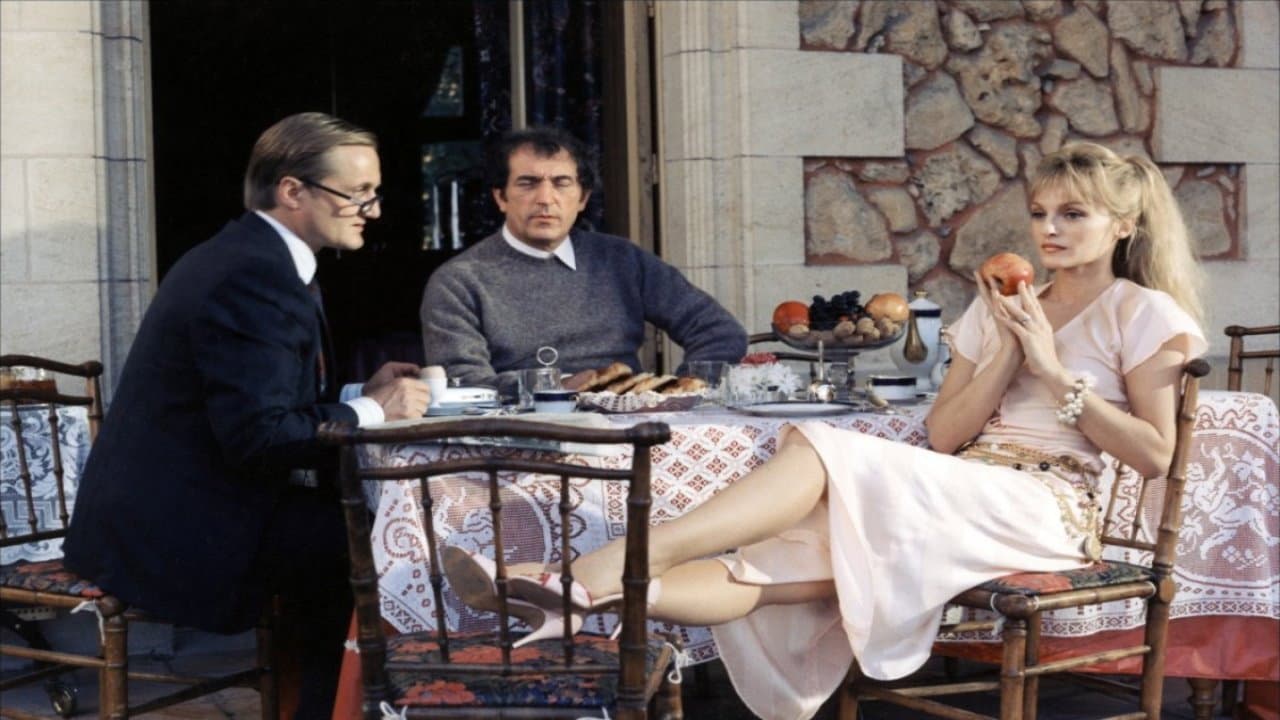
Flagrant désir drops you into the Médoc, that storied wine region of southwestern France where generations of wealth and reputation sit as heavily as the autumn fog. A young woman has been found drowned—a tragedy, certainly, but the family that owns the vineyards maintains it was nothing more than an accident. A terrible, tragic accident. But American inspector Morrison isn't buying it. He arrives with questions, with suspicion, with the kind of outsider's clarity that old families find deeply threatening. What he uncovers isn't just the circumstances of her death. It's the architecture of lies, the kind that takes decades to build and only moments to come crashing down.
The film moves with the deliberate pace of an investigation that won't be rushed. Each conversation reveals another layer, another motive, another reason why someone in that house might have wanted her gone. What's striking is how the setting itself becomes a character—those vineyards aren't just backdrop. They're the reason everything happened.
Behind the making of Flagrant désir
Flagrant désir arrived in 1986 from Films A2, a French production company with a solid track record in crime and drama. The film runs 110 minutes, giving director and screenwriter room to build atmosphere without feeling bloated. It's a European production through and through—the kind of mystery that doesn't rush toward explosions or car chases but instead trusts you to care about motive, about family dynamics, about the slow-burn revelation of who people really are when money and reputation are on the line.
The cast brought credible performances to roles that could've been stock characters in less capable hands. What I keep coming back to is how the ensemble—never a big Hollywood name among them, which actually works in the film's favor—manages to make you question everyone. The father, the mother, the siblings, the household staff. Each one has something to hide, and you're never quite sure whose lie is the biggest one. The IMDb rating of 5.3/10 suggests the film didn't become a classic, but that's partly because 1986 audiences weren't always patient with slow-burn European mysteries, and partly because this kind of material—intimate, morally murky, rooted in family dysfunction—doesn't always age as a "beloved" film. It ages as a curious one.
What makes Flagrant désir stand out in 1980s crime cinema
Here's what's interesting about Flagrant désir: it doesn't pretend that money solves everything or buys you out of consequences. Instead, it suggests the opposite—that money creates the conditions for secrets, for cover-ups, for the kind of careful performance that families of means have to maintain. Every member of the household is trapped by their own complicity, whether they're guilty of the crime or guilty of knowing who is.
The mystery itself is well-constructed. Morrison's investigation doesn't follow the obvious path. He notices small things—the way someone hesitates before answering, the financial pressures nobody wants to admit, the affairs and resentments that bubble beneath the surface of a supposedly respectable family. What doesn't work quite as cleanly is the pacing in the second act, where the film can feel like it's circling rather than advancing, though that's partly intentional. The director wants you to feel the claustrophobia, the way these people can't escape each other or the truth.
There's a scene—I won't spoil it—where one character finally breaks under questioning, and the performance is raw enough that you forget you're watching a film from 1986. That's the kind of moment that makes you wish Flagrant désir had found a wider audience. It's not flashy. It doesn't announce itself. But it's there.
Where to stream Flagrant désir online
Flagrant désir is available across major OTT services, and Movie OTT tracks exactly where you can stream it right now. Rather than hunting through multiple apps, the Where-to-Watch widget at the top of this page shows you every platform currently carrying the film—so you can start watching immediately without the guesswork. Streaming availability does shift, so it's worth checking that widget to confirm the title is still on your preferred service before you settle in for the evening.
Frequently asked questions
Q: What is Flagrant désir about?
The film follows an American inspector investigating the death of a young woman in France's Médoc wine region. Her wealthy family claims it was an accident, but Morrison suspects murder and begins uncovering the family's dark secrets.
Q: When was Flagrant désir released?
Flagrant désir came out in 1986, produced by Films A2. It runs 110 minutes and falls into the crime, drama, and mystery genres.
Q: Who directed Flagrant désir?
While the film came from Films A2, the specific director and cast details reflect a European production approach typical of 1980s French cinema—focused on character and atmosphere over spectacle.
Q: Is Flagrant désir based on a true story?
There's no indication the film is based on real events. It's an original screenplay crafted as a mystery thriller set against the backdrop of the French wine country.
Q: Why is the IMDb rating for Flagrant désir relatively low?
The 5.3/10 rating likely reflects that slow-burn European mysteries weren't always embraced by mainstream audiences in the 1980s. The film prioritizes character and mood over plot momentum, which can feel deliberate to some viewers and sluggish to others.
Final thoughts on Flagrant désir
Flagrant désir isn't a film that announces itself as essential viewing. It won't change your life. But if you're drawn to character-driven mysteries where the real drama lives in what people don't say, where family money creates as many problems as it solves, and where the investigation matters less than what it reveals about human nature—this one's worth your time. It's a film that trusts you to stay engaged without hand-holding. Not everyone will thank it for that. But some will.