





The Story of Halloween III: Season of the Witch
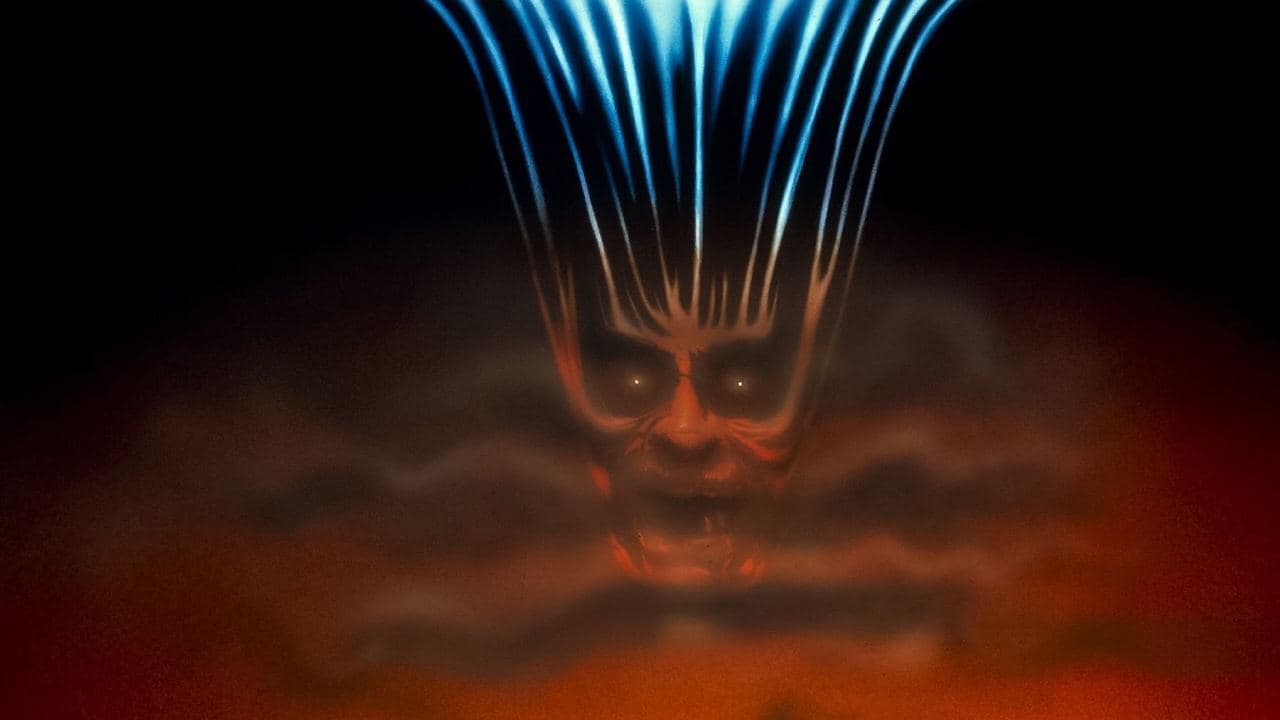
When a terrified toy salesman arrives at a hospital clutching a Silver Shamrock Halloween mask—bloodied, panicked, muttering warnings—Dr. Daniel Challis becomes entangled in something far stranger than a simple assault. The salesman dies under mysterious circumstances, and the mask vanishes. What follows is Challis's descent into a nightmare woven from corporate conspiracy, ancient druidic ritual, and a Halloween mask that's far more sinister than anyone could have imagined. The film doesn't offer easy answers. Instead, it builds dread through questions: Who is Conal Cochran, the seemingly benevolent owner of Silver Shamrock? Why are his masks being distributed to every corner of America? And what happens when millions of children put them on at the same moment? It's a premise that sounds almost absurd in pitch, but Halloween III: Season of the Witch commits to it with genuine conviction.
Behind the Making of Halloween III: Season of the Witch
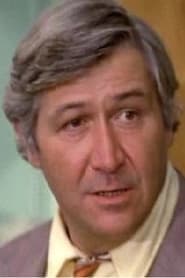
Halloween III: Season of the Witch arrived in 1982 as a boldly unconventional third installment—and that's putting it diplomatically. Original creators John Carpenter and Debra Hill returned as producers, but the film was written and directed by Tommy Lee Wallace in his feature-length directorial debut. The decision to abandon Michael Myers entirely was intentional: Carpenter and Hill had always envisioned the Halloween franchise as an anthology series, each installment a standalone horror story united only by seasonal theme. The De Laurentiis Company produced the film, and the cast included Tom Atkins as the increasingly desperate Dr. Challis, Stacey Nelkin as a young woman swept into the conspiracy, and Dan O'Herlihy as the chilling Conal Cochran—a performance that carries the film's most unsettling moments. The runtime clocks in at 98 minutes, lean and deliberately paced. Box office returns were disappointing; audiences expecting Michael Myers felt betrayed by the tonal and narrative shift. The film earned a modest 5.2 rating on IMDb, a score that reflects the fractured reception it received upon release and, to some extent, continues to receive. It wasn't nominated for major awards, but that's partly because the horror establishment didn't quite know what to make of it. Was it science fiction? A corporate thriller? A folk-horror parable? The answer is yes to all three, which made it difficult to market in 1982—and it still doesn't fit neatly into any single box.
What Makes Halloween III: Season of the Witch Stand Out
Here's the thing that's worth saying plainly: Halloween III: Season of the Witch is a genuinely weird film, and that's its greatest strength. The shift away from slasher conventions into sci-fi territory feels jarring at first, but the longer you sit with it, the more it reveals itself as something thoughtful—even prescient. The film taps into real anxieties about mass production, corporate control, and the commodification of childhood. Conal Cochran isn't just a villain; he's a character with ideology. He's angry at what Halloween has become: a hollow commercial holiday, stripped of its ancient, pagan roots. His plan to reclaim the night through mass manipulation is horrifying, yes, but there's a logic to his madness that the film respects. Tom Atkins carries the film with a world-weary charm; he's not a superhero, just a divorced doctor trying to survive a situation spiraling beyond his comprehension. What's striking is how the film allows him to be vulnerable, confused, even helpless. Stacey Nelkin holds her own against the male-dominated narrative, though the script doesn't always give her much to do. But it's Dan O'Herlihy's Cochran who lingers. He's polite, almost grandfatherly, which makes his revelations all the more unsettling. The film's slow-burn approach—building atmosphere through repetition, that hypnotic Silver Shamrock jingle, the sense that something's wrong but nobody can quite articulate what—works better on repeat viewings than it did in theaters. Critics have slowly warmed to it. Reviewers have noted that as a standalone horror-thriller, divorced from the Myers mythology, Season of the Witch actually holds up as an entertaining and genuinely eerie piece of work. It's not trying to be Halloween or Halloween II. It's trying to be something else entirely.
Where to Stream Halloween III: Season of the Witch Online
Halloween III: Season of the Witch is available on major OTT services, making it easier than ever to experience this cult oddity without hunting through specialty horror channels. Movie OTT tracks current streaming availability across multiple platforms, so you can check where it's playing in your region right now. The film's 98-minute runtime means it's a manageable watch—no sprawling four-hour commitment. Whether you're a devoted Halloween franchise completist or a horror fan curious about the road not taken, the film's accessible placement on mainstream streaming services removes the excuse to skip it. The Where to Watch widget at the top of this page shows every platform currently carrying the title, updated in real time.
Frequently asked questions
Q: Why doesn't Halloween III: Season of the Witch feature Michael Myers?
Director Tommy Lee Wallace and producers John Carpenter and Debra Hill intentionally abandoned Myers to establish the Halloween franchise as an anthology series, with each film telling a standalone horror story. The shift was creative vision, not budget constraint, though it certainly confused audiences expecting a familiar killer.
Q: Who directed Halloween III: Season of the Witch?
Tommy Lee Wallace wrote and directed the film in his feature-length directorial debut. The original Halloween creators, John Carpenter and Debra Hill, served as producers, lending credibility to Wallace's unconventional vision.
Q: Is Halloween III: Season of the Witch actually about Halloween?
It uses Halloween as thematic backdrop and setting, but it's more accurately a sci-fi corporate conspiracy thriller that critiques the commercialization of the holiday. The film explores what happens when ancient pagan traditions collide with modern mass production and marketing.
Q: What's the runtime of Halloween III: Season of the Witch?
The film runs 98 minutes, making it a relatively lean entry in the horror genre—short enough to sustain its slow-burn tension without overstaying its welcome.
Q: Is Halloween III: Season of the Witch worth watching if I don't like the other Halloween films?
Absolutely. Because it's so different from the Myers-centered films, it might actually appeal to viewers who found those entries repetitive. If you enjoy sci-fi horror, corporate conspiracy plots, or genuinely unsettling atmosphere over gore, this one's worth your time.
Final Thoughts on Halloween III: Season of the Witch
It's easy to dismiss Halloween III: Season of the Witch as a franchise misstep—and for decades, most people did. But there's something admirable about a horror film that refuses to play it safe, that's willing to alienate its built-in audience in service of a stranger, more ambitious idea. The film isn't perfect. Pacing drags in places. Some plot threads feel underdeveloped. But it's also weirdly brave, and that counts for something. If you're hunting for horror that doesn't follow the rulebook, that prioritizes atmosphere and idea over jump scares and familiar formulas, Halloween III: Season of the Witch deserves a spot in your queue.