




The story of Hot to Trot and its unlikely premise
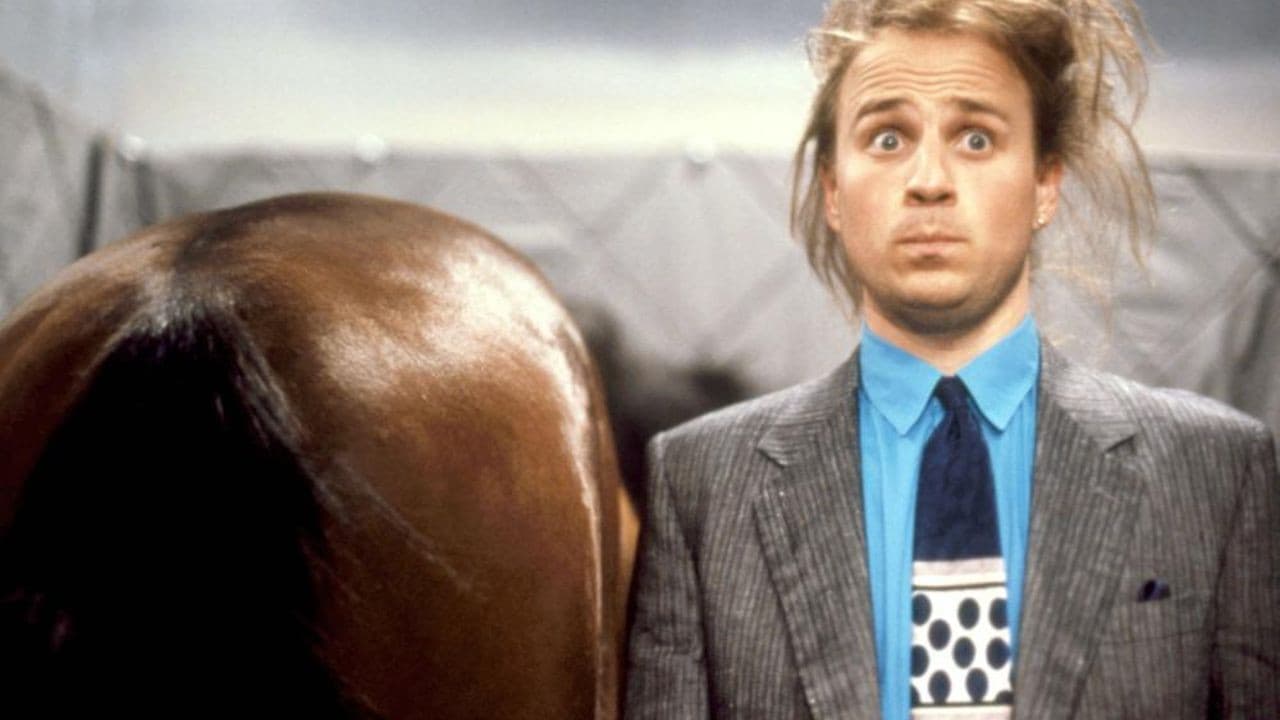
Hot to Trot is a film that doesn't waste time explaining itself. When Fred P. Chaney—an investment broker played by Bobcat Goldthwait—inherits his late mother's estate, he discovers something far more valuable than cash or property: a talking horse named Don who happens to be an expert on the stock market. What unfolds is a screwball comedy built on the kind of high-concept absurdity that only the late 1980s could greenlight with a straight face. Fred, initially skeptical and frankly bewildered by his new equine advisor, gradually comes to trust Don's market instincts as the two begin racking up profits in the cutthroat world of Chicago's financial trading floor. The film's central joke is simple but potent: a horse knows more about derivatives and bull markets than most brokers. It's the kind of premise that either makes you groan or lean in closer, depending on your tolerance for comedic chaos.
Behind the making of Hot to Trot: production, cast, and the studio machinery
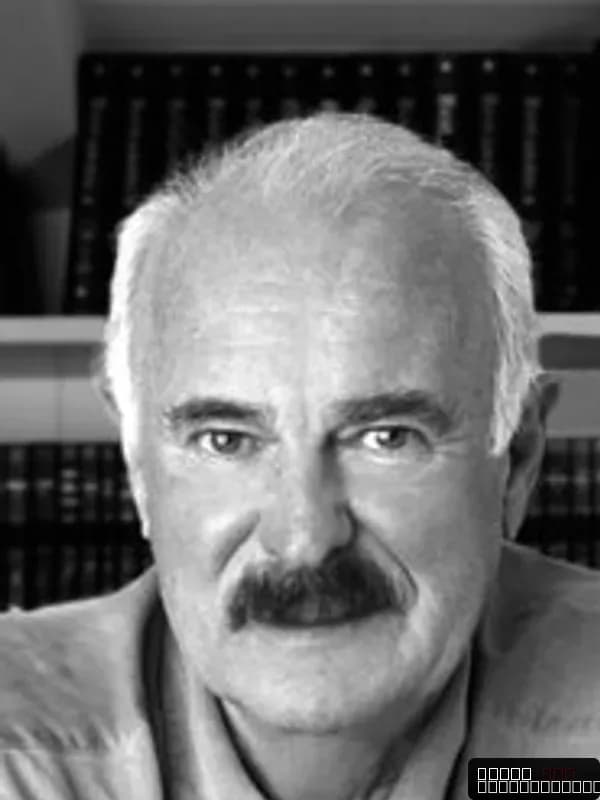
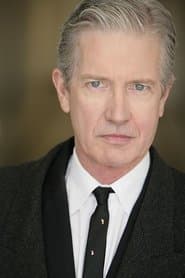
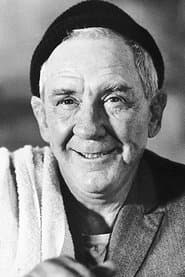
Warner Bros. Pictures and The Steve Tisch Company produced Hot to Trot in 1988, enlisting director Michael Dinner to steer the ship. Dinner had experience with comedy—he'd directed episodes of television comedies and understood the rhythms of ensemble humor, though this was a different beast entirely. The screenplay came from a creative team of four writers: Hugo Gilbert, Stephen Neigher, Charlie Peters, and Andy Breckman, suggesting that the script went through considerable rewrites and committee tinkering before landing on its final form. Bobcat Goldthwait anchors the film with his trademark manic energy, the kind of unhinged comedic presence that was still somewhat novel in mainstream cinema at that moment. Virginia Madsen, Jim Metzler, and Dabney Coleman round out the cast with supporting roles that ground the absurdity in recognizable character archetypes—the love interest, the rival broker, the skeptical authority figure. But the real draw, voice-wise, was John Candy, who brought Don the horse to life with a distinctive comedic rasp. Candy was already a comedy powerhouse, fresh off films like Uncle Buck and Planes Trains and Automobiles, so lending his voice to a wisecracking equine sidekick felt like a natural extension of his larger-than-life persona. The film ran 88 minutes—a brisk runtime that doesn't overstay its welcome—and earned an IMDb rating of 5.2 out of 10, indicating that critical and audience reception was decidedly mixed. Box office returns were modest, and the film never achieved the cult status or longevity of some of its contemporaries, though it remains a curiosity piece for anyone interested in the stranger corners of 1980s studio comedy.
What makes Hot to Trot stand out in '80s comedy
There's something almost defiant about Hot to Trot's willingness to commit fully to its ridiculous premise without winking at the camera too much. Goldthwait's performance is the engine here—his Fred Chaney is perpetually frazzled, caught between disbelief and desperation, which is exactly where you want your protagonist when he's taking stock tips from a horse. What's striking is that the film doesn't treat Don as a novelty act; instead, it treats him as a legitimate financial advisor who happens to be a horse, which creates an odd sort of internal logic that the script never quite abandons. The jokes land unevenly—some are genuinely clever plays on financial jargon and stock-market culture, while others feel like they're reaching for a laugh that doesn't quite arrive. Candy's voice work carries a lot of the comedic weight, delivering one-liners with the kind of deadpan timing that makes even weak material feel like it's got more punch than it deserves. The film also taps into the excess and greed of 1980s Wall Street culture, satirizing the world of high-stakes trading without ever becoming preachy or didactic about it. It's not a scathing indictment—it's more of a gentle ribbing delivered through the medium of a talking horse, which is perhaps the only way such satire could work in a mainstream comedy of that era. The performances, particularly Goldthwait's manic energy bouncing off Coleman's deadpan reactions, create moments where the absurdity becomes almost endearing.
Where to watch Hot to Trot online
Hot to Trot is available on major OTT services, and you can find the exact current streaming availability—which platforms are carrying it right now and which might be rotating it off their catalogs—by checking the Where to Watch widget at the top of this page. Streaming rights shift constantly, so what's available today might not be there next month, but Movie OTT tracks these changes in real time so you don't have to hunt across five different apps wondering where this 1988 comedy has landed. The film's 88-minute runtime makes it an easy fit for a casual weekend watch, the kind of thing you can queue up without committing to a massive time investment. If you're a completist hunting down every Bobcat Goldthwait or John Candy project, or if you're just curious about the weirder edges of '80s studio comedy, knowing exactly where to find it beats the guessing game.
Frequently asked questions
Q: Who directed Hot to Trot?
Michael Dinner directed the film, bringing his television comedy background to this feature-length venture about a talking horse and the stock market.
Q: What year was Hot to Trot released?
The film came out in 1988, right in the thick of the go-go '80s when the stock market was booming and apparently the time was right for a movie about an equine financial advisor.
Q: Is Hot to Trot based on a true story?
No, it's entirely fictional—a high-concept comedy premise that exists purely in the realm of imagination, though it does riff on the real culture of aggressive stock trading and Wall Street excess.
Q: How long is Hot to Trot?
The film runs 88 minutes, a tight runtime that keeps the premise moving without dwelling too long on any single joke or scene.
Q: Who voices the horse in Hot to Trot?
John Candy provides the voice of Don, the wisecracking horse, lending his distinctive comedic timing to the film's central gimmick.
Final thoughts on Hot to Trot
Hot to Trot isn't a masterpiece, and it's not even a particularly well-remembered film outside of niche comedy circles. But it's exactly the kind of unhinged, high-concept comedy that feels increasingly rare in modern studios, where the risk calculus has gotten so conservative that a talking horse giving stock tips would probably get rejected in a pitch meeting before anyone even said the word "greenlit." For viewers who appreciate Bobcat Goldthwait's particular brand of manic energy, or who are hunting down every obscure Candy voice role, or who simply want to experience what late-'80s comedy looked like when filmmakers still believed audiences would show up for genuinely weird premises—this one's worth a look. It won't change your life. It probably won't even make you laugh out loud. But it'll remind you that cinema once had room for the strange.