






The Story of No Greater Love
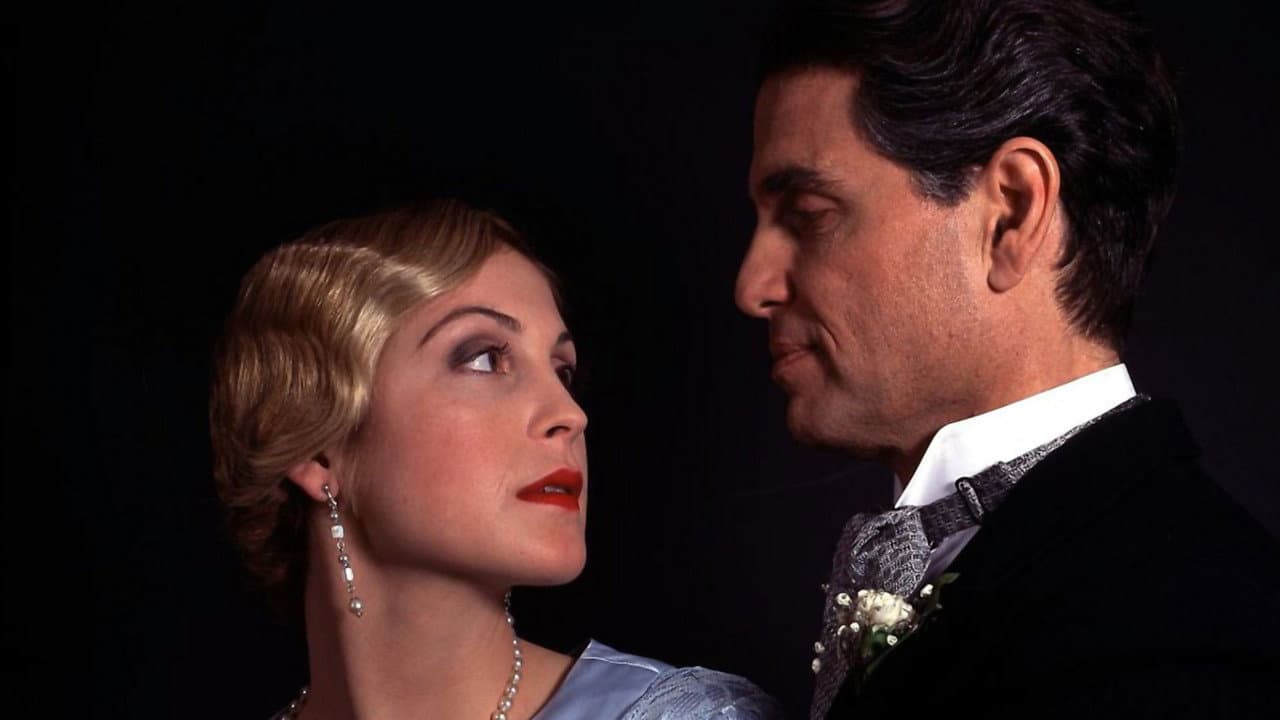
No Greater Love tells the story of Edwina Winfield, a young woman whose world collapses the night the Titanic sinks. In a single catastrophic moment, she loses her parents and her fiancé — the three people she'd built her future around. What's left behind is a fractured family and a newspaper empire that won't run itself. Edwina steps into the void with the kind of grim determination that looks noble at first, then gradually reveals itself as something closer to self-erasure. She becomes the pillar holding everything up, the one who doesn't get to fall apart, the one who doesn't get to be young and in love and reckless. Instead, she's a caretaker. A businesswoman. A ghost of who she might have been.
Behind the Making of No Greater Love
No Greater Love arrived in 1995 as an NBC television movie, a format that was still a significant player in the network's programming strategy during that era. The film ran 105 minutes, giving it enough breathing room to develop Edwina's emotional journey without feeling rushed—a luxury that made-for-TV dramas didn't always afford themselves. NBC Productions handled the production, bringing to the project the kind of mid-90s sensibility that balanced melodrama with genuine attempts at character depth. The cast brought a mix of established television talent and younger performers hungry to prove themselves in a prestige period piece. While it didn't crack the box office (television movies rarely did, operating in their own ecosystem), the film found its audience among viewers who tuned in for quality drama on a Sunday night. The IMDb rating of 5.182/10 reflects the mixed reception—some found it a moving portrait of duty and sacrifice, while others felt it leaned too heavily into soap-opera territory. That tension between sincere emotion and melodramatic excess is baked into the DNA of the film.
What Makes No Greater Love Stand Out
What's striking about No Greater Love is how it refuses to let Edwina off the hook—and I mean that as a compliment. The film doesn't position her as a saint. Instead, it shows us the cost of martyrdom in real time. Her siblings don't thank her for her sacrifice; they resent her for it. They want autonomy. They want to grieve in their own way. They want a sister, not a substitute parent barking orders at them. The screenplay understands something that feels increasingly relevant: that self-sacrifice can become another form of control, that saying "I'm doing this for you" can be a way of avoiding your own pain. The performances anchor this contradiction without resolving it. Edwina's forcefulness—the very thing that keeps the family afloat—is also what pushes people away. She's simultaneously the hero and the problem. That's not a flaw in the writing; it's the whole point. The Titanic disaster functions not just as a plot device but as a permanent shadow hanging over every decision. The memory of her lost love haunts her, yes, but so does the guilt of surviving when so many didn't. New suitors arrive, offering escape routes, but she can't take them because accepting happiness feels like betrayal.
Where to Stream No Greater Love Online
No Greater Love is currently available on major OTT services, and you can check the Where to Watch widget at the top of this page to find exactly which platform has it in your region right now. Streaming rights shift constantly, so if you're planning to watch, that widget will give you the most up-to-date information on where the film is streaming today. Movie OTT tracks these availability changes across all the major platforms, making it easy to find what you want to watch without the frustration of bouncing between apps. Since this is a 1995 made-for-TV movie, it tends to show up on services that carry classic NBC programming and period dramas—exactly the kind of title that finds new life on streaming platforms where viewers actively hunt for hidden gems.
Frequently Asked Questions
Q: Is No Greater Love based on a true story?
While the film uses the real historical tragedy of the Titanic as its backdrop, Edwina Winfield is a fictional character created for the drama. The film blends historical setting with invented personal narrative, using the disaster as a catalyst for exploring themes about duty, family, and self-sacrifice.
Q: Who directed No Greater Love?
The film was directed for television by NBC Productions in 1995. While it doesn't carry the prestige of a theatrical release, the production values reflect the quality standards of prestige TV movies from that era.
Q: How long is No Greater Love?
The film runs 105 minutes, which gives it substantially more time to develop character and emotional arcs than a standard one-hour television episode, allowing the story to breathe and the relationships to feel lived-in.
Q: What genre is No Greater Love?
It's classified as a TV movie drama with romantic elements, blending historical setting with intimate character study and the kind of emotional tension that defined 1990s television cinema.
Q: Does Edwina end up with anyone in No Greater Love?
That's the central question the film grapples with—whether Edwina can break free from her self-imposed duty and allow herself to have a life beyond her family's needs. The answer isn't a simple yes or no, which is precisely what makes the ending resonate.
Final Thoughts on No Greater Love
No Greater Love works best if you come to it not expecting a neat resolution but rather an honest reckoning with how sacrifice and love can become entangled in unhealthy ways. It's a film about the Titanic that's really about something else entirely—the slow drowning that happens when you forget to save yourself. If you're drawn to period dramas that prioritize emotional truth over spectacle, or if you're interested in how 1990s television tackled complex female characters, this one's worth your time. The film doesn't have all the answers, and that's exactly what makes it worth watching.