







The Story of A Killer in the Family
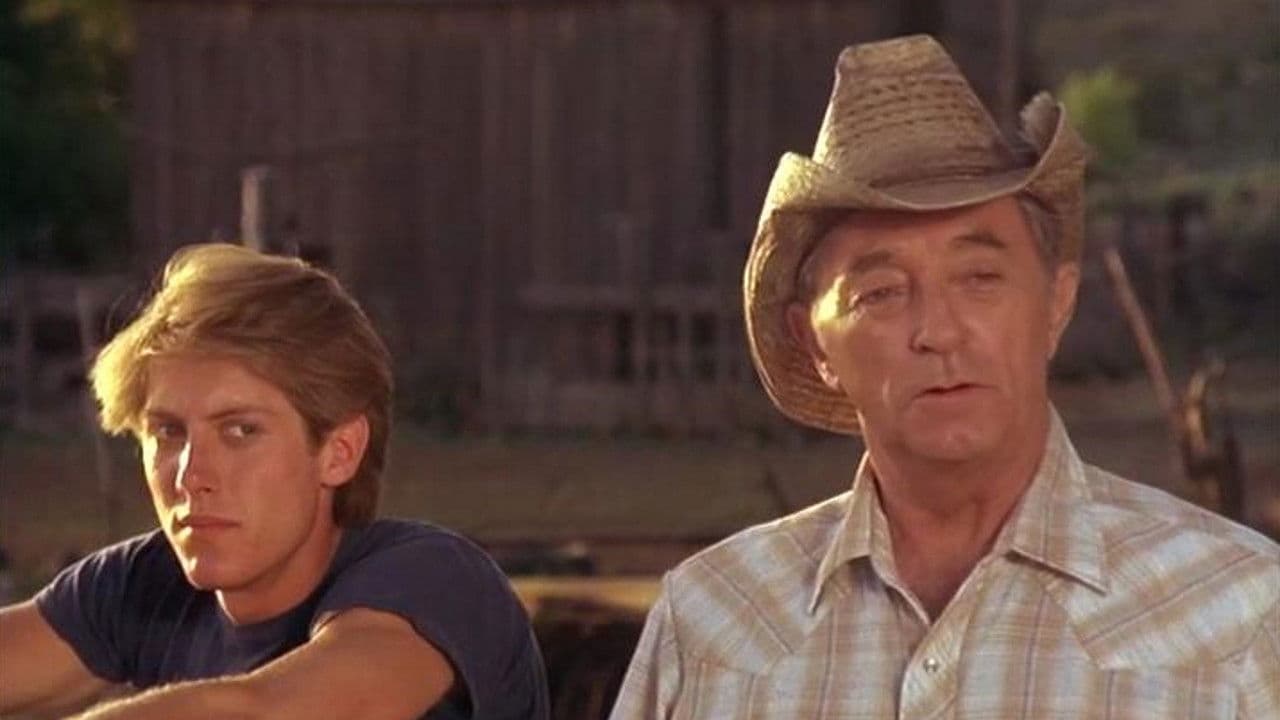
A Killer in the Family opens on a premise that sounds almost too dark for network television: three teenage boys orchestrate a prison break to reunite with their father, only to discover that the man they've sprung is a genuine sociopath with a taste for murder. What follows isn't a redemption arc or a tale of misguided loyalty—it's a downward spiral into violence that would shock America and inspire a feature film decades later. The story unfolds across Arizona in 1978, tracing the chain of events that turned one family's desperate gamble into a body count. Released on ABC on October 30, 1983, the film doesn't shy away from the moral complexity: these boys aren't villains at the outset, yet their actions set a murderer free. That tension—between sympathizing with the sons and recoiling from their father's brutality—is what makes this more than just another crime-of-the-week procedural.
Behind the Making of A Killer in the Family
Directed by Richard T. Heffron, A Killer in the Family was produced by Stan Margulies Productions and Sunn Classic Pictures, a studio known for bringing true-crime narratives to television audiences during the 1980s. The film's 90-minute runtime was compressed to fit the constraints of network television, a format that actually works in its favor—there's no fat here, no subplot padding. What's remarkable is that this was made-for-TV drama in an era when such productions could still command serious production values and serious casting. The film aired during prime time on one of the three major networks, a slot that demanded both accessibility and a certain restraint; you won't find graphic gore, but you'll find genuine menace. Warner Home Video later released it on DVD in 2010, making it available to viewers who'd missed the original broadcast or wanted to revisit it. The IMDb rating of 6.5/10 reflects a mixed audience response—some viewers found it a gripping true-crime adaptation, while others felt the TV-movie constraints held it back from exploring the psychological depths the material deserved. For context on what's currently streaming, check the Where to Watch widget at the top of this page, which tracks where A Killer in the Family is available right now across major OTT services.
Why A Killer in the Family Stands Out in 1980s Crime Television
What makes A Killer in the Family work, even decades later, is its refusal to let anyone off the hook—not the father, obviously, but not the sons either. They're sympathetic, sure, but the film doesn't wallow in their victimhood or excuse their choices. That's a harder line to walk than it sounds, and it's what separates this from true-crime melodrama. The performances anchor everything; the cast brings a kind of exhausted desperation to their roles, as if they're all trapped in a situation none of them quite understand until it's too late. The pacing is relentless. There's no winking at the camera, no moment where we're invited to feel clever about the plot's twists—the film simply moves forward, documenting one bad decision after another, each one feeling inevitable in hindsight. I keep coming back to how the film treats the violence: it's not gratuitous, but it's also not soft-pedaled. When something terrible happens, it matters. The cinematography has that flat, slightly desaturated look of early-80s TV production, which somehow makes the whole thing feel more real, more like you're watching a documentary than a dramatization. What's striking is that the film doesn't try to be bigger than it is—it's a modest production, but it uses that modesty as a strength, letting the story breathe without Hollywood polish getting in the way.
Where to Stream A Killer in the Family Online
A Killer in the Family is currently available on major OTT services, and Movie OTT tracks streaming availability across platforms in real time, so you can find exactly where to watch it without clicking through multiple sites. Since the film's availability can shift depending on licensing agreements, the Where to Watch widget above will show you the most up-to-date list of platforms carrying it right now. Whether you're a true-crime enthusiast or someone who appreciates solid 1980s television drama, the streaming services that carry this title make it easy to access from home. The 90-minute runtime means it's a lean watch—perfect for an evening if you want something gripping without a massive time commitment.
Frequently asked questions
Q: Is A Killer in the Family based on a true story?
Yes, the film is based on the Tison v. Arizona case, which took place in Arizona in 1978. The real crime spree and the family dynamics at its center inspired this dramatization, though the film compresses and shapes events for narrative purposes.
Q: Who directed A Killer in the Family?
Richard T. Heffron directed the film. He was known for his work in television drama during the 1970s and 1980s, bringing a documentary-like realism to his storytelling.
Q: How long is A Killer in the Family?
The film runs 90 minutes, making it a tight, efficient crime drama that doesn't overstay its welcome.
Q: When did A Killer in the Family originally air?
The film premiered on ABC on October 30, 1983, as a made-for-television movie during prime time.
Q: What's the IMDb rating for A Killer in the Family?
The film holds a 6.5/10 rating on IMDb, reflecting a mixed but generally positive response from viewers who appreciate its unflinching approach to the subject matter.
Final Thoughts on A Killer in the Family
A Killer in the Family isn't going to win any awards for subtlety or psychological depth—it's a TV movie from 1983, and it wears that identity honestly. But that's precisely why it works. There's something refreshing about a crime drama that trusts its audience to understand the moral weight of what's happening without spelling it out. If you're drawn to true-crime stories that focus less on procedural puzzle-solving and more on the human wreckage left behind, this one's worth your time. It's the kind of film that lingers a bit after the credits roll, not because it's flashy, but because it's fundamentally unsettling in the right way.