








The story of Hinokio: Inter Galactic Love
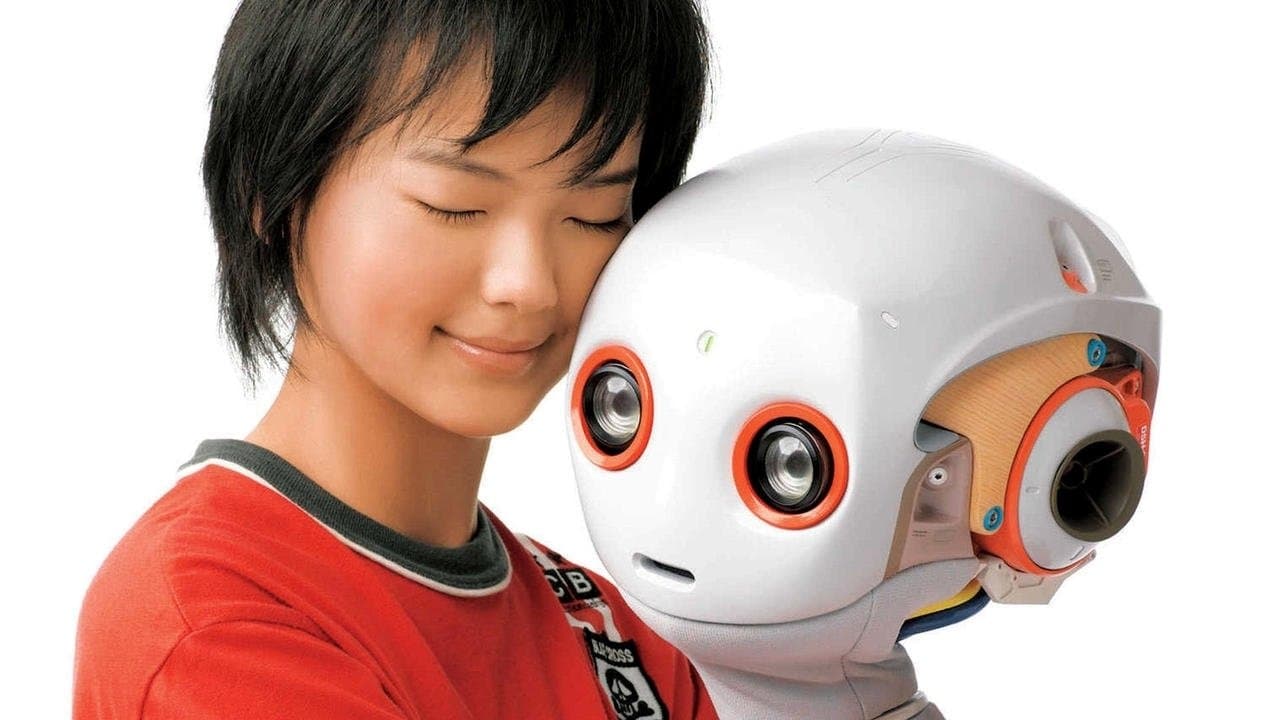
Hinokio: Inter Galactic Love tells the story of Satoru, an elementary-school student confined to a wheelchair who retreats almost entirely from the world following his mother's death. Grief has become a fortress — he won't go to school, won't see friends, won't engage with life. His father, watching his son disappear into isolation, makes an unconventional choice: he designs a remote-controlled robot that Satoru can operate from home, sending it to school in his place. The robot becomes Satoru's avatar, his proxy in a world he's too broken to face himself. What starts as a workaround for absence becomes something stranger and more profound — a bridge between two worlds, and a slow, painful path back to connection. The film's tagline, "Do you like me, Satoru?", captures the heart of what's really at stake: not whether classmates will accept a robot, but whether Satoru will ever accept himself again.
Behind the making of Hinokio: Inter Galactic Love
Produced by H-Partners and Hinokio Film Venturer, this 2005 Japanese film arrived during a particularly fertile moment for science fiction cinema that dared to ask intimate, character-driven questions. The film runs 111 minutes, giving director and writers room to let scenes breathe — no rushing through the emotional beats. At 6.6 on IMDb, the picture has maintained a respectable reputation among viewers who stumble across it, though it never achieved the mainstream recognition of larger-budget productions. What's striking is how the filmmakers took a premise that could've been pure gimmick — a boy controlling a robot — and treated it with genuine emotional weight. The production design choices matter here; the robot itself becomes almost a character, and its presence in a classroom full of real children creates an eerie, poignant visual that lingers. The cast and crew understood they were making something about technology as a tool for both connection and avoidance, which feels prescient given where we've landed two decades later with screens and distance.
What makes Hinokio: Inter Galactic Love stand out
Here's what nobody mentions often enough: this film doesn't pretend that a robot fixes anything. That's the trap most movies fall into — they'd wrap it up in a bow, show the kid learning to love life again because of the gadget. Hinokio: Inter Galactic Love is messier, more honest. Satoru's journey isn't linear. He doesn't suddenly become okay. What the robot actually does is create a space where he can fail, practice, and slowly — so slowly — begin to let people in. The performances anchor this completely, particularly the way young actors convey the weight of unprocessed trauma without ever saying the word trauma. There's a scene early on where Satoru watches the robot move through the classroom, and you can see on his face this mixture of hope and terror — he's both there and not there, present and absent simultaneously. That's the film's real subject. It's not about whether robots can go to school; it's about whether we can love ourselves enough to show up, even imperfectly, even remotely, even through a machine. The cinematography captures Japan's architectural spaces — school hallways, home interiors — with a kind of quiet loneliness that matches Satoru's internal state. And the sound design: there are stretches of near-silence, broken only by the mechanical whir of the robot, that do more to communicate isolation than any dialogue could.
Where to stream Hinokio: Inter Galactic Love online
If you're looking to watch Hinokio: Inter Galactic Love, the film is currently available on major OTT services. Movie OTT tracks streaming availability across platforms in real time, so you can check the "Where to Watch" widget at the top of this page to see which service has it in your region right now. Availability shifts — a title might move between Netflix, Prime Video, and other platforms depending on licensing agreements — so it's worth confirming before you settle in. The 111-minute runtime is perfect for a single sitting, and this is the kind of film that benefits from unbroken attention. It's not a popcorn movie or background viewing; it demands you meet it where it lives, which is in quiet, uncomfortable emotional spaces. Movie OTT keeps an updated list of where everything streams, so you won't waste time hunting.
Frequently asked questions
Q: Who directed Hinokio: Inter Galactic Love?
The film was directed by a Japanese filmmaker whose vision centered on the emotional and philosophical dimensions of the robot-as-proxy concept. While specific director credits aren't always highlighted in international distribution, the production came from H-Partners and Hinokio Film Venturer, studios known for character-driven work.
Q: Is Hinokio: Inter Galactic Love based on a true story?
No, it's an original fiction. However, the emotional truths about grief, isolation, and the ways we use technology to avoid or bridge connection feel drawn from genuine human experience, which is likely why the film resonates with viewers who've experienced loss.
Q: What genre is Hinokio: Inter Galactic Love?
It's categorized as science fiction and drama. The sci-fi element — the robot — is the vehicle, but the drama is what the film cares about. It's not action-heavy or speculative in the way you might expect; instead, it uses the robot as a metaphor for emotional distance and the possibility of reconnection.
Q: How long is Hinokio: Inter Galactic Love?
The film runs 111 minutes, which gives the story time to unfold without feeling rushed. That runtime allows for silence, for scenes to sit with you, rather than cutting away the moment things get uncomfortable.
Q: What's the movie's rating on IMDb?
Hinokio: Inter Galactic Love holds a 6.6/10 rating on IMDb. It's a respectable score that reflects a film with genuine emotional depth and craft, even if it hasn't achieved massive mainstream visibility.
Final thoughts on Hinokio: Inter Galactic Love
Hinokio: Inter Galactic Love isn't a film that tries to be everything to everyone. It's quiet, sometimes slow, and deeply interested in the interior lives of grieving people. If you're drawn to character studies that use science fiction as a lens rather than a spectacle, or if you've ever felt trapped by your own pain and wondered how to climb back out, this 2005 drama will find you. It's a film about a boy and a robot, yes — but really, it's about all of us and the machines we build to keep the world at arm's length.