The story of Land of Silence and Darkness
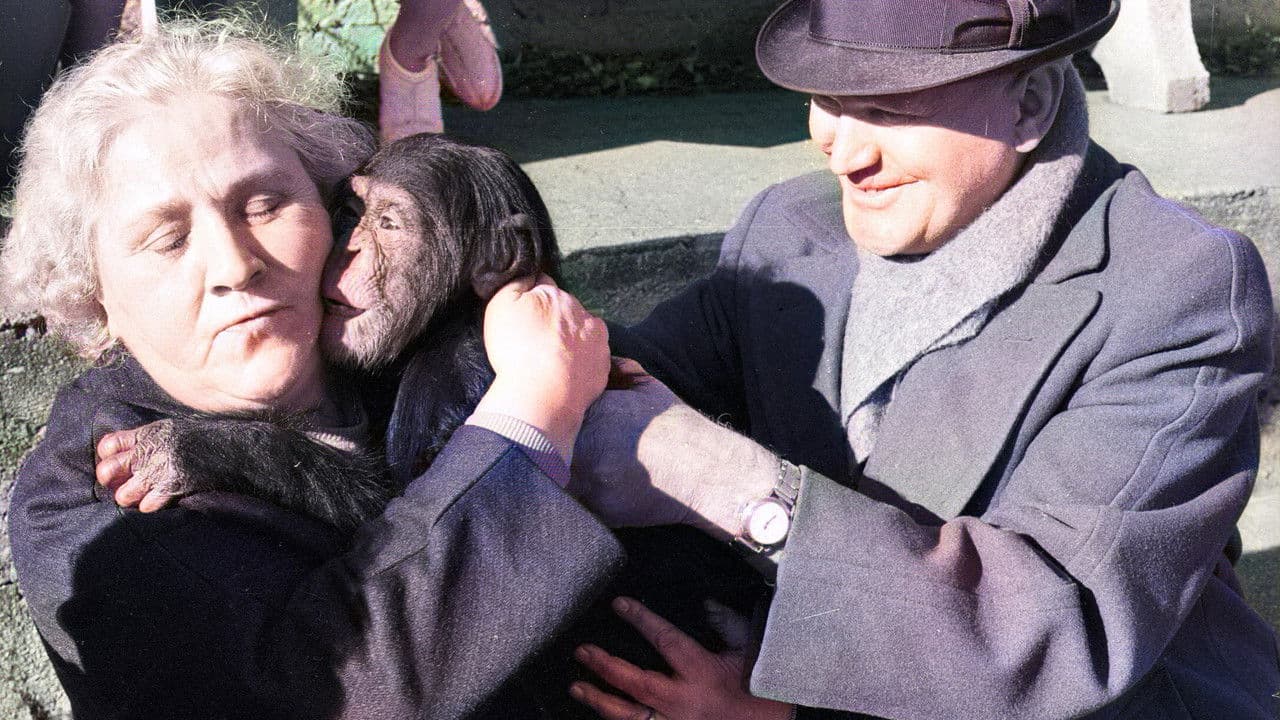
Werner Herzog's Land of Silence and Darkness isn't your typical documentary. It's a 1971 film that centers on Fini Straubinger, an elderly woman who's been deaf and blind since her teenage years, and her tireless work advocating for other deaf-blind people trapped in near-total isolation from the world. The film doesn't exploit her condition for sympathy—it's far more subtle and unsettling than that. Instead, Herzog uses Straubinger's life as a window into how the deaf-blind navigate existence when almost every conventional form of human connection is stripped away. We watch her make contact with others like herself, communicating through touch, through gesture, through sheer force of will. The film asks uncomfortable questions: How do you live when you can't see or hear? How do you find meaning? How do you reach out when the world has, in effect, shut you out?
Behind the making of Land of Silence and Darkness
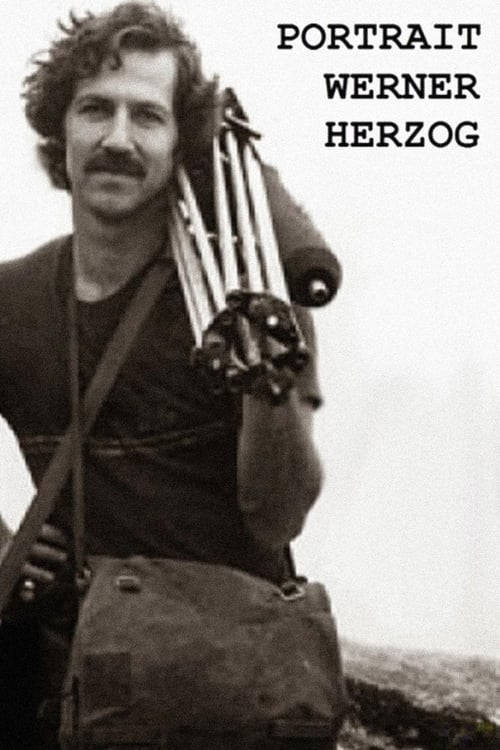
Herzog wrote, directed, and produced Land of Silence and Darkness himself, backed by Werner Herzog Filmproduktion and the Referat für Filmgeschichte. The film clocks in at 85 minutes—lean, focused, refusing to waste a moment. Rolf Illig provided the narration, a crucial element that grounds the viewer without overwhelming the intimate moments Herzog captures on camera. This wasn't a big-budget studio affair; it was a deliberate, personal project from a filmmaker already known for his unflinching gaze at human extremity (he'd made Aguirre, the Wrath of God just two years earlier). The production approach was observational, almost anthropological—Herzog and his crew embedded themselves with Straubinger and the deaf-blind community, allowing moments to unfold rather than forcing narrative arcs. The film earned a respectable 7.453 rating on IMDb, which for a documentary of this intensity speaks to its power. It didn't chase mainstream box office success; instead, it found its audience among film festivals, cinephiles, and anyone willing to sit with discomfort for 85 minutes. What's striking is that Herzog never condescends to his subjects. He doesn't position them as objects of pity but as fully realized humans working within constraints most of us can barely imagine.
What makes Land of Silence and Darkness stand out
The thing nobody mentions when they talk about this film is how quiet it is—not silent, but genuinely quiet in a way that forces you to listen. There's no swelling orchestral score manipulating your emotions. There's no voiceover explaining what you should feel. Instead, Herzog lets the textures of lived experience speak: the sound of hands touching, of voices communicating in ways we don't typically encounter, of silence itself becoming almost a character. When Straubinger makes contact with another deaf-blind person, the scene carries a weight that feels almost sacred. You're witnessing connection happening in real time, and it's nothing like what you'd expect. The film's power comes from Herzog's refusal to sentimentalize or dramatize. He shows Straubinger's frustrations, her determination, her occasional moments of dark humor—she's a complete person, not a symbol. Critics and documentarians have long recognized this as one of Herzog's essential works, a film that doesn't just observe a subculture but genuinely interrogates what it means to be human when your primary tools for understanding the world are gone. Movie OTT helps track where independent documentaries like this one are currently streaming, since they often move between platforms.
Where to stream Land of Silence and Darkness online
You'll find Land of Silence and Darkness available on major OTT services—the streaming-platform landscape has finally caught up with Herzog's back catalog in recent years. The film's availability varies by region and subscription tier, so checking the Where to Watch widget at the top of this page will show you exactly which services carry it right now in your area. If you're a serious documentary viewer, it's worth hunting down; this isn't the kind of film that disappears from streaming and then resurfaces six months later. Once you find it, set aside an evening when you won't be distracted. The 85-minute runtime moves fast, but the experience demands your full attention. Movie OTT's platform tracker makes it simple to see whether it's on your current subscriptions or if you need to add a service.
Frequently asked questions
Q: Who directed Land of Silence and Darkness?
Werner Herzog wrote, directed, and produced the film. It's a deeply personal project from one of cinema's most distinctive voices, made in 1971 when he was already establishing himself as a major filmmaker.
Q: Is Land of Silence and Darkness based on a true story?
Yes. The film follows the real life of Fini Straubinger, an actual deaf-blind woman who dedicated herself to helping other deaf-blind people navigate their isolation and connect with the world.
Q: How long is Land of Silence and Darkness?
The film runs 85 minutes, which is relatively concise for a documentary. Herzog doesn't waste time, and every moment serves the larger vision.
Q: What's the IMDb rating for Land of Silence and Darkness?
The film holds a 7.453/10 rating on IMDb, a solid score for a documentary that doesn't chase broad appeal but instead rewards patient, thoughtful viewers.
Q: Can I watch Land of Silence and Darkness on streaming services?
Yes. The film is available on major OTT platforms. Use the Where to Watch widget on this page to find current availability in your region.
Final thoughts on Land of Silence and Darkness
Herzog's Land of Silence and Darkness isn't comfortable viewing, and that's exactly why you should watch it. It refuses easy answers, refuses to turn suffering into inspiration porn, refuses to let you look away and feel good about yourself for caring. Instead, it presents human dignity in its most stripped-down form—people reaching across impossible distances to touch another person's hand. That's the whole story. That's everything. If you're looking for documentaries that actually mean something, that'll make you reconsider what you think you know about resilience and connection, this is essential. It's the kind of film that reminds you why cinema matters in the first place.