





The Story of Madame X: Identity, Exile, and Redemption
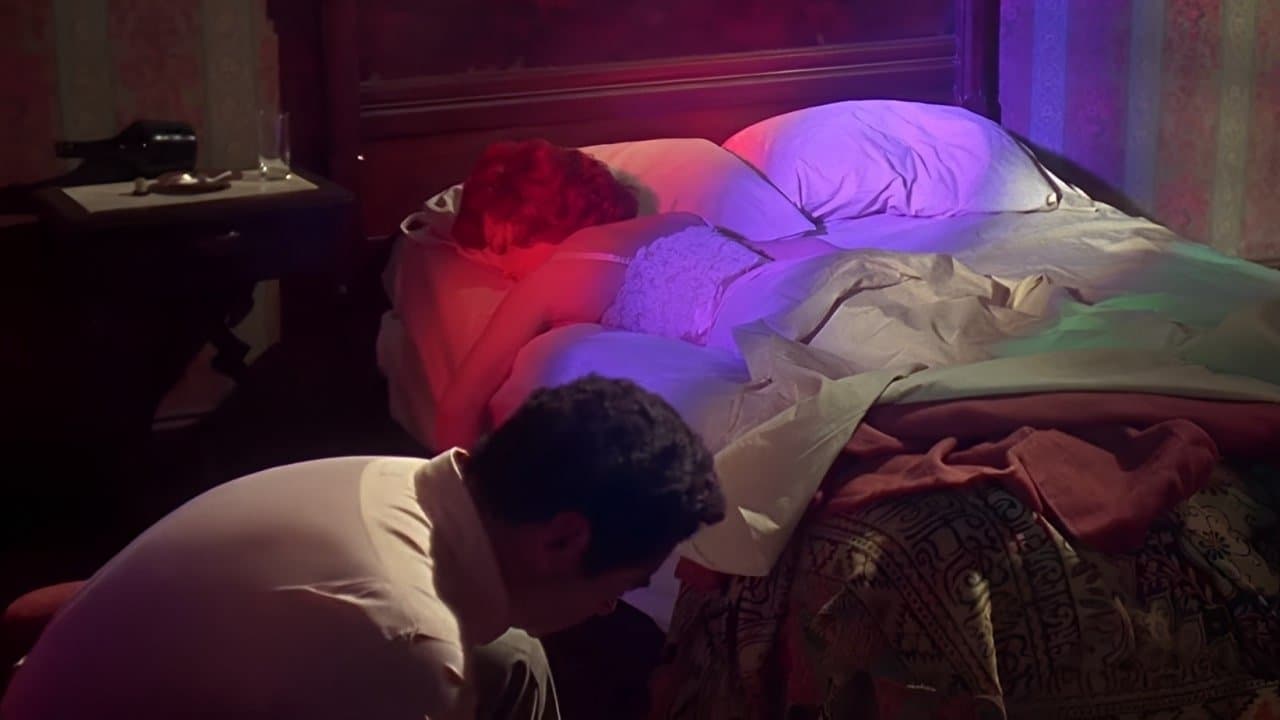
Madame X isn't your typical courtroom thriller. The 1966 film opens with a woman in crisis—Holly Parker, wife of a wealthy American diplomat, caught in the aftermath of a man's death. An accident, not a crime, but one that threatens everything: her marriage, her reputation, her very place in society. Her domineering mother-in-law sees only one solution: Holly must disappear. Not die, exactly, but cease to exist as herself. She'll abandon her infant son, her name, her life as she knew it. What follows is fifteen years of wandering—through Europe, through bars, through the arms of men who'll never know who she really is. The film's genius lies in how it holds this premise: a woman erased by circumstance, surviving on false identities and alcohol, until one final act of desperation brings her back to face justice.
When Holly returns to the city where her tragedy began, she encounters a blackmailer—someone who knows her secret and means to exploit it. In a moment of rage or self-preservation (the film leaves this deliciously ambiguous), she kills him. Now she's arrested for murder. And now comes the cruel twist that gives the film its emotional spine: her defense attorney is her own son, now a successful public defender, who has no idea that the woman in the dock is his mother. She won't tell him. She won't tell anyone. She'll be known only as "Madame X"—a stranger to the law, a ghost to her own child.
Behind the Making of Madame X: Production, Cast, and Awards
Madame X arrived in 1966 as a Universal Pictures production under the banner of Ross Hunter Productions, a unit known for glossy, emotionally charged dramas aimed at mature audiences. Director David Lowell Rich helmed the picture with a visual sophistication that elevated what could've been mere melodrama into something more layered and psychologically complex. The film's pedigree was impeccable: Lana Turner, the legendary MGM star, carried the lead role with the weight of her own storied career behind her—a woman who'd lived through public scandal and private tragedy, bringing that lived experience to a character defined by secrets.
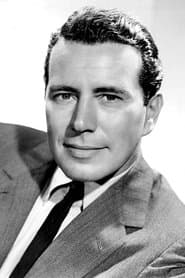
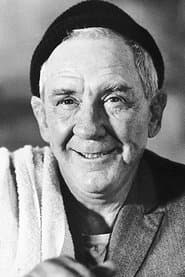
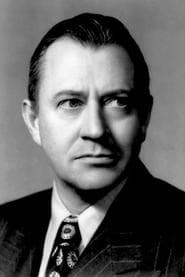
The supporting cast reads like a who's who of 1960s Hollywood. John Forsythe, soon to become a television icon through shows like Dynasty, played Holly's diplomat husband with a mixture of weakness and moral confusion. Ricardo Montalbán brought his characteristic charm and danger to a pivotal role, while Burgess Meredith—that voice, that presence—added gravitas as a figure from Holly's past. Keir Dullea, in an early career role, portrayed the son who must defend his own mother without knowing it. Constance Bennett, in what would be one of her final film roles, commanded scenes as the icy, manipulative mother-in-law who sets the entire tragedy in motion.
The film ran 100 minutes and earned respectable box office returns for a drama of its type. While it didn't become a massive blockbuster, it found its audience among viewers who appreciated character-driven stories and moral ambiguity. The picture earned an IMDb rating of 6.4/10, reflecting a film that critics and audiences recognized as competent and engaging, if not universally beloved. Movie OTT tracks films like this—mid-century dramas with strong casts and emotional depth—across multiple streaming platforms, making it easier to discover titles that might otherwise slip into obscurity.
What Makes Madame X Stand Out: Performance and Moral Complexity
The real power of Madame X lies in how it refuses easy answers. What's striking is that the film doesn't judge Holly for her choices—it simply shows us the cost of them. Turner's performance is restrained in a way that's almost shocking for an actress of her stature. She doesn't play victimhood; she plays survival. There's a scene roughly midway through where Holly sits alone in a European nightclub, and we see her not as a tragic heroine but as a woman who's learned to exist in a kind of emotional numbness. That's the performance—the absence of feeling, the mechanism of getting through each day.
The film's central conceit—that Holly must remain silent even when her own son is defending her—taps into something primal about parent-child relationships and the lies we tell to protect the people we love. She'd rather face conviction than let her son discover what she's become. Hard to say if that's nobility or just another form of selfishness, and the film doesn't pretend to know. It's this moral ambiguity that keeps Madame X from feeling like a relic. The script, adapted from Alexandre Bisson's 1908 French play, translates the old-fashioned melodrama into something that speaks to 1960s anxieties about identity, reputation, and the role of women in society—particularly women who've stepped outside the boundaries of respectability.
Forsythe and Dullea work beautifully against Turner's quiet devastation. There's a moment in the courtroom where the son—unaware of his opponent's true identity—makes an impassioned argument about reasonable doubt, and we watch Holly listen to her own child defend her without knowing what he's doing. The tension is almost unbearable. What's remarkable is how the film sustains this secret across its runtime without ever feeling cheap or manipulative. It earns every emotional beat.
Where to Stream Madame X Online
Madame X is currently available on major OTT services, making it accessible to anyone curious about this particular corner of 1960s Hollywood. You won't have to hunt through obscure archives or wait for a cable broadcast—the film's streaming availability means you can experience it on your own schedule. Movie OTT's where-to-watch widget at the top of this page will show you exactly which platforms are carrying it right now, since streaming rights shift regularly. Whether you're in the mood for a classic drama on a weekend or you're working through a filmography of one of its stars, you'll find the current options listed there. The film's 100-minute runtime makes it manageable for a single sitting, though you might find yourself wanting to discuss it afterward.
Frequently Asked Questions
Q: Is Madame X based on a true story?
No, but it's based on a real play. The film adapts Alexandre Bisson's 1908 French stage play of the same name, which was itself a theatrical sensation. The core premise—a woman forced to hide her identity—is a work of fiction, though the emotional truths it explores feel grounded in real human experience.
Q: Who directed Madame X and what else has he done?
David Lowell Rich directed the film. He was a prolific television and film director throughout the 1960s and 1970s, known for his work on dramas and thrillers. While he didn't become as celebrated as some of his contemporaries, he had a steady hand with character-driven material.
Q: What's the main twist in Madame X?
The central revelation—which isn't really hidden from the audience—is that Holly's son doesn't know he's defending his own mother in court. The film builds tension around this secret and explores what happens when duty to the law collides with family bonds.
Q: How does Lana Turner's performance compare to her other roles?
Turner's work here is notably subdued compared to some of her more glamorous 1950s roles. She plays a woman worn down by years of hiding, and that restraint is actually more powerful than spectacle. It's one of her more mature, introspective performances.
Q: Where can I watch Madame X right now?
Check the where-to-watch widget at the top of this page for current streaming availability. The film rotates across major OTT services, so availability may change seasonally.
Final Thoughts on Madame X
Madame X won't blow your mind with innovation—it's a film made in 1966 that follows the conventions of its era. But it's also a film that understands something fundamental about human nature: the terrible price of secrets, the weight of identity, the way love and obligation can be indistinguishable. Turner's performance lingers. Don't sleep on it.