







The story of Memento Mori and its haunting premise
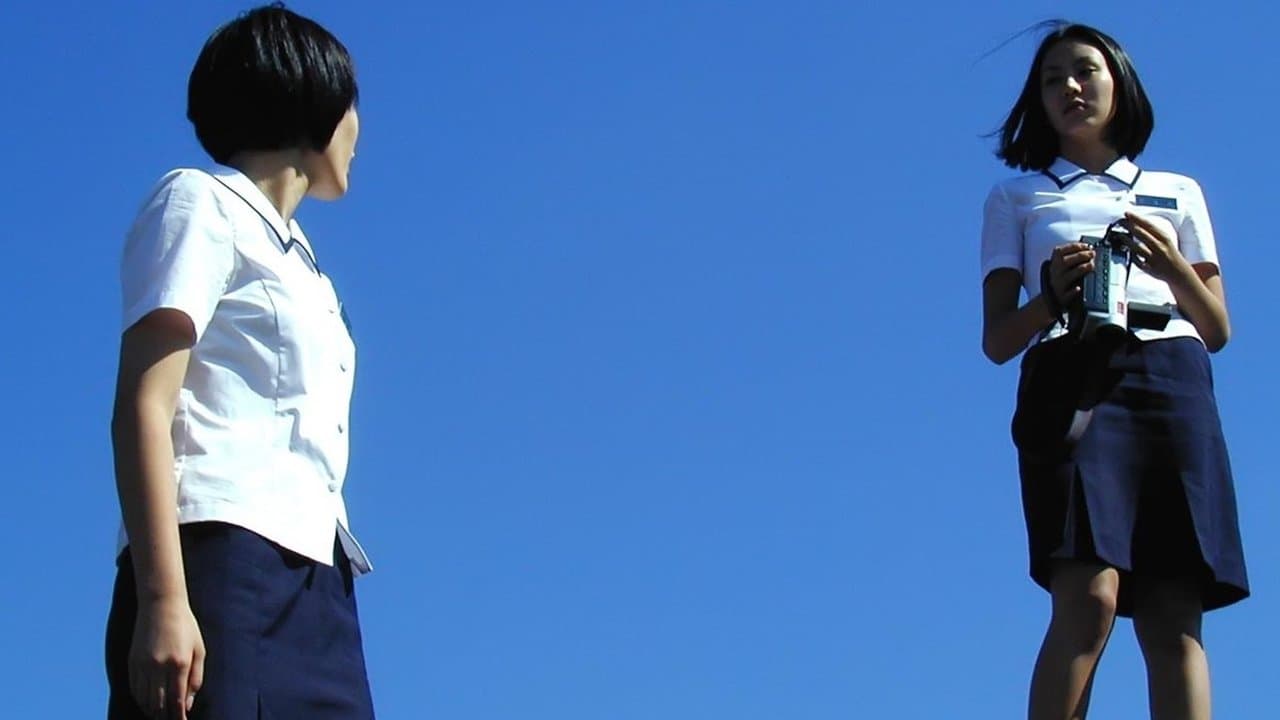
Memento Mori is a 1999 South Korean horror film that arrives as the second installment in the Whispering Corridors series, though it stands largely on its own. The film centers on a supernatural revenge narrative set within the confines of an all-girls high school—a claustrophobic world where secrets fester and cruelty goes unpunished. A young girl's ghost, bullied and rejected in life, returns to settle scores with those who tormented her. But the real emotional spine comes when another student discovers the dead girl's old diary, reading through entries that document forbidden love and the anguish of being cast out. It's a story about what happens when pain doesn't stay buried, when the past refuses to let go.
Behind the making of Memento Mori and its cultural significance
Produced by Cine2000, Cinema Service, and Mirovision, Memento Mori arrived at a pivotal moment in Korean cinema. The film's 98-minute runtime moves with deliberate pacing, allowing dread to accumulate rather than relying on jump scares. What makes the production history particularly noteworthy is its willingness to tackle subject matter that Korean society wasn't ready to openly discuss—the film is widely recognized as one of the first Korean commercial films to center lesbian characters and relationships. This wasn't a footnote in a larger narrative; it was central to the story. Yet prevailing attitudes in 1999 South Korea constrained its theatrical reach significantly, even as it targeted a teen audience who might've found the film's emotional honesty most resonant. The film's IMDb rating of 6.3/10 reflects a divided audience—some viewers embrace its bold thematic choices, while others found the execution uneven. What's striking is that the controversy itself became part of the film's legacy, a marker of how much Korean cinema has evolved in the decades since.
What makes Memento Mori stand out among Korean horror films
Here's the thing: Memento Mori doesn't fit neatly into the box of "just a horror movie." Yes, there are supernatural scares and the visual language of dread—but the film's real power lies in how it uses the genre as a vehicle for exploring isolation, desire, and the violence of social rejection. The performances anchor the film in genuine emotional stakes; this isn't camp or exploitation, even when the subject matter could've easily tipped that direction. What I keep coming back to is the diary sequences—those moments where we're reading the dead girl's private thoughts, watching her fall in love, watching her realize that love can't be hidden forever. That's where the horror becomes unbearable, not because of ghosts, but because of how human it all is. The film understands that the scariest thing isn't a phantom in the hallway; it's being seen, being known, and being destroyed for it. Viewers on streaming platforms often note that the film's emotional core lingers long after the supernatural plot wraps up—which is exactly what a good horror film should do. Movie OTT tracks where titles like this are currently streaming, helping you find these harder-to-locate international gems without endless searching.
Where to stream Memento Mori online
Memento Mori is available on major OTT services, though availability varies by region and changes regularly. The Where to Watch widget at the top of this page shows you exactly which platforms currently have it in your area—whether that's a subscription service, rental, or purchase option. Since Memento Mori isn't a mainstream Hollywood title, it's worth checking Movie OTT's aggregator data before assuming it's unavailable; Korean horror films from this era sometimes pop up on specialty streaming services or international catalogs that don't always get broad promotional push. If you're hunting for similar films from the Whispering Corridors collection or other late-90s Korean horror, the streaming landscape has actually become much more generous in recent years.
Frequently asked questions
Q: Is Memento Mori a sequel, and do I need to watch Whispering Corridors first?
Memento Mori is the second film in the Whispering Corridors series, but the films are otherwise unrelated—they share the all-girls high school setting but tell completely separate stories with different characters. You don't need to watch the 1998 original first, though fans of Korean horror often appreciate both.
Q: Who directed Memento Mori?
The film was directed by Park Oki-young and produced by Cine2000, Cinema Service, and Mirovision. It's a distinctly South Korean production from 1999.
Q: What's the runtime, and is it a long watch?
Memento Mori runs 98 minutes, so it's a fairly compact horror-drama that doesn't overstay its welcome. The pacing is deliberate rather than frenetic.
Q: Is Memento Mori based on a true story?
No, it's an original screenplay, though it explores very real themes of bullying, rejection, and the lasting trauma of social cruelty in high school environments.
Q: Why was Memento Mori controversial when it came out?
The film was groundbreaking for depicting lesbian characters and relationships in a Korean commercial film, but prevailing social attitudes in 1999 South Korea limited its theatrical distribution and audience reach, even though it was aimed at teens.
Final thoughts on Memento Mori
Memento Mori deserves to be rediscovered. Not as a curiosity or a historical artifact, but as a genuinely affecting film that uses horror conventions to explore what it means to be erased, rejected, and ultimately vengeful. It's imperfect—the pacing can drag, the supernatural mechanics don't always hold up to scrutiny—but it's also unafraid, which matters. The film's tagline, "Some secrets should never be revealed," captures the tragedy at its heart: that the most dangerous secrets are often the ones we keep about ourselves. If you're drawn to horror that works on an emotional level, or if you're interested in how Korean cinema has tackled LGBTQ+ themes over the past two decades, this is essential viewing.