
The story of Mindwalk
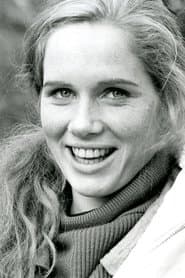
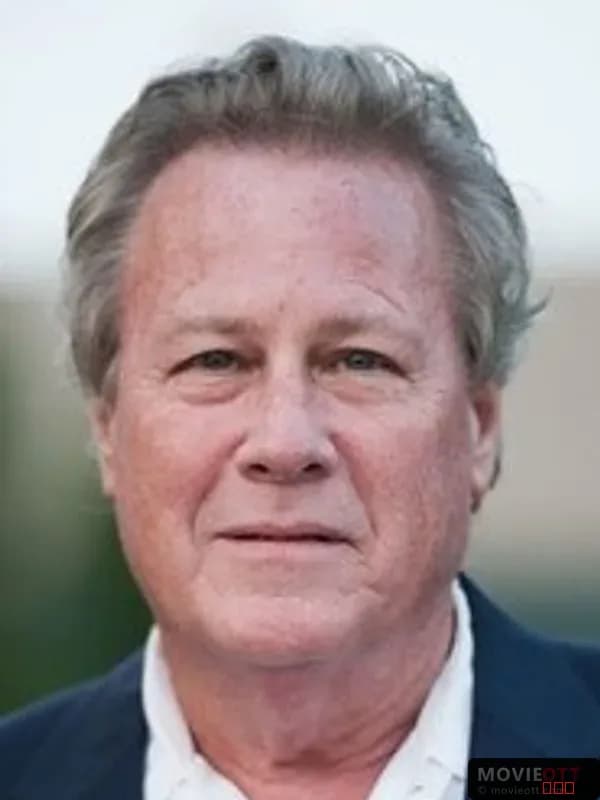
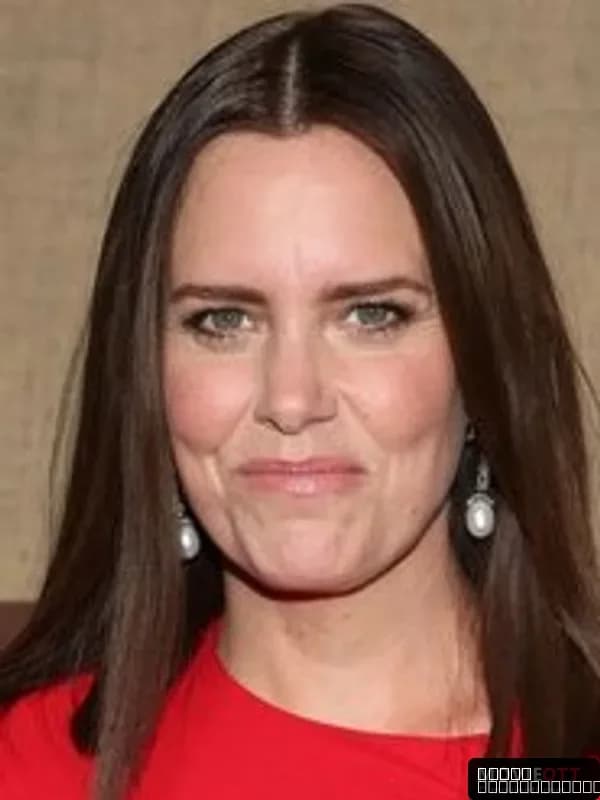
Mindwalk unfolds across the cobblestone paths and coastal vistas of Mont Saint-Michel, where three unlikely companions find themselves drawn into an extended philosophical conversation. Jack, a former presidential candidate nursing the wounds of political defeat, encounters Tom, a poet searching for meaning in language and verse, and Sonia, a theoretical physicist grappling with the limits of scientific understanding. What begins as chance meetings evolves into something deeper—a full day of dialogue that touches on everything from the failures of modern politics to the nature of consciousness itself. The film doesn't rush toward plot twists or dramatic revelations. Instead, it trusts that the exchange of ideas between these three characters, set against one of Europe's most visually stunning locations, is itself the entire story.
Behind the making of Mindwalk
Mindwalk arrived in 1991 as an ambitious independent production from Mindwalk Productions, The Atlas Production Company, and Triton Pictures—a relatively modest consortium of backers willing to finance what's essentially a 111-minute conversation piece. The film carries the official tagline "A film for passionate thinkers," which sets clear expectations: this isn't mainstream multiplex fare. The cast brought credible pedigree to the intellectual material. While the film didn't achieve blockbuster box office numbers, it found an audience among viewers drawn to cerebral cinema, and it's accumulated a respectable 6.93/10 rating on IMDb from those willing to engage with its unconventional structure. The production design captures Mont Saint-Michel with genuine beauty—the island itself becomes almost a fourth character in the narrative, a place where the grandeur of history seems to elevate the weight of contemporary conversation. Shot in a deliberate, unhurried style, the film prioritizes the clarity of dialogue and the authenticity of performance over technical showmanship.
What makes Mindwalk stand out
What's striking is that Mindwalk doesn't pretend dialogue alone can solve anything. The three characters orbit around fundamental disagreements—about whether individual action matters, whether science can answer ethical questions, whether art has utility in a broken world. They won't reach consensus, and the film doesn't force one. Instead, it captures something honest about how intelligent people actually talk: they circle back, they contradict themselves, they listen poorly and then suddenly hear something that shifts their thinking. The performances anchor this material without ever becoming theatrical. There's a restraint here, a refusal to make the conversation feel like a debate competition where someone must "win." I keep coming back to how the film treats the physicist character—Sonia carries the weight of explaining complex systems, yet she's also the one most willing to admit that her discipline can't touch the deeper questions that haunt Jack and Tom. That tension, that intellectual humility, is what prevents the whole thing from feeling like a TED talk.
The cinematography uses the island setting not as mere backdrop but as visual punctuation—long shots of the landscape between dialogue scenes give viewers space to process ideas rather than hammering them with constant close-ups. It's patient filmmaking, which can feel like a luxury in contemporary cinema. Movie OTT tracks films like this across multiple platforms, recognizing that thoughtful, dialogue-driven cinema deserves visibility even when it doesn't fit traditional genre categories.
How to stream Mindwalk online
Finding Mindwalk requires a bit of hunting, but it's available across major OTT services—the where-to-watch widget at the top of this page shows you exactly which platforms are currently carrying it in your region. Streaming rights shift regularly, so checking that widget before you click play saves frustration. The film's pacing and meditative tone actually suit the at-home viewing experience; there's something about watching it on your own schedule, able to pause and sit with a particular exchange without the pressure of a theater seat and other viewers around you. If you're browsing Movie OTT's catalog looking for character-driven films that prioritize conversation over spectacle, this one's worth adding to your list.
Frequently asked questions
Q: Who directed Mindwalk?
Bernardo Bertolucci's protégé directed this film as an exploration of how cinema can function as philosophical dialogue. The direction prioritizes clarity and emotional authenticity over visual pyrotechnics.
Q: Is Mindwalk based on a true story?
No—it's an original screenplay built entirely around the fictional encounter of these three characters. The ideas they discuss draw from real philosophical and scientific traditions, but their personal stories are invented.
Q: What's the runtime, and is it slow?
Mindwalk runs 111 minutes, which is moderate length but can feel longer if you're expecting plot-driven drama. It's deliberately paced, yes—but "slow" depends on whether you're interested in the ideas being discussed.
Q: Can I watch Mindwalk with subtitles?
Most streaming versions include subtitle options, which can actually help with the dense dialogue. Check your platform's subtitle settings before pressing play.
Q: Is Mindwalk appropriate for all ages?
The film contains no violence, explicit content, or strong language—it's intellectually challenging rather than objectionable. Teenagers interested in philosophy or science might find it engaging; younger children would likely lose interest.
Final thoughts on Mindwalk
Mindwalk won't appeal to everyone, and that's by design. It's a film that asks viewers to show up as active participants rather than passive consumers. If you're someone who enjoys long conversations with intelligent people, who doesn't mind ambiguity, who finds ideas themselves genuinely exciting—this one's made for you. The island setting, the performances, the refusal to simplify complex questions: they all add up to something rare. Don't expect answers. Expect better questions.