





The story of Outrage: Betrayal and vengeance in the criminal underworld
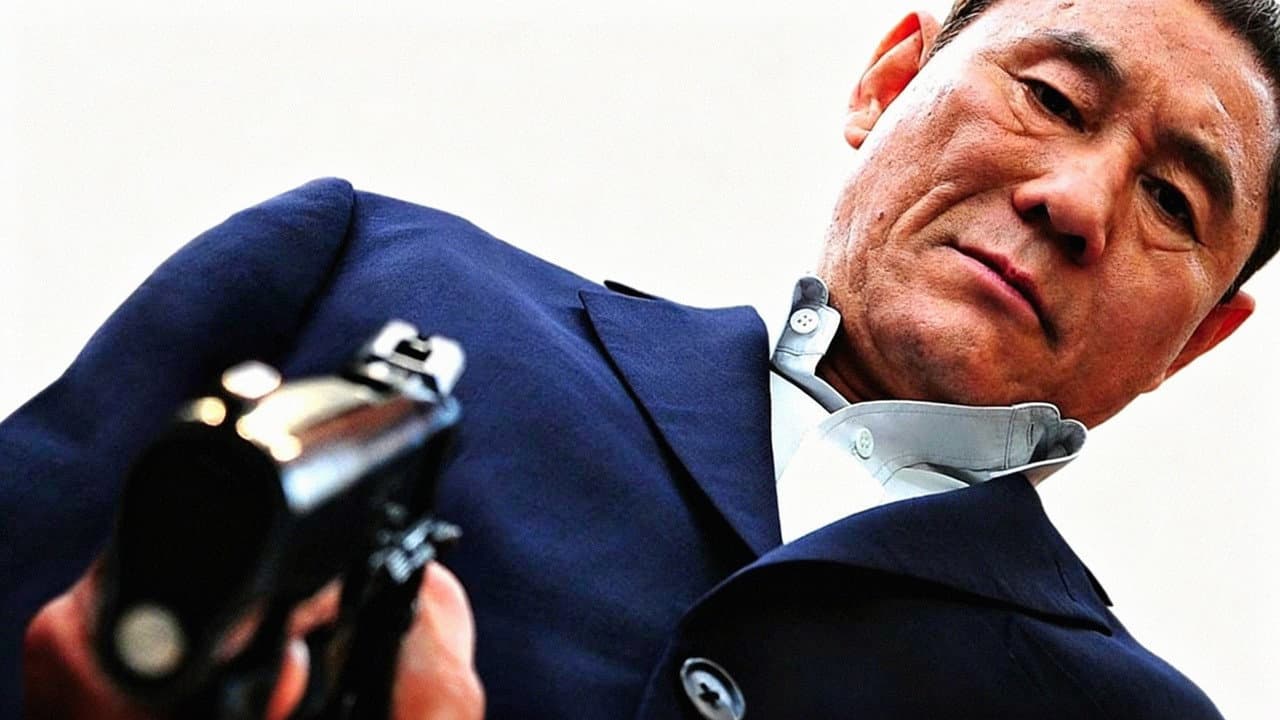
Outrage is a 2010 Japanese yakuza film that drops you straight into the guts of organized crime without apology or exposition. When a tough gangster gets betrayed by his own bosses, he's forced to claw his way back up through the ranks, leaving a trail of bodies in his wake. The premise is simple enough — one wrong move and it's all out war — but what unfolds is anything but straightforward. There's no noble protagonist here, no antihero with a code of honor. Just brutal power politics, territorial disputes, and men willing to do unspeakable things to survive. Takeshi Kitano, who wrote, directed, and stars in the film, refuses to make this story comfortable. The violence isn't glamorized. The humor isn't warm. What you get instead is a cold, unflinching look at how the yakuza actually operate, where loyalty is a currency that gets spent and betrayal is the cost of doing business.
Behind the making of Outrage: Kitano's return to yakuza cinema
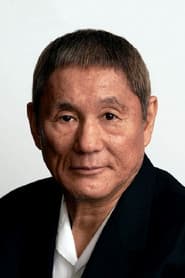
Takeshi Kitano hadn't made a yakuza film in nearly two decades when he returned to the genre with Outrage. The film was produced by a consortium of Japanese studios — Tokyo FM, Bandai Visual, Omnibus Japan, Office Kitano, Warner Bros. Japan, and international distributor Celluloid Dreams — giving it considerable backing and reach. At the 2010 Cannes Film Festival, Outrage competed for the Palme d'Or, signaling that this wasn't just another genre exercise but a work of genuine artistic ambition. The 109-minute runtime feels exactly right; Kitano doesn't waste a frame, and he doesn't linger on sentiment either. Rotten Tomatoes critics gave it 77%, while general audiences proved more divided at 64% — a split that often signals a film that challenges viewers rather than coddles them. On Netflix, it pulled a 3.5 out of 5 from over 121,000 ratings, suggesting it's found an audience willing to sit with its dark, minimalist approach. The R rating comes with good reason; this isn't a film that pulls punches when it comes to violence, language, or the depravity of its characters. What's striking is how Kitano manages to be both the auteur and the lead — he's not just directing a performance, he's inhabiting the moral vacuum at the film's center, which gives everything an eerie authenticity that a hired actor might struggle to achieve.
What makes Outrage stand out: Performance, craft, and moral emptiness
Kitano's performance is the backbone here. He plays Otomo, the betrayed yakuza, with an almost deadpan restraint that makes his moments of rage hit harder. He doesn't emote much — there's no scenery chewing, no dramatic speeches — which makes the occasional flash of violence feel genuinely shocking. The supporting cast, drawn from Japanese cinema's deep bench of character actors, fills out a web of competing gang factions, corrupt cops, and middle-management thugs scrambling to survive the chaos. What I keep coming back to is how the film treats violence not as spectacle but as consequence. A hand grenade. Chopsticks. A roulette wheel. These aren't just props; they're tools of a world where anything can become a weapon, where power is measured in how willing you are to cross lines that normal people don't even see. The police corruption subplot adds another layer — it's not just the yakuza who are rotten; the system that's supposed to check them is compromised from the top down. Kitano doesn't lecture about this. He just shows it. The editing is sharp, the pacing relentless, and there's a dark comedic streak running through the whole thing that keeps it from becoming pure nihilism. You'll laugh at moments that probably shouldn't be funny, which is exactly the point. This is a world where laughter and brutality exist in the same breath.
Where to stream Outrage online
Outrage is available on major OTT services, and you can check the Where to Watch widget at the top of this page for current platform availability in your region. Streaming rights shift frequently, so if you're planning to watch, it's worth verifying where it's currently hosted before you settle in. Movie OTT tracks these availability changes across Netflix, Prime Video, and other platforms, so you'll know exactly where to find it without hunting. The film's dark tone and subtitled dialogue — it's in Japanese with English subtitles — mean it's best watched somewhere you can give it full attention. Don't half-watch this one while scrolling your phone. It won't let you.
Frequently asked questions
Q: Who directed and starred in Outrage?
Takeshi Kitano wrote, directed, and stars in Outrage. He plays Otomo, the betrayed yakuza at the film's center, giving the film an unusual creative unity where the vision and the performance come from the same person.
Q: Did Outrage win any major awards?
Outrage competed for the Palme d'Or at the 2010 Cannes Film Festival, which is one of cinema's highest honors. While it didn't win the top prize, its selection in competition signaled serious critical recognition of Kitano's return to yakuza cinema.
Q: Is Outrage based on a true story?
No, Outrage is an original story written by Takeshi Kitano. However, it's grounded in the real structures and politics of Japan's yakuza criminal organizations, which gives it a documentary-like feel despite being entirely fictional.
Q: Are there sequels to Outrage?
Yes. Outrage is the first film in a trilogy. It's followed by Beyond Outrage (2012) and Outrage Coda (2017), both also directed by Kitano. The sequels continue exploring the yakuza underworld and its power struggles.
Q: What's the runtime and rating?
Outrage runs 109 minutes and is rated R for violence, language, and some sexual content. It's a film made for adult viewers who can handle its brutal subject matter and dark sensibility.
Final thoughts on Outrage
Outrage isn't a film for everyone, and it doesn't pretend to be. It's a masterclass in genre filmmaking from a director who knows exactly what he's doing — which is stripping away any romantic notions about the yakuza and showing us the actual machinery of organized crime: corruption, betrayal, and the constant calculus of who's disposable and who matters. If you're tired of Hollywood's sanitized version of crime stories, this is the antidote. Brutal, darkly comic, and entirely uncompromising. That's the appeal — and the challenge.