



The Story of Santa Claus: The Movie
Santa Claus: The Movie doesn't start where you'd expect. Rather than opening in the North Pole as we know it, the film takes us back centuries to a humble village carpenter named Claus who hand-crafts toys for local children each Christmas. His wife stands by him through brutal winters and exhausting deliveries—one particularly harrowing blizzard nearly ends their mission entirely. But fate intervenes when they encounter an ancient elf named Patch in the North Pole, and together they unlock the secret to immortality and infinite toy production. This origin section, while occasionally clunky in execution, establishes the film's central thesis: Santa's purpose isn't magical convenience, it's genuine love for children.
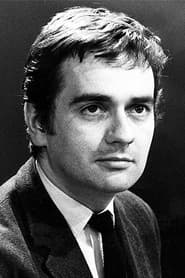
The movie then jumps to the present day, where Santa has become overwhelmed by the sheer scale of his operation. Billions of children, modern logistics, the weight of global expectation—it's crushing him. His most talented elf, Patch (played by Dudley Moore), grows frustrated and resentful at being overlooked and underappreciated. In a fit of ambition and wounded pride, Patch abandons the North Pole and heads to New York City, where he falls into the orbit of B.Z., a ruthless toy company executive played by John Lithgow. What unfolds is a fairly straightforward good-versus-greed narrative, but it's one that works because the cast commits fully to the material.
Behind the Making of Santa Claus: The Movie
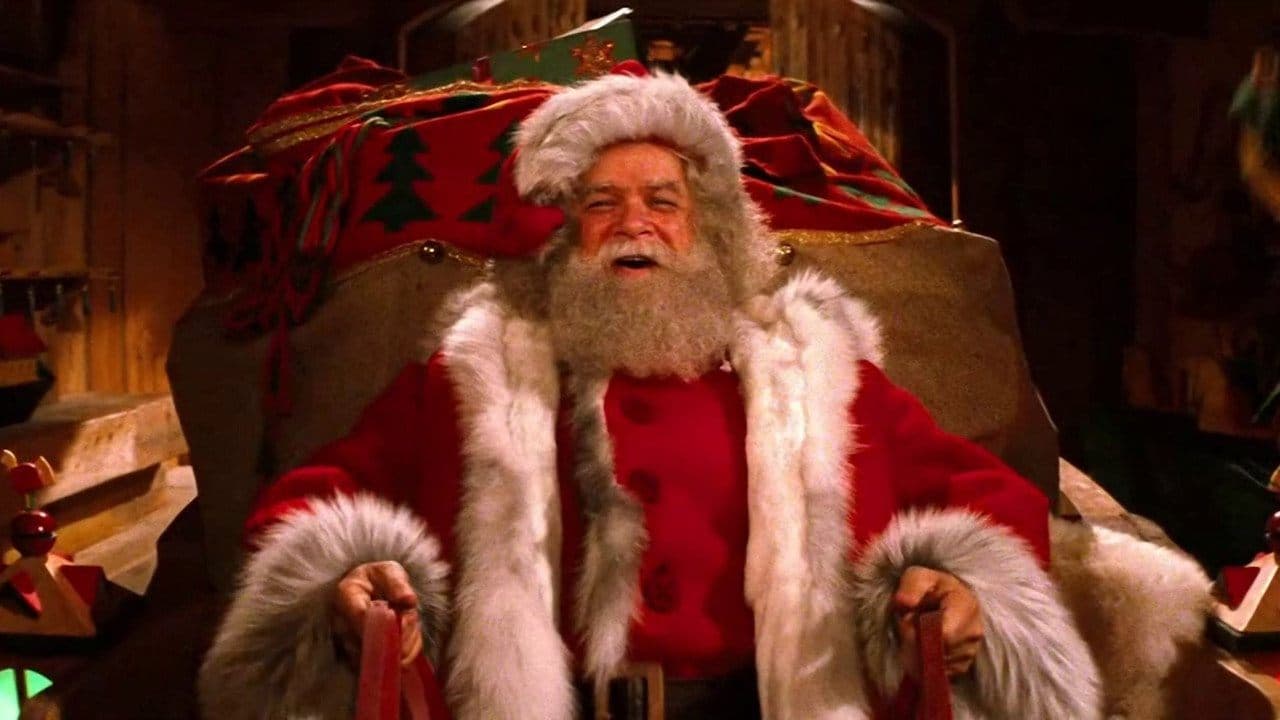
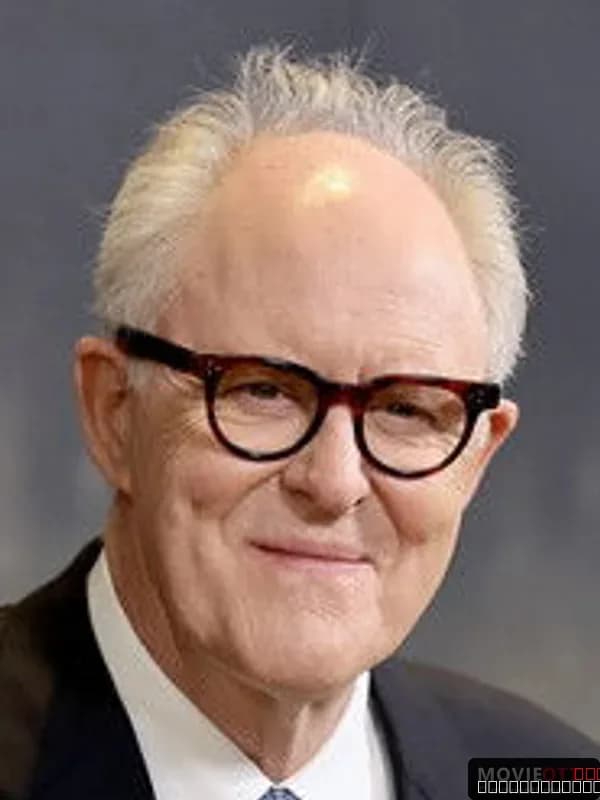
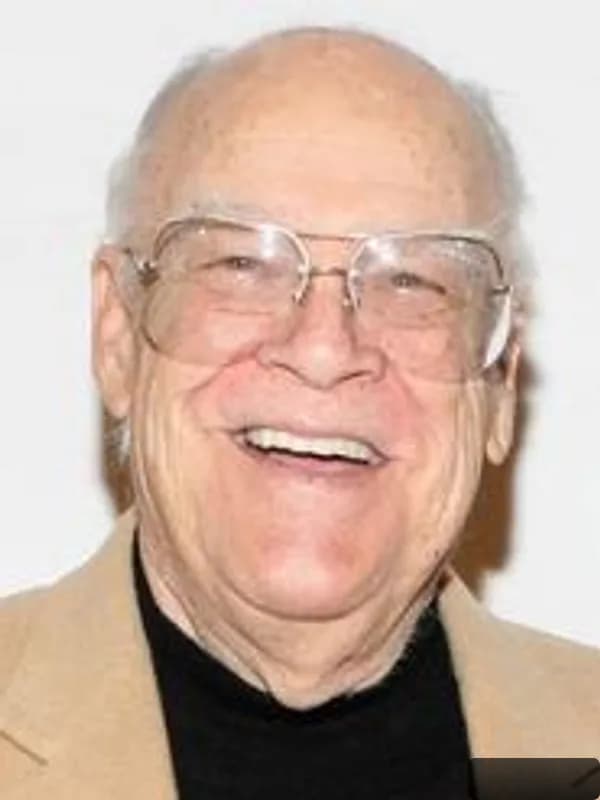
Director Jeannot Szwarc assembled an impressive ensemble for this 108-minute production, which was released in 1985 as a prestige holiday offering. David Huddleston anchors the film as Santa Claus himself, bringing a weathered warmth to the role—he's not jolly so much as weary and deeply human. Burgess Meredith, in one of his final film roles, plays the ancient elf who guides young Claus toward his destiny. Judy Cornwell appears as Mrs. Claus, grounding the fantasy with maternal presence. But the real chemistry lives between Moore and Lithgow. Moore's Patch is petulant and scheming, yet there's a vulnerability underneath the mischief that keeps him from becoming a simple antagonist. Lithgow, by contrast, is pure theatrical villainy—he chews scenery with obvious relish, turning B.Z. into a caricature of 1980s corporate excess that somehow feels prescient rather than dated.
The production itself was ambitious for its era. The North Pole sequences required elaborate set construction and practical effects work, and while some of it hasn't aged gracefully (the toy-making montages feel slow by modern standards), there's a handcrafted quality that distinguishes it from the computer-generated spectacle we're used to now. The film carries an IMDb rating of 6.3 out of 10, which suggests a divided audience—some viewers appreciate its earnest charm and production scale, while others find it overwrought or preachy. Box office performance was modest, though the film has developed a modest cult following among those who grew up with it on cable during the holiday season. If you're hunting for current streaming availability, the where-to-watch widget at the top of this page will show you exactly which major OTT services carry it right now.
What Makes Santa Claus: The Movie Stand Out
Honestly, what's most striking about this film is how it refuses to be cynical about its own mythology. In an era when Christmas movies were becoming increasingly ironic or heavily comedic, Santa Claus: The Movie plays it almost entirely straight—Santa is real, his mission matters, and the threat to Christmas is genuine and worth fighting for. That earnestness could easily tip into saccharine, but Szwarc and his screenwriters manage to keep it grounded by focusing on character conflict rather than just spectacle. Patch's betrayal stings because we understand his frustration. He's been invisible his entire existence, building toys in a workshop no one sees, for children he'll never meet. When B.Z. offers him recognition and money and his own toy line, the temptation is real.
The performances elevate what could've been rote material. Lithgow steals nearly every scene he's in—there's a moment where he pitches his "Cosmic Crooks" toy line (a toy designed to teach children how to be criminals, essentially) that's so absurdly cynical it loops back around to being funny. Moore, meanwhile, grounds the elf's arc with genuine pathos. He's not just a comic relief sidekick; he's a character wrestling with ambition and resentment in ways that feel surprisingly adult for a family film. What's striking is how the film doesn't punish Patch for his flaws so much as it shows him the consequences of his choices—a more nuanced approach than many Christmas movies attempt.
There's also craft in the production design that deserves mention. The North Pole workshop, while obviously a set, has a lived-in quality. The toy designs are genuinely inventive (even if they're a bit dated now). When you watch it on Movie OTT, you're seeing a film that took real effort to construct, not one assembled from stock footage and green screen. That tangibility matters, especially in a story about handmade toys and the value of human effort in an increasingly mechanized world.
Where to Stream Santa Claus: The Movie Online
Finding Santa Claus: The Movie is easier than it used to be. The film is currently available on major OTT services, and Movie OTT tracks these platforms so you don't have to hunt across five different apps. Whether you're a subscriber to the major streamers or you're checking what's available on your existing memberships, the where-to-watch widget above this article will give you real-time availability in your region. It's the kind of film that works best during the holiday season—there's something about watching it in November or December that adds an extra layer of charm, even if you're not entirely convinced by the premise. If you've got kids or you're feeling nostalgic for 1980s production design, it's worth a look.
Frequently Asked Questions
Q: Who directed Santa Claus: The Movie?
Jeannot Szwarc directed the film, bringing his experience with fantasy and adventure material to this ambitious Christmas production. Szwarc's approach was to treat the Santa mythology as genuine rather than whimsical, which gives the film its distinctive tone.
Q: Is Santa Claus: The Movie based on a true story?
No, it's an original fantasy narrative that imagines Santa's origin and his modern-day challenges. The film blends mythology with contemporary corporate satire, creating a story that's entirely fictional but grounded in recognizable human conflicts.
Q: How long is Santa Claus: The Movie?
The film runs 108 minutes, which gives it enough room to develop both the origin story and the present-day plot without feeling rushed. It's a substantial watch but not exhaustingly long for a family film.
Q: What's the age rating for Santa Claus: The Movie?
The film is rated G, making it appropriate for all ages. There's no violence, profanity, or inappropriate content—it's designed as a family-friendly holiday experience, though younger children might find the origin sequence a bit slow.
Q: Where can I watch Santa Claus: The Movie?
It's available on major streaming platforms, which you can check via the where-to-watch widget at the top of this page. Availability varies by region and subscription service, so check your preferred OTT platform to see if it's currently in your catalog.
Final Thoughts on Santa Claus: The Movie
Santa Claus: The Movie isn't perfect. The pacing sags in places, the special effects are dated, and some viewers will find the moralizing heavy-handed. But there's real heart here—a genuine belief in the importance of generosity, craftsmanship, and putting others before yourself. In a landscape crowded with ironic, self-aware holiday content, that sincerity feels almost radical. If you're looking for a Christmas film that doesn't wink at the camera or undercut its own message, this 1985 fantasy delivers exactly what it promises. It's a film made by people who believed in what they were making, and that belief is visible in every frame.