









The Story of Space Brothers: Two Brothers, One Impossible Dream
Space Brothers tells the story of a childhood pact that refuses to stay buried. When Mutta and Hibito were just kids—12 and 9 years old—they witnessed what they believed was a UFO streaking toward the moon. That single moment crystallized into a promise: they'd both become astronauts and fly into space together. It's the kind of pledge kids make without fully understanding what it costs. Fast forward to 2025, and the brothers' lives have diverged dramatically. Hibito (Masaki Okada) actually made it—he's now working as a legitimate astronaut, living the dream both brothers once shared. Mutta (Shun Oguri), the older sibling, took a different path entirely, working for an automotive company and letting that childhood ambition fade into the background noise of adult life. When Mutta loses his job, he's adrift. But then Hibito calls, and suddenly that old promise—dormant for years—comes roaring back to life. What unfolds is both a comedy and a genuine emotional reckoning about whether it's ever too late to chase what you actually want.
Behind the Making of Space Brothers: Production, Cast, and Adaptation
Space Brothers arrived in 2012 as a live-action adaptation of a popular manga series, produced by Toho Pictures, one of Japan's most respected film studios. The decision to adapt manga into live-action carries inherent risk—what works on the page doesn't automatically translate to screen—but this film found a capable cast and creative team willing to take that risk seriously. Shun Oguri, who anchors the film as Mutta, brought considerable gravitas to the role; he's worked across both film and television in Japan and understood how to carry a character through the kind of emotional arc this story demands. The 128-minute runtime gives the narrative breathing room, a choice that pays dividends when you're trying to build genuine emotional stakes rather than just rushing through plot beats. The film didn't become a massive box-office juggernaut, but it found its audience among viewers who appreciated character-driven storytelling that doesn't condescend to its premise. What's striking is how seriously the filmmakers took the source material—they didn't try to reinvent it wholesale or sand down its earnestness. Instead, they leaned into the central tension: the comedy of a guy trying to become an astronaut at an age when most people have stopped dreaming, balanced against the very real melancholy of watching your younger brother succeed where you failed.
Why Space Brothers Works: Performances and the Power of Deferred Dreams
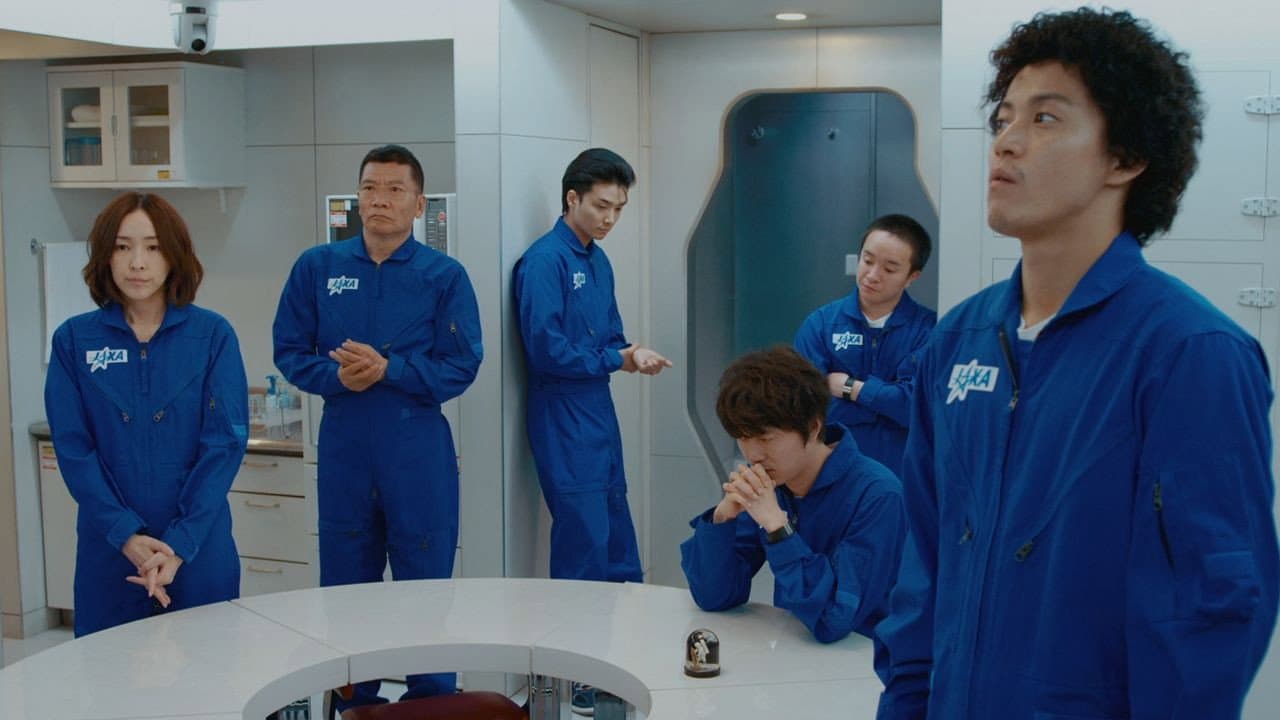
What makes Space Brothers stand out isn't flashy cinematography or spectacle. It's the film's willingness to sit with ordinary people wrestling with extraordinary ambitions, and to treat that struggle as genuinely important. Shun Oguri's performance carries the whole film—he makes Mutta's combination of embarrassment, regret, and stubborn determination feel earned rather than manufactured. There's a specificity to how he plays the character's shame about having given up, the way it colors every interaction with his more successful brother. The film doesn't shy away from the awkwardness of the situation. Hibito's already achieved what they both wanted, and now Mutta's scrambling to catch up. That's inherently uncomfortable, and the movie lets that discomfort breathe. You'll find yourself cringing and rooting for him simultaneously, which is the hallmark of character work that actually lands. The supporting cast grounds everything in a kind of lived-in authenticity—these don't feel like actors playing parts, they feel like people who've known each other for years. The comedy comes naturally from the situation rather than from forced gags, which means it lands harder when it does arrive. I keep coming back to a scene where Mutta's trying to pass the initial astronaut screening and he's competing against people half his age with better credentials. The film doesn't cut away from his humiliation; it sits in it, and somehow that makes his determination matter more.
Where to Stream Space Brothers Online
Space Brothers is available on major OTT services, and Movie OTT tracks current streaming availability across multiple platforms so you don't have to hunt for it yourself. The film's 128-minute runtime makes it a solid evening watch—not so long that you're committing to a weekend binge, but substantial enough that you won't feel like you've watched something slight. Availability shifts depending on your region and which streaming services you subscribe to, so checking the Where to Watch widget at the top of this page will show you exactly where you can access it right now. Whether you prefer to rent, buy, or watch through a subscription service, the options are there. Movie OTT keeps those listings current so you can stop searching and start watching.
Frequently Asked Questions
Q: Is Space Brothers based on a true story?
No, but it's based on a manga series of the same name. The story itself is fictional, though it captures real feelings about ambition and brotherhood that resonate regardless of whether the plot actually happened.
Q: Who stars in Space Brothers?
Shun Oguri plays Mutta, the older brother trying to become an astronaut, while Masaki Okada plays Hibito, his younger brother who's already achieved that goal. Both actors bring considerable depth to their roles.
Q: How long is Space Brothers?
The film runs 128 minutes, giving the narrative enough time to develop its characters and emotional stakes without feeling bloated.
Q: What genre is Space Brothers?
It's categorized as both comedy and drama. The film balances humor arising from its premise with genuine emotional weight about dreams, regret, and second chances.
Q: Who produced Space Brothers?
Toho Pictures, one of Japan's major film studios, produced the 2012 adaptation. The production values reflect that pedigree, though the film stays focused on character rather than spectacle.
Final Thoughts on Space Brothers: Who Should Watch
Space Brothers isn't a film for people looking for action or high-stakes drama in the traditional sense. It's for anyone who's ever wondered if they gave up on something too early, or who's watching someone else achieve what they once dreamed of together. The film treats its premise—a guy trying to become an astronaut in his thirties—as genuinely important, which is rare. It doesn't mock ambition or suggest that dreams are only for the young. Instead, it argues something harder: that it's possible to recommit to what matters, even when you've spent years running away from it. That's a message that lands differently depending on where you are in your own life. If you're the kind of person who appreciates character-driven storytelling, performances that feel lived-in, and narratives about personal growth that don't condescend to their own sincerity, Space Brothers deserves your time.