The story of Stroszek
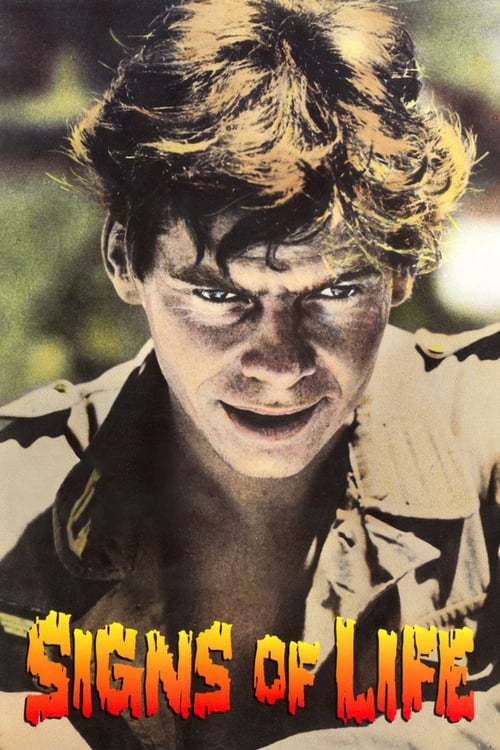
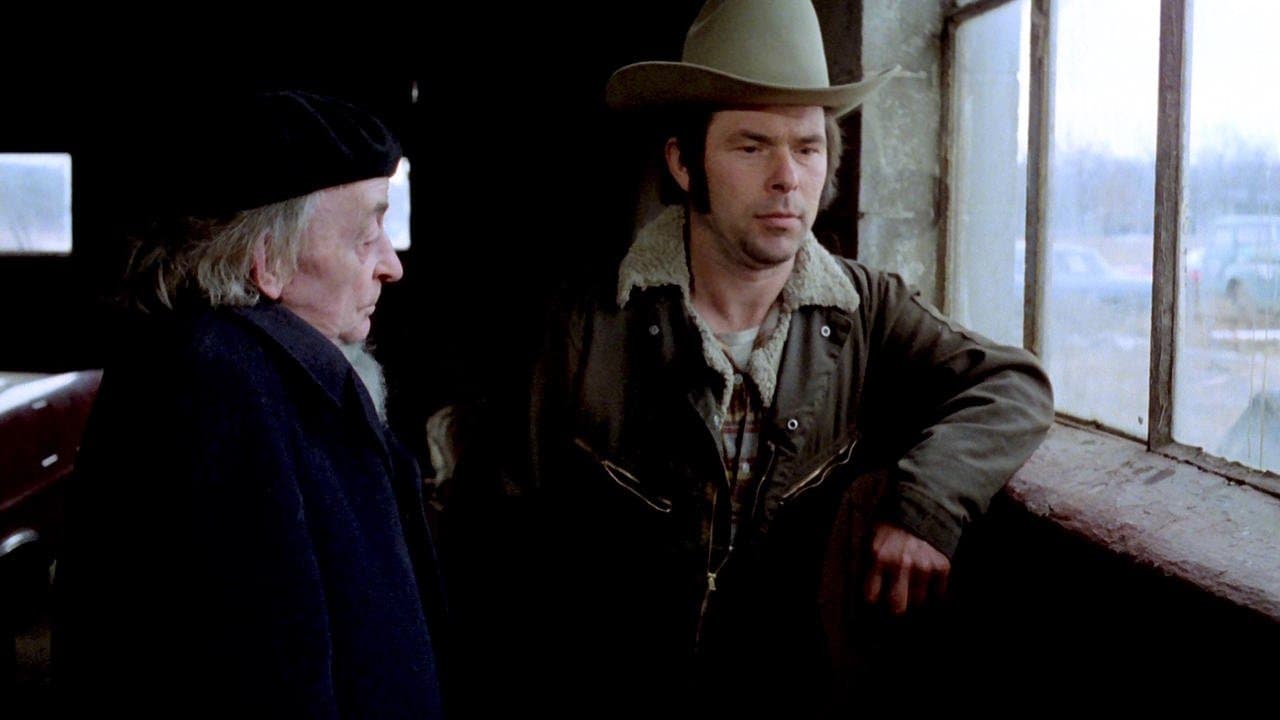
Werner Herzog's Stroszek isn't a film that announces itself with fanfare. It opens quietly, almost apologetically, on Bruno Stroszek—a man released from a Berlin prison with little more than a warning and a glockenspiel. He's been told to stop drinking, to straighten up, but the world doesn't seem particularly interested in helping him comply. What follows is a portrait of someone trying to survive on the margins: playing street music with an accordion, scraping together enough coins to eat, existing in the spaces nobody else wants to occupy. When he meets Eva, a prostitute worn down by her own circumstances, and befriends Scheitz, an elderly eccentric preparing to emigrate, the three form an unlikely alliance. They share something—a sense that maybe, just maybe, things could be different somewhere else. So they leave Germany for Wisconsin, chasing what might be the oldest story in cinema: the American dream. But Herzog doesn't traffic in sentiment.
Behind the making of Stroszek
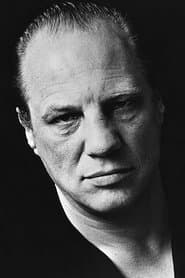
Stroszek arrived in 1977 as a West German production from Werner Herzog Filmproduktion and ZDF, the German public broadcaster. Herzog wrote the role specifically for Bruno S., an actor with little formal training but an extraordinary presence—someone who'd actually spent time in institutions and carried that weight in his eyes. The film was shot across Wisconsin and North Carolina, and Herzog populated it largely with inexperienced actors, a choice that lends the picture an almost documentary-like authenticity. You won't find polished performances here; you'll find people who feel like they're living their lives rather than performing them. The film runs 108 minutes and carries an IMDb rating of 7.3/10, though critical esteem for Herzog's work has only deepened since its release. It didn't set the box office on fire—Herzog's films rarely do—but it's become recognized as one of the director's essential works, a film that rewards repeated viewing and lingers in the mind long after the credits roll. The production's commitment to casting and location work created something that feels genuinely rooted in place and time, neither romanticized nor condescended to.
What makes Stroszek stand out
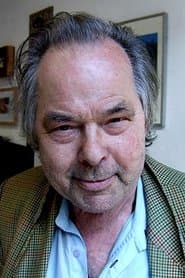
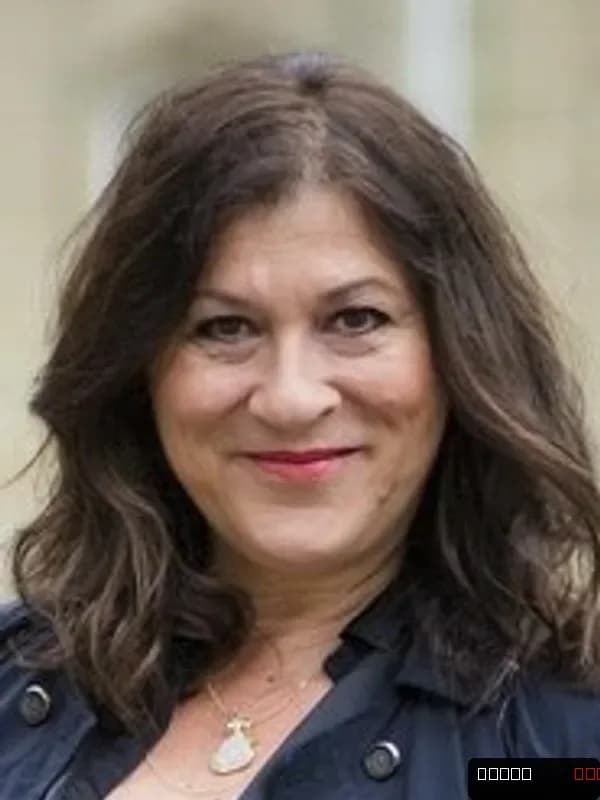
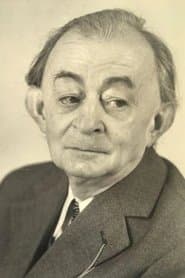
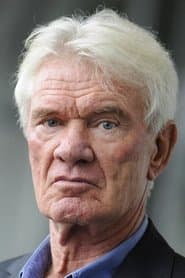
What's striking about Stroszek is how it refuses easy answers. Bruno S.'s performance is heartbreaking precisely because he doesn't play for sympathy—he plays for truth. There's a scene where he's performing on the street, playing his little glockenspiel, and you can see the calculation in his eyes: how many people will stop, how many coins might he earn, does anyone actually care? It's devastating. The film captures something about the dignity of failure, about people trying to maintain their humanity in circumstances designed to strip it away. Eva Mattes brings a similar quality to her role; she's not a tragic prostitute in the melodramatic sense, but a woman making choices within impossible constraints. Clemens Scheitz, as the elderly Scheitz, embodies a kind of stubborn optimism that the film never quite endorses but never entirely dismisses either—he wants to believe in America, and maybe that belief itself is the point, even if it's ultimately misplaced. What Herzog captures, and what Movie OTT helps audiences discover across streaming platforms, is the gap between what people dream and what they actually get. That gap isn't tragic in a grand way; it's mundane and ordinary and therefore somehow more affecting. The Wisconsin sequences are particularly brilliant—Herzog finds beauty in strip malls and empty highways, in the vast indifference of the American landscape. It's not the America of postcards or myth; it's the America that most people actually inhabit.
How to watch Stroszek online
Stroszek is available on major OTT services, and the Where to Watch widget at the top of this page will show you exactly where you can stream it right now. Since Herzog's films aren't always easy to track down—they move between platforms, and availability varies by region—checking Movie OTT's current listings ensures you won't waste time hunting. The film's 108-minute runtime makes it a manageable evening watch, though you'll want to be in the right headspace for it. It's not a film that demands constant attention, but it does reward it. If you're already subscribed to a streaming service that carries Herzog's work, there's a good chance Stroszek is already available to you.
Frequently asked questions
Q: Who directed Stroszek?
Werner Herzog directed Stroszek in 1977, writing the role of Bruno specifically for actor Bruno S. Herzog's distinctive vision—his interest in obsession, landscape, and the margins of society—shapes every frame.
Q: Is Stroszek based on a true story?
The film isn't based on a specific true story, though Herzog drew inspiration from real lives and real struggles. The character of Bruno S. and his background informed the material, giving it an autobiographical texture even as it remains a work of fiction.
Q: How long is Stroszek?
The film runs 108 minutes, making it a manageable length that doesn't outstay its welcome despite its meditative pace.
Q: What's the plot of Stroszek about?
Stroszek follows a street musician released from prison who befriends a prostitute and an elderly eccentric, and together they emigrate from Germany to Wisconsin in search of a better life—only to discover that geography can't solve the fundamental problems of being human.
Q: Where can I stream Stroszek?
Stroszek is currently available on major OTT platforms. Use the Where to Watch widget above to find it on your preferred service.
Final thoughts on Stroszek
Honestly, Stroszek isn't a film for everyone. It's slow, it's melancholic, and it doesn't offer the comfort of a tidy resolution. But if you're willing to meet Herzog on his own terms—if you can sit with the quiet desperation of people trying to make sense of their lives—it's unforgettable. The performances are genuine, the landscape is haunting, and the film's vision of America as both promised land and dead end feels more true now than it probably did in 1977. It's a ballad, as the tagline promises, and ballads aren't meant to make you happy. They're meant to make you feel something real.