






The Story of The Breach: A Woman Caught in a Family Trap
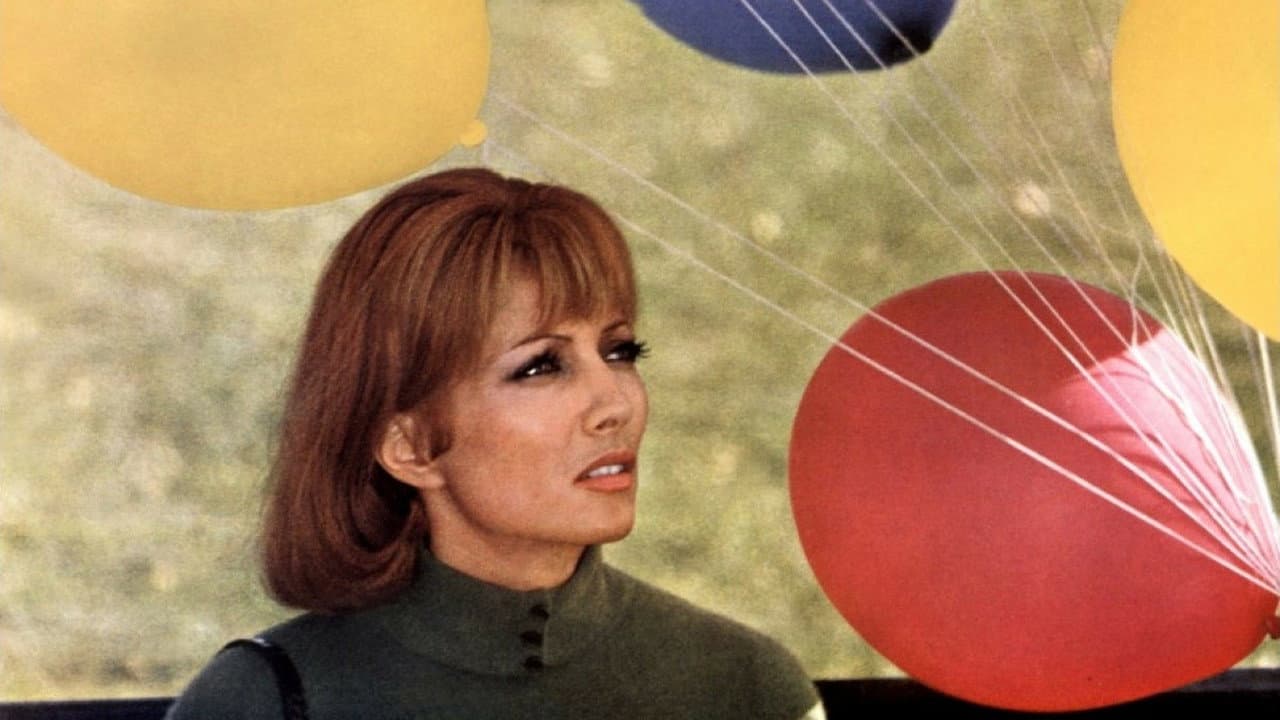
The Breach (also known as The Breakup) tells the story of a mother trapped in a nightmare she didn't create—one engineered by the men around her. An innocent woman finds herself the target of a coordinated campaign of abuse and manipulation orchestrated by her husband and his wealthy father. What unfolds is a taut, claustrophobic psychological thriller that builds tension not through jump scares or violence, but through the slow, methodical destruction of a person's credibility and autonomy. At stake is custody of her son, and the family will stop at nothing—including hiring a petty con man to compromise her reputation—to ensure she loses everything. It's a story about how power corrupts, how family loyalty can curdle into cruelty, and how the legal system can become a weapon in the hands of the ruthless.
Behind the Making of The Breach: Chabrol's Adaptation of a Psychological Crime
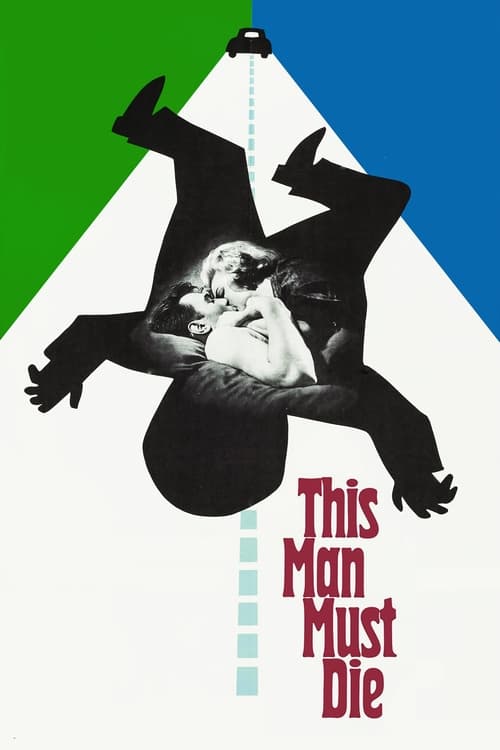
The Breach was written and directed by Claude Chabrol, one of French cinema's most versatile and prolific filmmakers. Released in 1970, the film adapts Charlotte Armstrong's novel The Balloon Man, transforming a crime-fiction premise into a searing examination of domestic power dynamics. Chabrol, who'd already made his mark with films like Les Biches and This Man Must Die, brought his signature style to the material—a clinical eye for human weakness paired with genuine suspense. The runtime clocks in at 124 minutes, giving Chabrol ample space to develop his characters and let the psychological pressure build. Produced by Ciné Vog Films, the film represents the kind of mid-career work that defined Chabrol's reputation: intelligent, morally complex, and deeply unsettling. While it didn't dominate the international box office the way some of his contemporaries' work did, critics recognized it as a significant entry in his filmography—a film that proved he could take a pulpy premise and elevate it into something genuinely disturbing through craft and control.
Why The Breach Still Cuts Deep: Craft, Performance, and Moral Ambiguity
What's striking about The Breach is how it refuses to soften its premise or offer easy catharsis. Chabrol's direction is precise, almost surgical—he's not interested in melodrama or histrionics. Instead, he builds dread through ordinary scenes: a family dinner, a conversation in a lawyer's office, a chance encounter on the street. The performances anchor everything. The actors playing the husband and father-in-law don't chew scenery; they're polite, reasonable, even charming on the surface—which makes their cruelty far more chilling. That's where the real horror lives, in the gap between how these men present themselves to the world and what they're actually doing behind closed doors. The film also captures something about the legal system that feels disturbingly relevant: how easily it can be manipulated by those with money and social standing, how a woman's word can be undermined by whispers and innuendo. I keep coming back to the con man subplot—it's such a clever narrative choice, because it shows how the family doesn't even need to be directly cruel anymore; they can simply hire someone else to do the dirty work. The movie doesn't judge its characters so much as observe them with a kind of cold clarity, which somehow makes it more unsettling than if it had.
Where to Stream The Breach Online
The Breach is currently available on major OTT services, and if you're looking for where to watch it right now, check the Where to Watch widget at the top of this page for real-time availability across all platforms. Movie OTT tracks streaming availability across dozens of services, so you can see exactly which platform has The Breach in your region without having to hunt through multiple apps. Streaming libraries shift regularly—a film might be on one service this month and another next month—so it's worth checking before you settle in. Given the film's 124-minute runtime, you'll want to carve out a focused chunk of time; this isn't a movie you'll want to pause halfway through and come back to later.
Frequently asked questions
Q: Who directed The Breach?
Claude Chabrol directed and wrote The Breach in 1970. He was a French New Wave filmmaker known for psychological thrillers and character studies that examined moral ambiguity and family dysfunction.
Q: Is The Breach based on a true story?
No, it's not based on a true story. Chabrol adapted the film from Charlotte Armstrong's novel The Balloon Man, a work of crime fiction that gave him the premise for this psychological thriller.
Q: What's the runtime of The Breach?
The film runs 124 minutes, giving Chabrol plenty of time to develop tension and character complexity without feeling padded.
Q: What's The Breach about?
The Breach follows an innocent woman fighting to maintain custody of her son while her abusive husband and wealthy father-in-law—with help from a hired con man—work to destroy her credibility and reputation.
Q: Where can I watch The Breach right now?
Check the Where to Watch widget at the top of this page for current availability on major OTT platforms in your region. Movie OTT keeps streaming listings updated in real time so you can find exactly where it's streaming today.
Final Thoughts: A Masterclass in Psychological Tension
The Breach isn't comfortable viewing. It won't leave you feeling uplifted or vindicated. What it will do is stay with you—the way Chabrol constructs each scene, the way the performances burrow under your skin, the way the film refuses to offer a neat resolution or moral clarity. It's a film about systems designed to protect the powerful at the expense of the vulnerable, about how charm and money can be weaponized, about how justice isn't always just. If you're drawn to psychological thrillers that trust their audience's intelligence, that build dread through suggestion rather than spectacle, The Breach is essential viewing.