









Unpacking the Heart of War: What The Blood of Others is About
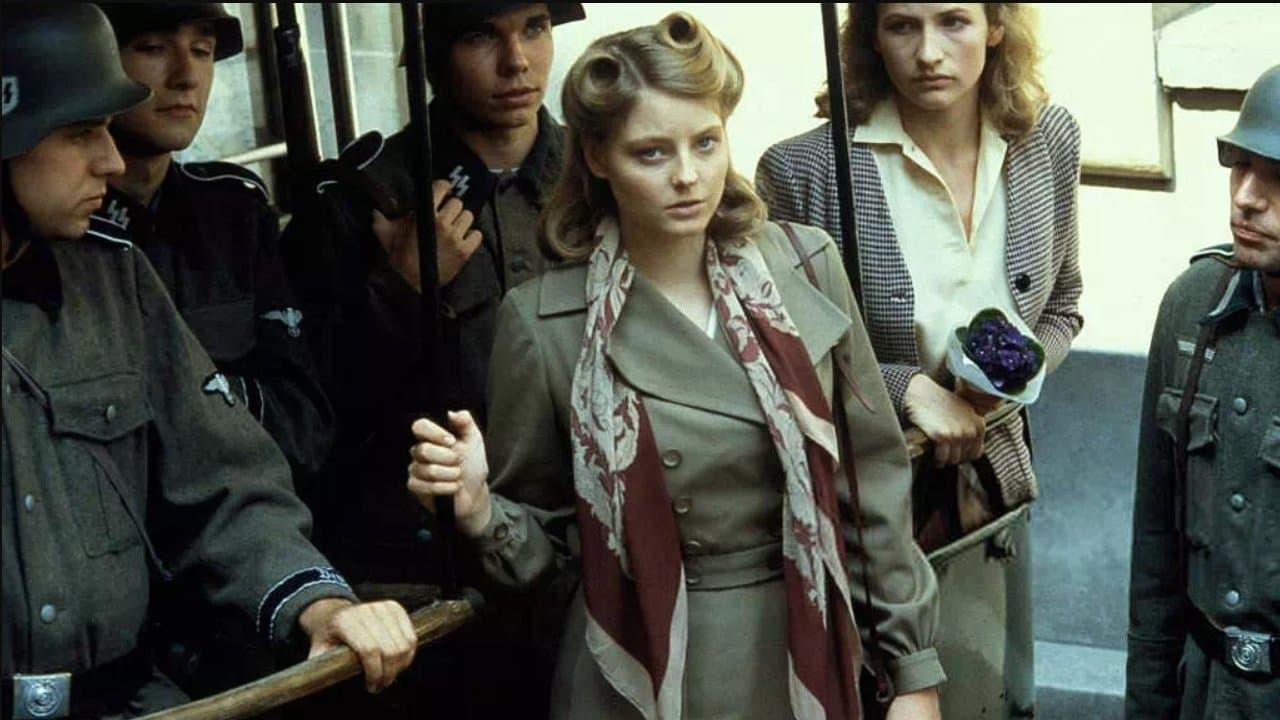
The Blood of Others, a 1984 TV movie, plunges audiences into the moral quagmire of German-occupied Paris, where personal desires clash violently with the monumental stakes of war and resistance. Here at Movie OTT, we're always looking for films that transcend their initial release context, and this picture, with its profound exploration of human nature, certainly does. At its core is Helene, a young woman whose life becomes inextricably linked with two very different men. There's Jean, her steadfast boyfriend, deeply involved in the French Resistance movement, risking everything for the liberation of his country. Then there's Bergmann, a German administrator, who finds himself utterly captivated by Helene and pursues her affection with unwavering determination. This intricate setup forms the crucible for a deeply human drama, forcing Helene to navigate not only her own conflicted emotions but also the treacherous political landscape, where every choice carries profound consequences. It's a tale of love, loyalty, and the impossible decisions that define us in times of crisis.
Behind the Scenes: The Unique Production History of The Blood of Others
The creation of The Blood of Others is as compelling as its narrative, a testament to international co-production in the 1980s. Directed by the renowned French New Wave maestro Claude Chabrol, this 135-minute drama is an adaptation of Simone de Beauvoir's seminal 1945 novel, Le Sang des autres. The film initially premiered on August 25, 1984, on HBO in the United States, conceived as a three-hour English-language television film. This original version, produced by Filmax, International Cinema Corporation (ICC), and Antenne 2, aimed for a broad audience, leveraging the burgeoning cable television market. Interestingly, for its European theatrical release, the film underwent a significant transformation: it was edited down by a substantial 40 minutes and subsequently dubbed into French. This dual-release strategy highlights the differing market demands and artistic considerations of the time, revealing how producers aimed to maximize reach across both traditional television and cinematic exhibition in different global regions. While The Blood of Others didn't garner major awards or box office figures, its IMDb rating of 5.346/10 suggests a mixed reception. Honestly, that score doesn't tell the whole story, though. As Variety reported at the time, "Chabrol’s decision to craft two distinct versions for different markets was an ambitious, if risky, gamble on the film’s international appeal."
The Enduring Resonance and Critical Layers of The Blood of Others
What makes The Blood of Others truly stand out isn't necessarily its technical polish or a universally acclaimed performance, but rather its unflinching gaze at existential dread and moral ambiguity. The film, despite its somewhat modest IMDb rating of 5.346/10, excels in portraying the sheer weight of individual choices within a collective struggle. Helene’s predicament isn't just a love triangle; it's a microcosm of occupied France, where personal allegiances become weaponized and love itself can be a dangerous, compromising act. I keep coming back to the way Chabrol frames the quiet tension in everyday interactions—the glances, the unspoken fears, the moments where loyalty is tested with a single word. It’s heavy. The performances, particularly in their nuanced depiction of internal conflict, anchor the film. While some critics found the pacing deliberate, even slow, it’s precisely this measured rhythm that allows the gravity of Helene's situation to sink in (and believe me, it does). She's caught, truly caught, between her heart's pull towards Jean and Bergmann's insistent affection, all while the specter of war looms large—a relentless, unforgiving presence. The film refuses easy answers, forcing viewers to grapple with the uncomfortable truth that heroism and betrayal often wear similar faces in wartime. This complexity, this refusal to simplify, is where its lasting power lies.
Finding The Blood of Others: Streaming Options for the Historical Drama
For those eager to experience the intricate historical drama of The Blood of Others, you'll be pleased to know it's currently accessible across major OTT services. Movie OTT's mission is to help you track down these elusive gems, and for this 1984 Claude Chabrol film, we've got you covered. While specific platforms can vary by region and licensing agreements, you'll typically find it available for streaming, rent, or purchase on prominent services. We recommend checking the "Where to Watch" widget at the top of this page, which provides real-time updates on its availability. Don't miss out on this compelling exploration of love and war; a few clicks on Movie OTT will guide you straight to it.
Frequently asked questions
Q: When was The Blood of Others originally released?
The Blood of Others first debuted as a three-hour English-language television film on August 25, 1984, on HBO. It was later released theatrically in Europe in a shorter, French-dubbed version.
Q: What is the runtime of The Blood of Others?
The film has a runtime of 135 minutes. This refers to the edited European theatrical release, as the original HBO version was approximately 40 minutes longer.
Q: Who directed The Blood of Others and what is it based on?
The Blood of Others was directed by the acclaimed French filmmaker Claude Chabrol. It is based on the 1945 novel of the same name by existentialist philosopher and writer Simone de Beauvoir.
Q: What genres does The Blood of Others fall into?
This 1984 film is classified across multiple genres, including TV Movie, Romance, Drama, War, and History. It blends personal conflict with the broader historical context of World War II.
Final Thoughts on The Blood of Others: A Recommendation for History and Drama Fans
The Blood of Others isn't a blockbuster, nor is it a forgotten masterpiece for everyone. It's a particular kind of film, one that asks its audience to lean in and consider the profound moral questions it poses. If you appreciate historical dramas that delve into the psychological toll of war rather than just its spectacle, or if you're a fan of French New Wave sensibilities applied to weighty subject matter, this 1984 Chabrol picture is definitely worth your time. It offers a poignant, if at times somber, reflection on love, duty, and survival in the most trying of circumstances. For those who seek out films that challenge and provoke thought, The Blood of Others delivers a powerful, albeit quiet, punch.