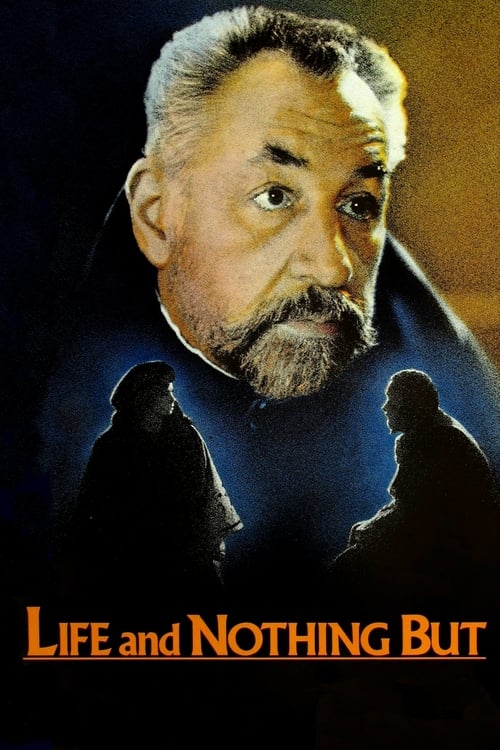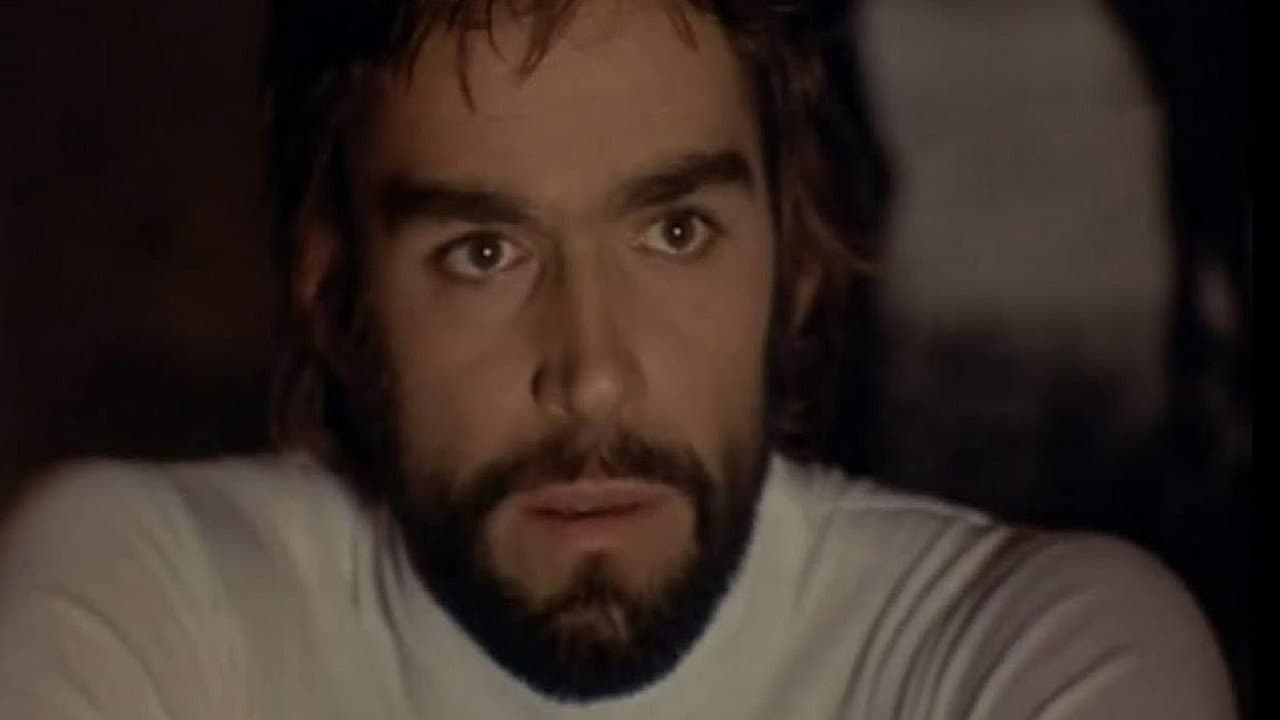






The story of The Nada Gang
The Nada Gang tells the story of a ragtag group of French anarchists—named after a real Spanish anarchist faction—who pull off an audacious kidnapping of the American ambassador following one of his regular visits to an exclusive Parisian brothel. What starts as a calculated political act quickly unravels into something messier and more troubling. The gang members don't agree on what to do with their hostage. Some want to use him as leverage. Others have different, darker intentions. Meanwhile, the police and government machinery grind forward with brutal efficiency, rounding up suspects, interrogating witnesses, and pursuing the Nada faction with escalating violence. What emerges is a film that refuses to let viewers sit comfortably on either side of the conflict. The terrorists aren't heroic freedom fighters, but they're also not the only ones willing to cross moral lines. The state, ostensibly defending order, employs methods that mirror the very tactics it condemns. It's a 132-minute examination of how violence begets violence, and how both sides end up becoming versions of what they claim to oppose.
Behind the making of The Nada Gang
The Nada Gang emerged from a co-production between Verona Produzione, Italian International Film, and the French production company Les Films La Boétie—a genuinely international effort that reflected the pan-European political anxieties of the mid-1970s. The film arrived at a moment when European cinema was grappling with terrorism, state repression, and the lingering ideological fallout from the 1960s. Directors and screenwriters across France, Italy, and Germany were drawn to these themes because they felt urgent and unresolved. The film's runtime of 132 minutes allows it to breathe, to let tension accumulate, to show the tedium and paranoia that accompany both criminal conspiracy and police investigation. That's not accidental pacing—it's a choice that mirrors the psychological wear of the situation itself. While comprehensive box office data from 1974 European releases is spotty, the film found its audience among critics and cinephiles who recognized something authentic in its refusal to offer reassuring conclusions. The ensemble cast—though not marquee names by Hollywood standards—brings a documentary-like realism to their roles, treating the material with the gravity it deserves rather than playing to melodrama.
What makes The Nada Gang stand out as political cinema
What's striking about The Nada Gang is how it resists the comfortable binaries that most thrillers rely on. You won't find a clear hero here, and that's precisely the point. The film's power lies in its willingness to show both the gang's humanity and their capacity for cruelty, and simultaneously to expose how the state's response—ostensibly rational and lawful—becomes increasingly unmoored from any moral framework. The performances anchor this moral ambiguity. Nobody's playing a caricature. There's a weariness, a confusion, even among the terrorists themselves, as if they've committed to an ideology without fully understanding what it demands of them. The police and government officials, meanwhile, aren't cartoon villains either—they're bureaucrats and enforcers trying to solve a problem, and the more they try, the more the problem metastasizes. I keep coming back to the film's refusal to offer catharsis. There's no climactic shootout where good triumphs and order is restored. Instead, there's a grinding inevitability, a sense that once certain wheels are set in motion, they can't be stopped—only endured. That's what elevates The Nada Gang beyond a mere procedural thriller. It's asking viewers to sit with discomfort, to recognize that real political violence doesn't resolve neatly, and that both terrorism and counterterrorism can corrupt those who practice them. The film's modest IMDb rating of 6.048 perhaps reflects how audiences have historically preferred their thrillers to be more reassuring, more clearly moralized. But that rating undersells what the film accomplishes.
Where to stream The Nada Gang online
The Nada Gang is available on major OTT services, and you can check the Where to Watch widget at the top of this page to see which platforms currently have it in your region. Streaming availability shifts frequently, so Movie OTT tracks real-time updates across all major services to help you find exactly where to watch. Since this is a 1974 European thriller with a modest but devoted following, it tends to rotate through specialty streaming libraries and arthouse-focused platforms rather than the mainstream services. If you're a subscriber to multiple services, it's worth checking the aggregator—it'll save you from hunting across five different apps. The film's length and deliberate pacing mean it rewards a dedicated viewing session, so plan accordingly when you find it.
Frequently asked questions
Q: Is The Nada Gang based on a true story?
The film is inspired by real anarchist movements in Europe, particularly the Spanish anarchist faction from which it takes its name. However, the specific plot—the kidnapping of an American ambassador—is fictional. The film uses this fictional scenario to explore genuine political anxieties of the 1970s.
Q: Who directed The Nada Gang?
The film was directed by Claude Chabrol, a French New Wave filmmaker known for psychological thrillers and examinations of bourgeois morality. Chabrol brought his characteristic style—cool, observational, morally complex—to this political thriller.
Q: How long is The Nada Gang?
The film runs 132 minutes, which gives it time to develop tension gradually and explore the psychology of both the criminals and the authorities pursuing them, rather than rushing toward a quick resolution.
Q: What's the tone of The Nada Gang compared to other 1970s thrillers?
Unlike many action-driven thrillers of the era, The Nada Gang is deliberately paced and morally ambiguous. It's closer in spirit to political cinema than to popcorn entertainment, focusing on ideology, paranoia, and the corrupting nature of violence rather than spectacle.
Q: Does The Nada Gang have a happy ending?
No. The film resists conventional resolution. It's designed to leave viewers unsettled, reflecting the real-world truth that political violence and state repression don't resolve neatly or satisfyingly.
Final thoughts on The Nada Gang
The Nada Gang deserves more attention than it typically gets. It's a film that trusts its audience to handle moral complexity, to sit with questions rather than answers, and to recognize that the most dangerous conflicts are often those where both sides believe they're right. In an era when political violence feels urgent again, the film's refusal to simplify or moralize feels quietly radical. It won't entertain you in the conventional sense. But it'll stay with you. That's the mark of serious cinema.