





What The Playroom is about
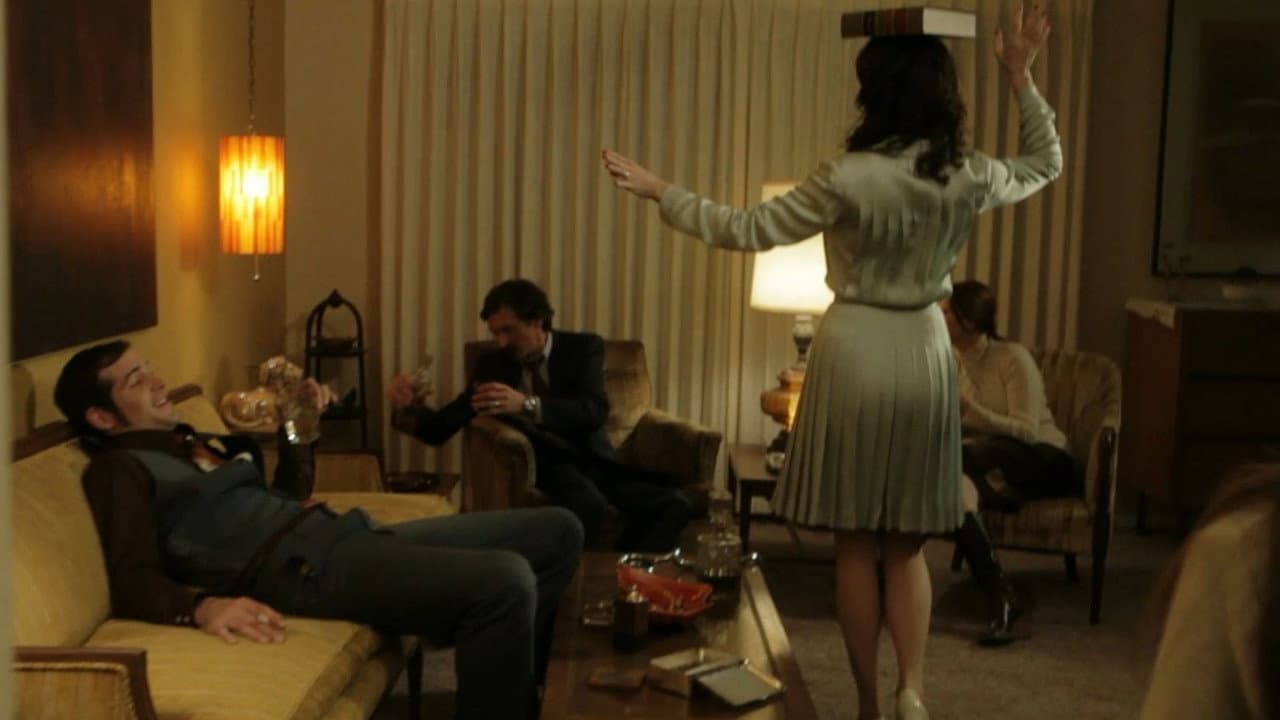
The Playroom opens on a deceptively simple premise: it's 1975, and four children have claimed the attic as their private kingdom. Up there, surrounded by old furniture and forgotten things, they weave an elaborate fantasy world—a game that becomes increasingly baroque and consuming as the film progresses. Downstairs, their parents are spinning their own narrative, one that involves affairs, drinking, and the slow-motion collapse of the marriage itself. The film doesn't really tell you which story matters more. It just lets both unfold in parallel, suggesting that childhood imagination and adult dysfunction aren't separate worlds at all—they're two sides of the same house, the same family, the same fundamental human need to escape reality through storytelling.
Behind the making of The Playroom
The Playroom was written and directed by Julia Dahl, a woman filmmaker working in the indie drama space during a period when such projects rarely received wide distribution. Dahl's background in character-driven storytelling shows throughout—this isn't a plot-heavy thriller or a feel-good family drama, but rather an examination of emotional textures and the small moments where people reveal who they really are. The film was shot on a modest budget, which actually works in its favor; there's an intimacy to the framing and a deliberate restraint in the editing that feels less like a limitation and more like an aesthetic choice. The cast includes solid character actors who don't have marquee names, which keeps the focus squarely on the story and performances rather than star power. While The Playroom didn't achieve major box office success or rack up prestigious awards, it found an audience among viewers who appreciate character studies and films willing to sit with discomfort rather than resolve it neatly. On Movie OTT, you can track where indie dramas like this have landed across streaming platforms—a task that's become essential as smaller films scatter across multiple services.
Why The Playroom stands out as a study of family fracture
What's striking about The Playroom is how it refuses to judge either the children or the parents. The kids aren't portrayed as victims waiting to be rescued, nor are the adults simply villains. Instead, Dahl treats everyone—especially the children—with a kind of anthropological curiosity. You watch the kids negotiate power, create rules, establish hierarchies within their imaginary world, and you realize they're rehearsing adulthood in miniature. The attic game isn't innocent play; it's got real stakes, real cruelty, real exclusion baked into it. Meanwhile, the parents' affair and drinking aren't depicted as shocking moral failures but as people doing what they think they need to do to feel alive or less alone—which doesn't make it okay, but it does make it human and therefore tragic in a quieter way. The performances anchor this balance; nobody chews scenery or plays for sympathy. There's a restraint here that mirrors the film's visual language—static shots, natural light, long takes that let scenes breathe. It's the kind of indie film that doesn't announce its themes or spell out its meaning. You have to sit with it, and not everyone will want to. But for viewers who don't mind ambiguity and can find power in what's unsaid, The Playroom offers something most mainstream dramas won't attempt.
Where to stream The Playroom online
The Playroom is available on major OTT services, and Movie OTT's streaming tracker makes it easy to find which platform currently carries it in your region. Availability shifts regularly—films like this tend to move between services as licensing agreements expire and renew—so checking the "Where to Watch" widget at the top of this page will give you the most up-to-date information. The film's 83-minute runtime makes it a manageable evening watch, though its emotional weight means you'll want to be in the right headspace. It's the kind of movie that benefits from a quiet room and your full attention, not something to half-watch while scrolling.
Frequently asked questions
Q: What year is The Playroom set in?
The film takes place in 1975, which Dahl uses deliberately—that era's aesthetic and social context inform how the story unfolds, from the design of the house to the attitudes about parenting and marriage that shape the adults' choices.
Q: Who directed The Playroom?
Julia Dahl wrote and directed the film. She brings a distinctly character-focused sensibility to the story, treating both the children's imaginary world and the parents' real-world crisis with equal dramatic weight.
Q: How long is The Playroom?
The film runs 83 minutes, making it a tight, focused narrative that doesn't linger on exposition or tie up loose ends neatly.
Q: Is The Playroom based on a true story?
No, it's an original work of fiction, though like many indie dramas, it draws on universal experiences of family dysfunction and childhood adaptation to parental failure.
Q: What's the IMDb rating for The Playroom?
The film has an IMDb rating of 4.857 out of 10, reflecting its divisive nature—some viewers find it compelling and honest, while others find it slow or emotionally remote. That split itself is telling; this isn't a crowd-pleaser.
Final thoughts on The Playroom
The Playroom isn't for everyone, and that's exactly the point. It's a film that trusts you to draw your own conclusions about whether the children's escape is healthy or damaging, whether the parents are victims of circumstance or architects of their own misery. It doesn't have a moral lesson or a redemptive arc. What it has is honesty—the kind that can feel cold until you realize it's actually compassionate. If you're looking for indie drama that doesn't flinch from ambiguity and rewards close attention, it's worth seeking out. Don't expect catharsis. Do expect to think about it afterward.