






The story of When the Last Sword Is Drawn
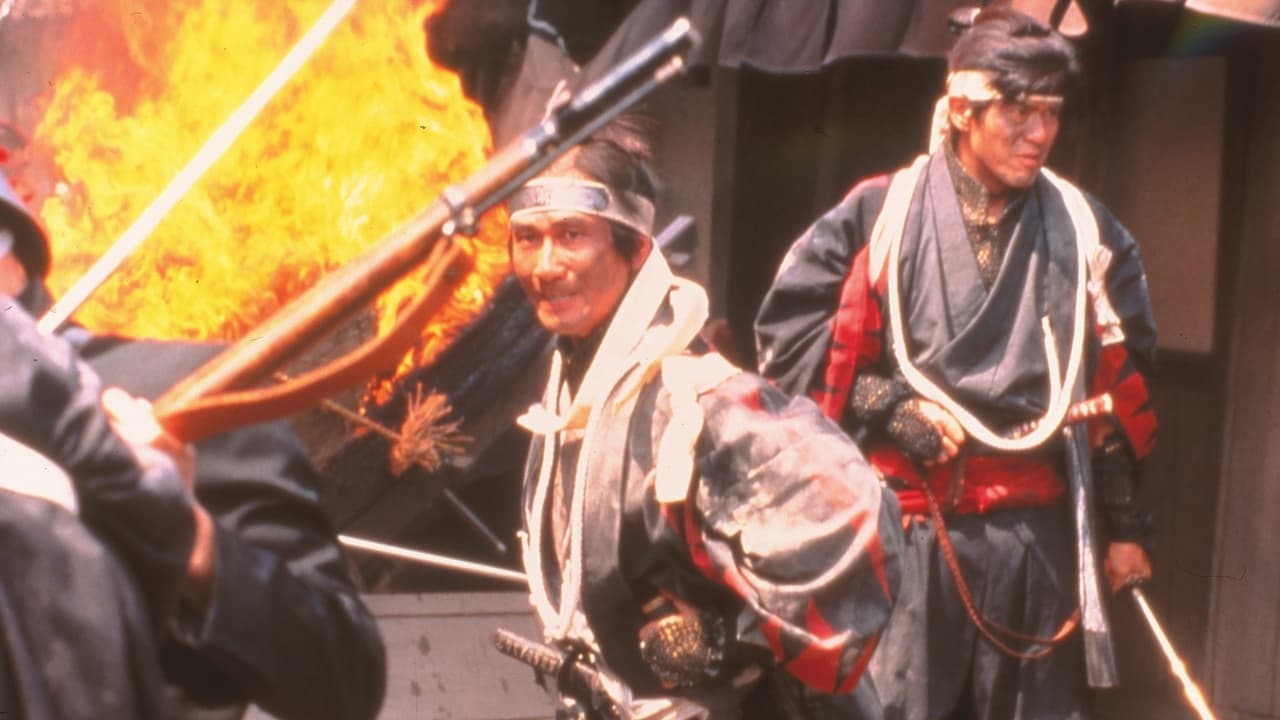
When the Last Sword Is Drawn follows Kanichiro Yoshimura, a samurai trapped in an impossible bind. He's a family man—a husband, a father—working for a small-town clan that pays him so little he can't feed his own children. The wages don't stretch. The honor of his position doesn't fill empty bellies. So he does what feels like betrayal: he leaves. He abandons his post, his clan, his identity as a samurai, and heads to the city in search of real money. What unfolds isn't a revenge tale or a swashbuckling adventure. It's something quieter, sadder, and far more human—a story about the impossible choices ordinary people make when systems fail them, and the weight those choices carry for the rest of their lives.
Behind the making of When the Last Sword Is Drawn
Director Yōjirō Takita brought this film to life in 2002, drawing loosely from real historical events to craft something that feels both specific and universal. The production itself was a major undertaking, with backing from Shochiku, TV Tokyo, TV Osaka, and a constellation of other Japanese production companies and broadcasters—a sign of the project's significance in the local industry. When When the Last Sword Is Drawn arrived at the 2004 Japanese Academy Awards, it didn't just make an impression. It swept. The film won Best Film, the top prize, alongside Best Actor and Best Supporting Actor, with a total of ten nominations that underscored the caliber of performances and filmmaking on display. The 137-minute runtime gives Takita space to breathe—to let scenes settle, to let silences speak—rather than rushing through plot points. That patience pays off. The film carries an IMDb rating of 7.4/10, reflecting solid critical and audience appreciation for a work that refuses easy answers or conventional heroics.
What makes When the Last Sword Is Drawn stand out
Honestly, what's striking about this film is how it refuses to romanticize its protagonist's dilemma. There's no moment where Kanichiro becomes a folk hero or discovers some hidden strength that lets him have it all. Instead, Takita sits with the weight of his choices—the shame, the practical necessity, the slow erosion of identity. The performances anchor everything. When you watch an actor win a major prize for their work, you can usually feel it; there's a specificity, a refusal to settle for surface emotion. The supporting cast grounds the story in real family dynamics—not melodrama, but the small, painful moments where love and resentment coexist. What I keep coming back to is the film's treatment of time. It doesn't rush. A scene of Kanichiro struggling to find work, or sitting quietly with his wife, carries as much weight as any action sequence might in another film. That's a deliberate choice, and it's what separates When the Last Sword Is Drawn from more conventional samurai dramas. It's asking you to feel the texture of ordinary desperation, not to cheer for swordplay.
Where to stream When the Last Sword Is Drawn online
When the Last Sword Is Drawn is available across major OTT services, making it accessible if you know where to look. The "Where to Watch" widget at the top of this page will show you exactly which platforms currently have it in your region—availability shifts regularly, so checking there first saves time. Movie OTT tracks these changes across streaming catalogs, so you won't waste time hunting. The film's 137-minute runtime means you'll want to set aside a solid evening, ideally without interruption. It's the kind of film that rewards sustained attention, where the quieter moments matter as much as the dramatic turns. If you're a subscriber to multiple services, it's worth checking the widget first to see which one has it right now rather than jumping between apps.
Frequently asked questions
Q: Is When the Last Sword Is Drawn based on a true story?
Yes, director Yōjirō Takita drew the film loosely from real historical events, though the narrative is a dramatization rather than a strict historical account. The film uses actual history as a foundation while exploring the emotional and personal dimensions of its protagonist's struggle.
Q: Who won awards for When the Last Sword Is Drawn?
The film won the Best Film award at the 2004 Japanese Academy Awards, along with Best Actor and Best Supporting Actor. It received a total of ten nominations, reflecting recognition across multiple categories including direction, cinematography, and editing.
Q: How long is When the Last Sword Is Drawn?
The film runs 137 minutes, giving director Takita ample time to develop character and atmosphere rather than rushing through plot. That runtime is essential to the film's meditative pacing.
Q: What genres does When the Last Sword Is Drawn fit into?
It's classified as action, drama, and history—though the action elements are secondary to the emotional and historical drama at its core. If you're expecting a traditional samurai action film, you'll find something more introspective instead.
Q: When was When the Last Sword Is Drawn released?
The film was released in 2003, directed by Yōjirō Takita and produced by a consortium of major Japanese studios and broadcasters including Shochiku and TV Tokyo.
Final thoughts on When the Last Sword Is Drawn
When the Last Sword Is Drawn isn't a film that tries to be everything to everyone. It's deliberately paced, emotionally complex, and uninterested in easy redemption. If you're drawn to character-driven historical dramas that trust their audience to sit with difficult emotions—if you don't need constant action or neat resolution—this is absolutely worth your time. The performances are exceptional, the direction is assured, and the film's central question—what do we owe our families versus what we owe our honor—never stops mattering. It won Japan's top film prize for a reason.", "synopsis_word_count": 1087