









The Story of 64: Part 1 and Its Dual Timeline
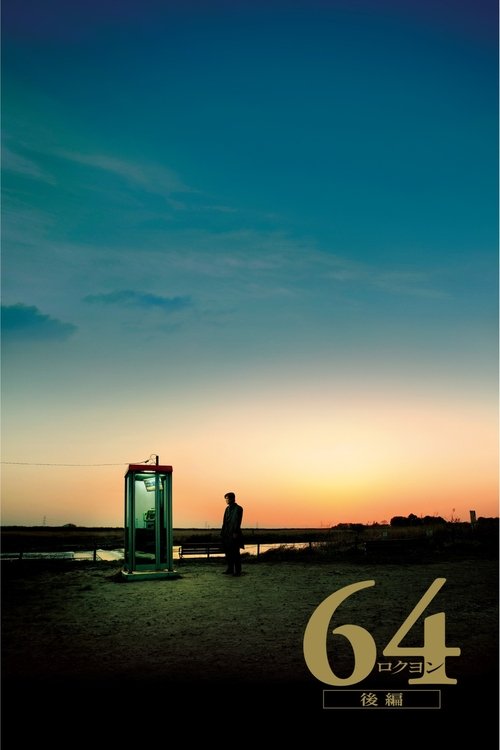
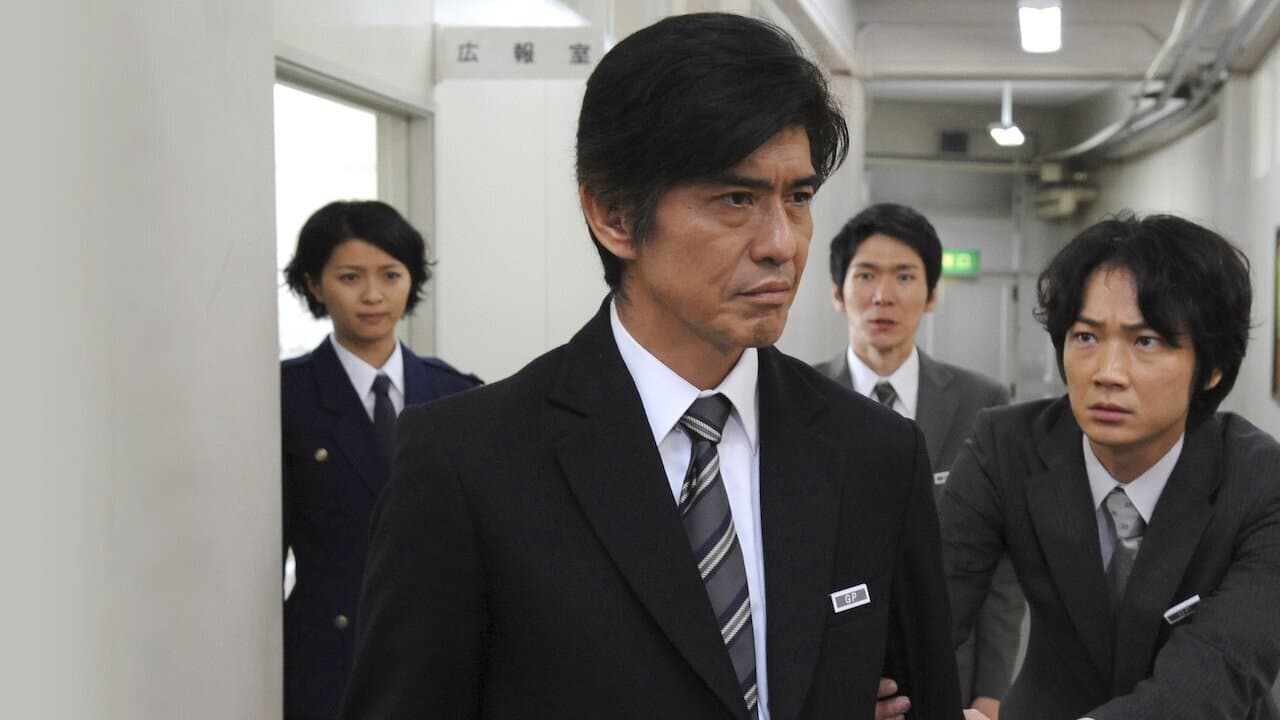
64: Part 1 opens in 1989, Japan's final year under the Showa era—a girl is kidnapped and murdered, and the case goes cold. It's called Case 64, or rokuyon, and it'll haunt everyone involved for decades. Flash forward to 2002: Yoshinobu Mikami, the detective who led that original investigation, has been shuffled into the Police Affairs Department as a public relations officer. He's no longer hunting criminals. Instead, he's managing the department's image, navigating tense relationships with reporters, and wrestling with a personal wound that won't close—his own daughter has gone missing. The statute of limitations on Case 64 is set to expire in one year. Then, almost inevitably, another child abduction occurs, echoing the original crime in ways that feel both coincidental and deliberate. Mikami finds himself caught between two worlds: the criminal investigation unit hungry for answers, and the police administration demanding damage control. As PR secretary, he's positioned to challenge the case in ways his old detective badge never could.
Behind the Making of 64: Part 1 and Its Awards Recognition
64: Part 1 is a Japanese production from 2016, running 121 minutes, developed by a powerhouse consortium that includes TOHO (the studio behind Godzilla), TBS, CBC, and the Asahi Shimbun newspaper, among others—a roster reflecting its ambitions as prestige cinema. The film won five awards and earned fourteen nominations, establishing itself as a serious entry in the mystery-thriller canon. At 6.5 out of 10 on IMDb from over 400 votes, it's landed with critics who appreciate its procedural depth, though it hasn't achieved blockbuster consensus. The production values reflect that institutional backing: this isn't a low-budget indie. It's a film made with resources, distributed through major channels, and intended to reach audiences interested in police procedurals and unsolved-crime narratives. Based on a novel, 64: Part 1 is the first installment in a franchise, meaning it's built to expand—to leave threads hanging, to demand a second chapter. That structural choice matters. You're not watching a self-contained mystery here; you're entering a larger world.
What Makes 64: Part 1 Stand Out Among Japanese Crime Dramas
What's striking about 64: Part 1 is how it refuses to be just a whodunit. The real tension isn't who killed the girl in 1989—or not primarily. It's the collision between institutional self-preservation and the human need for closure. Mikami's caught in that rift, and the film doesn't let him off easy. His daughter is missing, and he's supposed to be the face of police competence. That contradiction—the detective who can't solve his own family's crisis, forced to defend an institution that's failed him—creates a pressure cooker. The film takes its time with this internal conflict, letting it breathe rather than rushing to action beats. There's a procedural intelligence here, a recognition that real investigations are slow, bureaucratic, and often fail. What I keep coming back to is how the film treats the statute of limitations not as a plot device but as a moral question: Does society have the right to say "time's up" on a crime? Does Mikami have the right to let it? That's heavy stuff, and the film doesn't flinch from it. The performances anchor these ideas—Mikami's exhaustion, the reporters' hunger for a story, the brass's anxiety about public perception. It's a film about systems failing people, and it's made with enough craft to make that failure feel personal.
Where to Stream 64: Part 1 Online
64: Part 1 is available on major OTT services, and Movie OTT maintains a current "Where to Watch" widget at the top of this page showing exactly which platforms carry it right now. Streaming availability shifts frequently—a title might move from one service to another—so checking that widget before you click play saves frustration. If you're hunting for Japanese crime dramas with procedural depth, Movie OTT tracks current streaming availability across Netflix, Prime, and other major platforms, making it easier to find where your next mystery lives. The 121-minute runtime means it's a genuine commitment, not a quick watch, so knowing where to find it without buffering or geo-blocking issues is worth the extra click.
Frequently asked questions
Q: Is 64: Part 1 based on a true story?
No, but it's based on a novel, which gives it a literary structure rather than a documentary feel. That said, the themes—unsolved kidnappings, statute of limitations expiring, institutional conflict—draw from real Japanese crime history and police procedures.
Q: Do I need to watch 64: Part 1 before Part 2?
Yes. This is the first installment in a franchise, and it ends on threads that demand resolution. It's not a standalone story.
Q: What's the statute of limitations in the film, and is it real?
In the movie, Case 64 has a 15-year statute of limitations, expiring in 2004. Japan's actual statute of limitations varies by crime, but this timeline is plausible and drives the narrative urgency.
Q: Is this a fast-paced thriller or a slow burn?
It's a slow burn. The film trusts viewers to sit with bureaucratic tension, character psychology, and unsolved mysteries rather than rushing to action. If you want constant plot momentum, this might frustrate you.
Q: Who directed 64: Part 1?
Yasuo Furuhata directed the film. It's a Japanese production that takes the police procedural seriously, treating investigation as a form of institutional and personal reckoning.
Final Thoughts on 64: Part 1
64: Part 1 isn't a film that solves its mysteries neatly or offers easy catharsis. It's a meditation on how institutions fail, how time doesn't heal all wounds, and how the people inside the system—like Mikami—get crushed between the gears. If you're drawn to crime dramas that prioritize character and moral ambiguity over plot mechanics, it's worth your time. Just go in knowing it's the first half of a larger story.", "synopsis_word_count": 1087