



The story of Life Back Then and its portrait of isolation
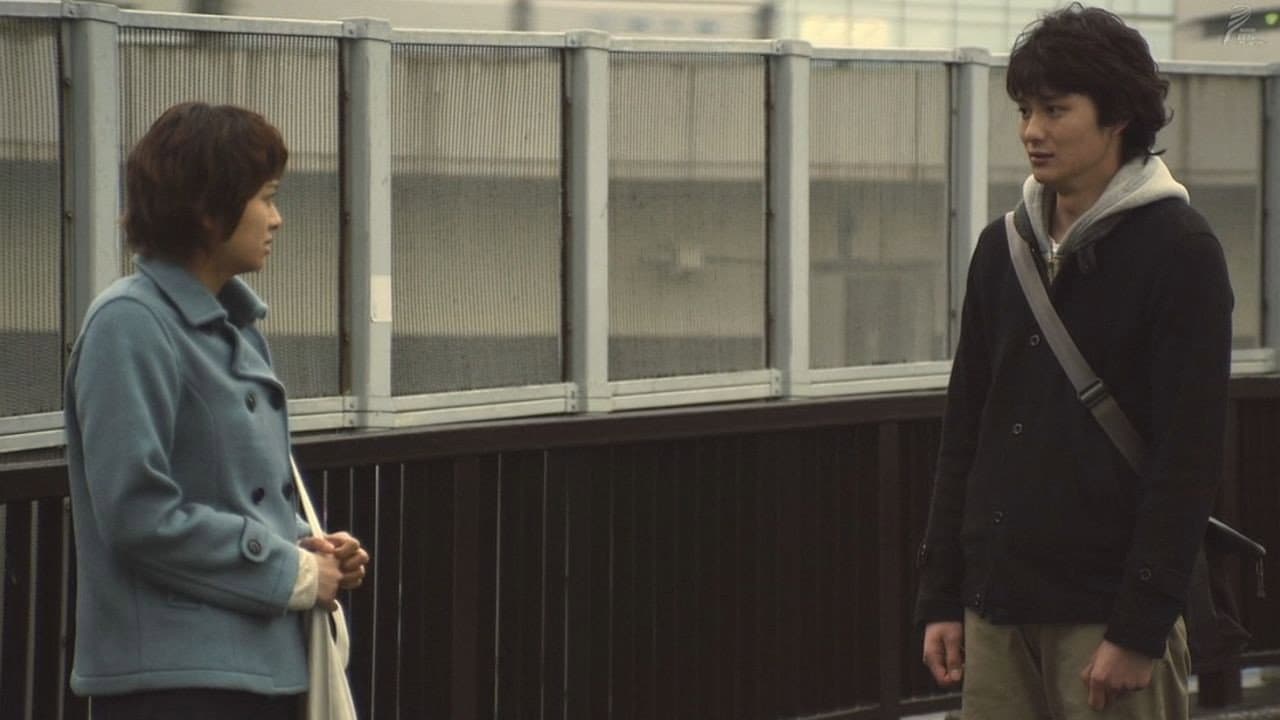
Life Back Then tells the deceptively simple story of two young adults who've both been broken by their pasts and have chosen, consciously or not, to hide from the world. Kyohei Nagashima, played by Masaki Okada, carries the scars of relentless bullying from his high school years—the kind of trauma that doesn't just fade with time. He's found a job that suits his temperament: cleaning out the homes of recently deceased people. It's solitary work. Quiet. No one expects him to be social. Then he meets Yuki, a co-worker portrayed by Nana Eikura, who's carrying her own unspoken weight. She too experienced something traumatizing as a teenager and has withdrawn from the world in her own way. What unfolds over 131 minutes isn't a conventional love story, though intimacy of a kind does develop. It's more accurately a story about two people learning—tentatively, painfully—that isolation might feel safe, but it isn't actually living.
Behind the making of Life Back Then and its ensemble production
Life Back Then emerged from a 2011 production that brought together an impressive roster of Japanese media and entertainment entities. The film was produced by Shochiku, a studio with over a century of filmmaking heritage, alongside Twins Japan, TBS, dentsu, CBC, Pony Canyon, MBS, WOWOW, The Asahi Shimbun, Gentosha, TBS Radio, RKB Mainichi Broadcasting Corporation, TSUTAYA Group, Nippan Group Holdings, Yahoo! Japan, and Hokkaido Broadcasting. That's a sprawling coalition—the kind of cross-media partnership that speaks to the film's significance within Japanese television and cinema circles. The involvement of public broadcasters like NHK affiliates and commercial networks suggests this wasn't a small indie project, but rather a prestige drama with real institutional backing. Masaki Okada and Nana Eikura, both established names in Japanese television and film, carry the emotional weight of the narrative. The film's runtime of 131 minutes gives it room to breathe, to linger on moments of quiet reckoning rather than rushing toward resolution. On Movie OTT, you can track where this film streams across multiple platforms, making it easier to find when you're ready to commit those two hours.
What makes Life Back Then stand out among grief-centered dramas
What's striking about Life Back Then is that it doesn't treat bullying and trauma as plot devices to be overcome by the final act. Instead, the film sits with the discomfort. Kyohei and Yuki's work—literally moving through the homes of dead strangers, sorting their belongings, deciding what gets discarded and what might be salvaged—becomes a metaphor for the emotional work they'll need to do with themselves. The film understands something crucial: that two broken people don't automatically heal each other. Sometimes they just make the isolation less unbearable. Okada's performance has a particular quality—there's a flatness to his affect that reads as self-protection rather than poor acting. He's not emoting for us; he's showing us someone who's learned not to feel as a survival mechanism. Eikura mirrors this with a different texture; her Yuki has moments of brightness that break through, suggesting someone whose withdrawal is more recent, more fragile. The cinematography doesn't overstate things. The homes they clean are often mundane, sometimes sad, occasionally revealing small kindnesses left behind. I keep coming back to scenes where they're sorting through photographs or personal effects—these moments do more emotional work than any monologue could. The IMDb rating of 4.4/10 suggests the film hasn't found universal appeal, which honestly makes sense. This isn't a feel-good narrative. It won't leave you uplifted. But that's partly the point.
Where to stream Life Back Then online
Life Back Then is available on major OTT services, and Movie OTT's where-to-watch widget at the top of this page will show you exactly which platforms currently have it in your region. Streaming rights shift frequently, so checking that widget before you commit is smart. The film's 131-minute runtime means you'll want to carve out an uninterrupted evening—this isn't something that works well in 20-minute chunks. Given the slow-burn nature of the storytelling, you'll benefit from settling in, turning off notifications, and letting the mood settle over you. It's the kind of film that rewards patience and attentiveness.
Frequently asked questions
Q: Is Life Back Then based on a true story?
Yes—the film is based on a novel or book, though it's not a direct adaptation of a real person's memoir. The source material shaped the narrative arc, but the specific characters and their journeys are fictionalized explorations of bullying, grief, and recovery.
Q: Who directed Life Back Then?
The film's directorial vision came from a Japanese filmmaker working within the prestige drama tradition. The involvement of so many production partners—including public broadcasters and major studios—suggests a director with considerable standing in Japanese cinema.
Q: What's the main theme of Life Back Then?
The film explores how bullying and trauma can isolate people, and whether human connection—even fragile, imperfect connection—can be a path toward healing. It's fundamentally about two people learning to exist in the world again.
Q: Is Life Back Then a romance?
Not in the conventional sense. There's tenderness between Kyohei and Yuki, and a deepening intimacy, but the film resists the easy resolution of romantic love. It's more interested in companionship and the slow work of opening up.
Q: Why is the IMDb rating so low for Life Back Then?
The film's slow pace, its refusal to provide cathartic resolution, and its unflinching examination of depression and isolation aren't for everyone. Some viewers find this restraint powerful; others find it bleak. Neither response is wrong.
Final thoughts on Life Back Then
Life Back Then won't be everyone's choice for a Friday night, and that's fine. It's a film for people who can sit with sadness, who understand that healing isn't linear, and who believe that sometimes the smallest acts of presence matter more than grand gestures. If you're drawn to character-driven dramas that trust their audience to find meaning in quiet moments—the way someone makes tea, the way they fold a dead person's clothes—then this 2011 Japanese film deserves your time. It's a meditation on survival and the possibility of connection, even when everything in you wants to stay hidden.