




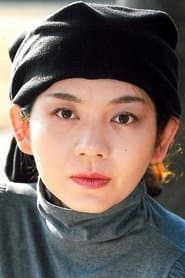
The story of Shikoku unfolds in rural Japan
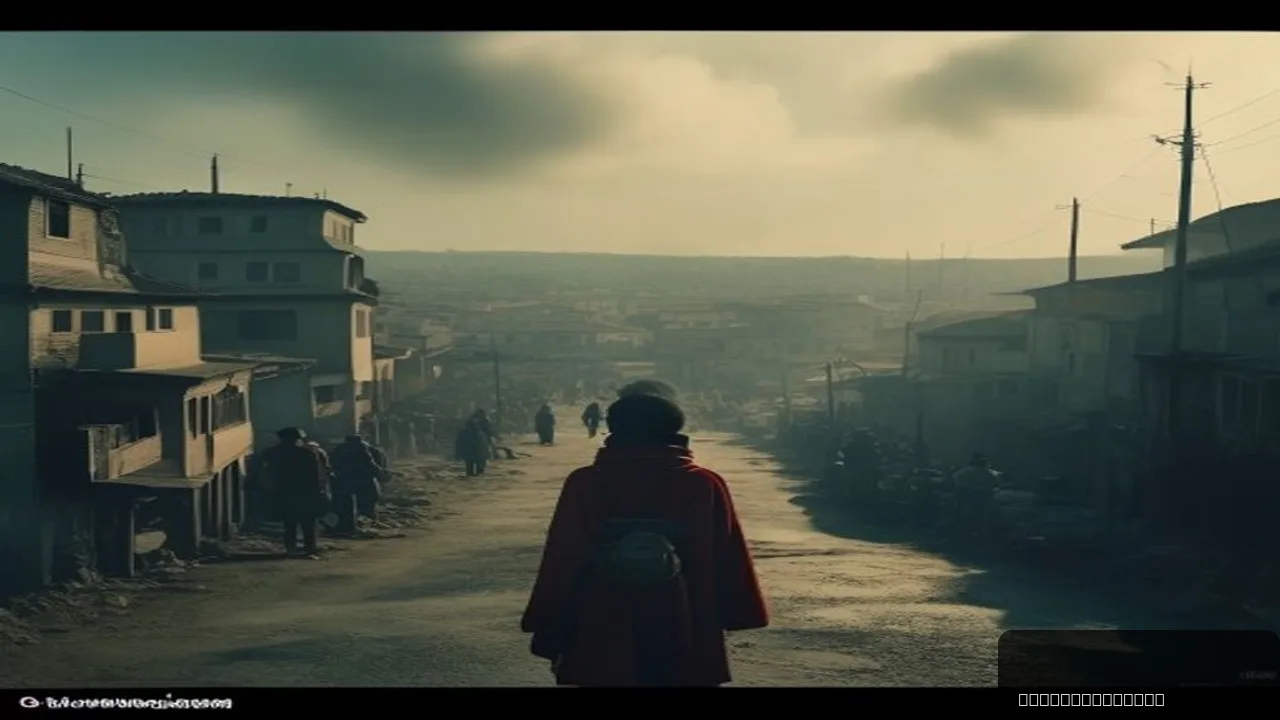
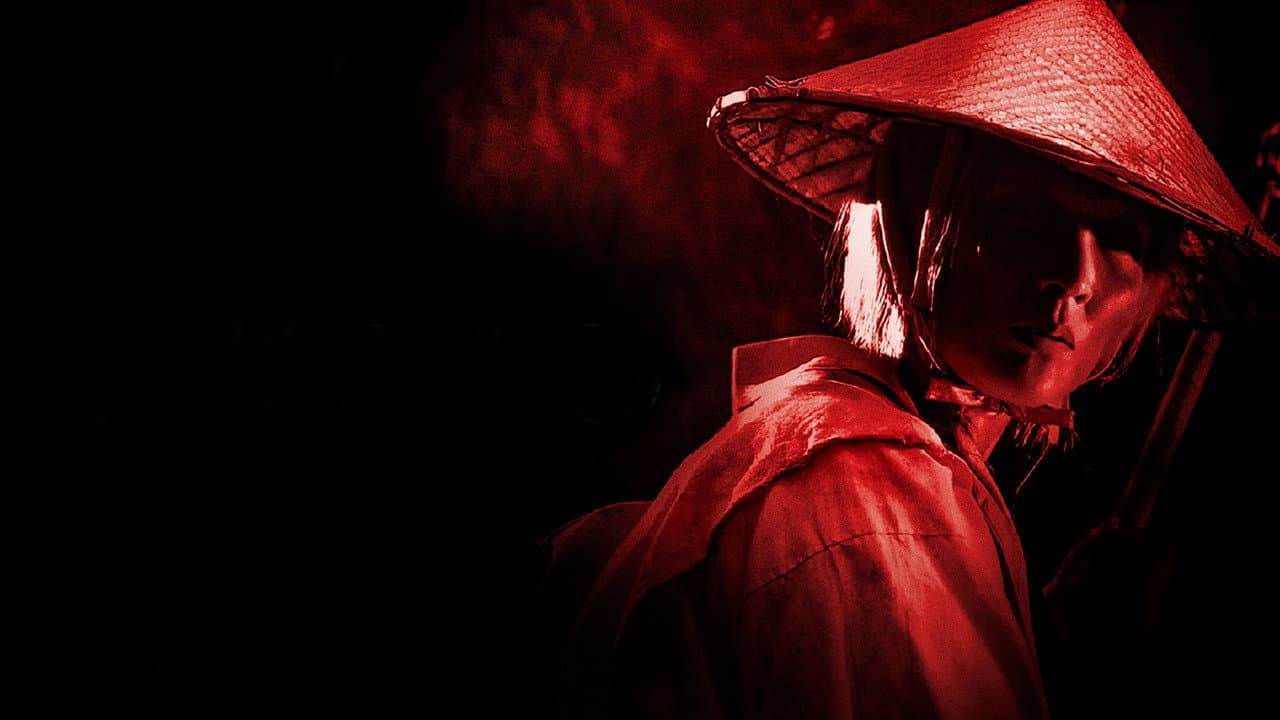
Years have passed since Hinako left her hometown in rural Shikoku—the smallest of Japan's four main islands, a place steeped in tradition and local folklore. She's built a life in Tokyo with her parents, but something draws her back. Upon arrival, she learns a difficult truth: her childhood friend Sayori died years ago, and the loss has pushed Sayori's mother into a state of near-total psychological collapse. The woman who once performed seances and exorcisms—respected in the community for her spiritual knowledge—has become almost unrecognizable, consumed by grief. As Hinako settles back into the rhythms of her hometown, she begins seeing Sayori's ghost at night. These aren't comforting visits from beyond. They're unsettling, insistent, pulling Hinako deeper into a mystery that forces her to confront what Sayori's mother has actually been planning all along.
How Shikoku came together as a production
Directed by Masaki Kobayashi (not to be confused with the more celebrated 1960s auteur of the same name), Shikoku arrived in 1999 as a mid-budget Japanese horror film produced by a notable consortium including TOHO, KADOKAWA Shoten, and Asmik Ace Entertainment—major players in Japanese cinema distribution. The 100-minute runtime gives the film room to breathe, to let rural atmosphere and dread accumulate rather than rushing toward jump scares. The production involved Basara Pictures and several other financiers, suggesting this was a project with genuine industry backing, though it never achieved mainstream international recognition in the way that some of its contemporaries did. Cast details remain somewhat sparse in English-language sources, which itself speaks to how Shikoku has drifted into the margins of horror discourse—not quite forgotten, but certainly underexamined. The film's IMDb rating of 5.4/10 reflects mixed reception; some viewers found it genuinely unsettling, while others found the pacing or supernatural logic frustratingly opaque. What's striking is that the film arrived during a period when Japanese horror was beginning to gain global traction, yet Shikoku never quite caught the same wave that would lift films like Ring or Ju-on into international consciousness.
What makes Shikoku stand out in 1990s Japanese horror
The real power of Shikoku lies not in its scares but in its exploration of how grief can warp a person's relationship to reality—and how communities enable that warping through their acceptance of supernatural explanations. Sayori's mother isn't simply a grieving woman; she's someone whose professional identity was built on speaking to the dead, on understanding the supernatural. When her daughter dies, that framework doesn't fail her—it consumes her. The film asks an uncomfortable question: what if the person most equipped to understand ghosts is the one most likely to summon them, to keep them tethered to the world? Hinako's return becomes a catalyst, but also a mirror. She's forced to reconcile her childhood memories with the reality of what her friend's death has done to the people around her. The rural setting matters enormously here. This isn't Tokyo's bright anonymity; it's a place where everyone knows your family history, where the old woman down the road who performs seances isn't seen as a charlatan but as someone with genuine knowledge. That cultural specificity—the way Japanese rural communities have historically maintained complex relationships with spiritualism and ancestor veneration—gives Shikoku a texture that generic haunted-house narratives can't touch. I keep coming back to the film's refusal to fully explain itself. The supernatural events are real, but so is the psychological deterioration. The film doesn't choose between them; it insists both are happening simultaneously, and that's where the real horror lives.
Where to stream Shikoku online
Shikoku is available on major OTT services, and Movie OTT tracks current streaming availability across platforms in real time—so you can see exactly where it's playing right now without clicking through five different apps. Availability varies by region and shifts seasonally, which is why checking the Where to Watch widget at the top of this page is your best bet for current information. If you're hunting for 1990s Japanese horror that doesn't follow the Ring template, knowing where to find it matters. The film's relatively low profile means it's not always front-and-center on streaming homepages, but it's out there for those willing to search.
Frequently asked questions
Q: Who directed Shikoku?
Shikoku was directed by Masaki Kobayashi and released in 1999. While not as internationally renowned as some of his contemporaries, Kobayashi brought a deliberate, atmospheric approach to the material that emphasizes psychological dread over spectacle.
Q: Is Shikoku based on a true story?
No, Shikoku is a fictional horror film. However, it draws on real cultural practices and beliefs around seances, exorcisms, and ancestor veneration that are part of Japanese spiritual tradition, which gives the film an added layer of authenticity.
Q: What's the runtime of Shikoku?
The film runs 100 minutes, which gives it enough space to develop atmosphere and character psychology without feeling bloated—a deliberate choice that works in its favor.
Q: Where can I watch Shikoku?
Shikoku is available on major OTT platforms. Check the Where to Watch widget at the top of this page to see current availability in your region, or visit Movie OTT for up-to-date streaming information.
Q: Is Shikoku a good horror film?
That depends on what you're looking for. It's not a jump-scare machine. It's a slow-burn psychological horror film that prioritizes atmosphere and explores grief's ability to distort reality. If you appreciate horror that trusts the viewer to sit with discomfort rather than constantly startling them, it's worth your time.
Final thoughts on Shikoku
Shikoku won't appeal to everyone. It's deliberately paced, culturally specific, and resistant to easy answers—the kind of film that rewards patience but demands it. Yet that's precisely what makes it worth seeking out if you're tired of horror that plays it safe. The film trusts its audience to understand that the scariest thing isn't always a ghost; sometimes it's what a living person will do in the name of love and loss. Nearly twenty-five years later, that insight still lands.