The story of Where the Green Ants Dream
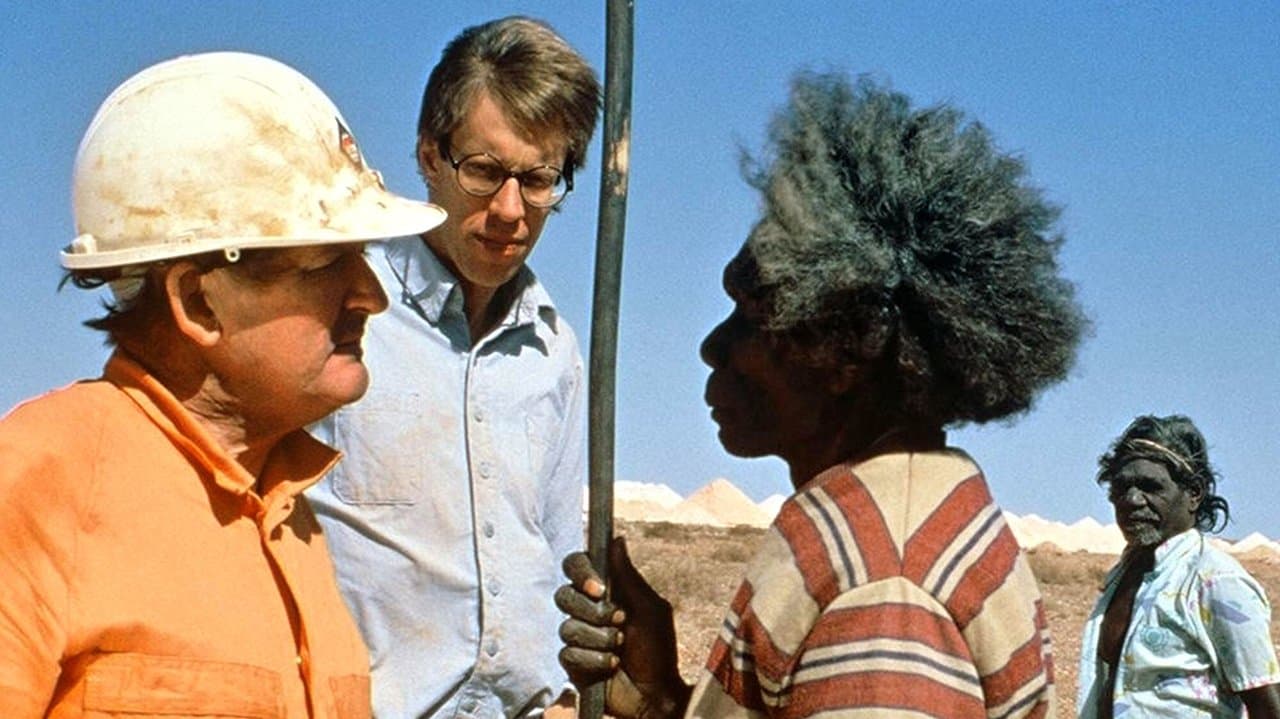
Where the Green Ants Dream opens on a profound collision: the Aboriginal peoples of Australia's outback believe this land is where green ants go to dream, and that disturbing those dreams will bring catastrophe upon us all. It's a belief system rooted in thousands of years of spiritual connection to the earth. Enter a multinational mining corporation, hungry for uranium and utterly indifferent to Indigenous cosmology. The film follows this clash with deliberate pacing, refusing easy answers or comfortable resolutions. Herzog doesn't frame this as a simple good-versus-evil narrative—instead, he lets the contradictions breathe, showing how two worldviews can be fundamentally incompatible, how one culture's progress is another's destruction.
Behind the making of Where the Green Ants Dream
Where the Green Ants Dream emerged from a collaborative effort between West German production companies—ZDF, Pro-ject Filmproduktion, and Werner Herzog Filmproduktion—in 1984, with Herzog himself directing and co-writing. The 100-minute runtime gives the story room to unfold without rushing, a deliberate choice that reflects Herzog's philosophical approach to filmmaking. Shot on location in Australia, the production drew from real-world disputes over Aboriginal land rights, though Herzog blended fact with fiction to create something more mythic than documentary. The film's reception proved mixed: Australian critics largely dismissed it, perhaps uncomfortable with a European director interpreting their own cultural tensions, but European and North American audiences engaged more thoughtfully with its themes. The IMDb rating of 6.9/10 suggests a film that's never been mainstream comfort viewing—it's challenging, sometimes slow, and uncompromising in ways that don't always translate to wide acclaim. Movie OTT tracks how regional reception patterns like these affect where films end up streaming today.
What makes Where the Green Ants Dream stand out
The performances anchor everything here. The actors—both Aboriginal and non-Aboriginal—inhabit their roles with quiet conviction rather than theatrical flourish, which is exactly what Herzog demands. There's no melodrama, no rousing speeches. Instead, you get long takes of faces, silences that mean something, conversations that circle around the real issues without ever quite naming them directly. What's striking is how Herzog uses landscape itself as a character: the vast, indifferent Australian terrain doesn't care about either the miners' ambitions or the Aboriginal people's spiritual claims. It just is. The mining company isn't portrayed as cartoon villains—they're professionals doing what they've been hired to do, following laws and procedures that exist in a completely different moral universe from the one the Aboriginals inhabit. That's the film's quiet horror: not evil intent, but systematic incomprehension.
Honestly, the pacing will test some viewers. This isn't a film that rushes toward plot points or manufactured tension. Instead, it sits with its characters, watches them move through their days, lets you feel the weight of what's at stake without spelling it out. The cinematography captures both the beauty and the harshness of the outback—red earth, sparse vegetation, a landscape that's gorgeous and hostile at once. If you're looking for streaming recommendations that challenge your patience, this qualifies. Movie OTT's database shows this title appears on major OTT services, which means more people have access to Herzog's vision than ever before, though it remains a film that demands something from its audience.
How to watch Where the Green Ants Dream online
Where the Green Ants Dream is currently available on major OTT streaming platforms. Check the "Where to Watch" widget at the top of this page to see which services carry it in your region—availability varies by location and changes regularly. Given the film's arthouse pedigree and limited initial release, it's worth checking multiple platforms if your first choice doesn't have it. If you're a subscriber to a general streaming service, there's a decent chance it's there; Herzog's work has found a home on platforms that cater to serious film enthusiasts. Movie OTT tracks current streaming availability across these services, so you won't waste time hunting.
Frequently asked questions
Q: Is Where the Green Ants Dream based on a true story?
Yes and no. The film draws from real disputes over Aboriginal land rights in Australia, particularly conflicts between Indigenous communities and mining interests. However, Herzog explicitly framed it as a mixture of fact and fiction, using real events as a springboard for a more philosophical meditation on cultural collision rather than a documentary retelling.
Q: Who directed Where the Green Ants Dream?
Werner Herzog directed and co-wrote the film. Herzog is known for his visionary, sometimes controversial approach to filmmaking—he's never interested in comfortable narratives, and this 1984 work is no exception.
Q: How long is Where the Green Ants Dream?
The film runs 100 minutes, which gives Herzog enough time to develop his themes without rushing. That runtime is crucial to the film's meditative quality.
Q: Why did Where the Green Ants Dream receive mixed reviews?
Australian critics were notably cool to the film, possibly because they felt a European director was interpreting their own cultural moment. European and North American audiences were more receptive. The film's deliberate pacing and refusal to provide easy emotional catharsis also limits its mainstream appeal.
Q: What's the main conflict in Where the Green Ants Dream?
A mining company wants to extract uranium from land that Aboriginal peoples consider sacred—a place where green ants dream. The film explores what happens when spiritual belief systems collide with industrial capitalism and legal frameworks that don't recognize Indigenous sovereignty.
Final thoughts on Where the Green Ants Dream
Where the Green Ants Dream isn't a film for everyone, and Herzog would probably be disappointed if it were. It demands patience, rewards attention, and refuses to resolve its central tensions in a satisfying way—because real life doesn't either. Forty years after its release, the themes feel more urgent than ever: land rights, Indigenous sovereignty, environmental destruction, the arrogance of assuming one culture's way of understanding the world is universal. If you're willing to sit with ambiguity and let a film work on you slowly, this is essential viewing. It's the kind of work that stays with you long after the credits roll.