Do the Right Thing
The Setup: One Day in Brooklyn That Changes Everything
Do the Right Thing unfolds over a single scorching summer day in the Bedford-Stuyvesant neighborhood of Brooklyn. That's it. One block. One pizzeria. One day where the heat turns simmering racial tension into something that can't stay buried anymore.
Spike Lee wrote, directed, and stars in the film as Mookie, a young Black delivery driver working at Sal's Famous Pizzeria—an Italian-American institution that's been serving the neighborhood for decades. The place sits at the intersection of two worlds that don't quite trust each other, even though they've learned to coexist. Then the thermometer climbs. Patience evaporates. By nightfall, the block has burned.
The film hits different because Lee refuses to hand you easy answers. Sal isn't a cartoon villain. Mookie isn't a saint. The movie holds contradictions without resolving them—which is precisely why it made people so uncomfortable in 1989, and why it still does.
Cast, Crew, and the Oscar Snub Nobody Forgot
Released June 30, 1989, through Universal Pictures, Do the Right Thing assembled one of the most formidable ensemble casts of that decade.
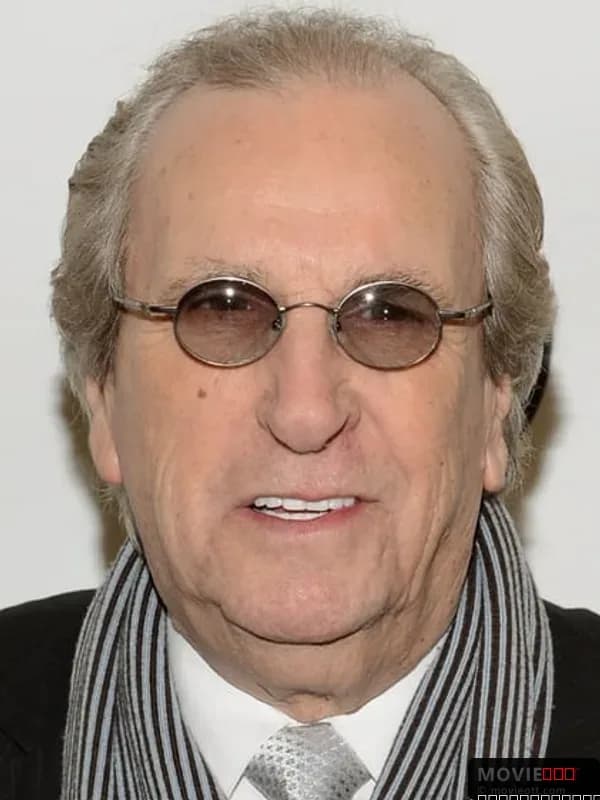
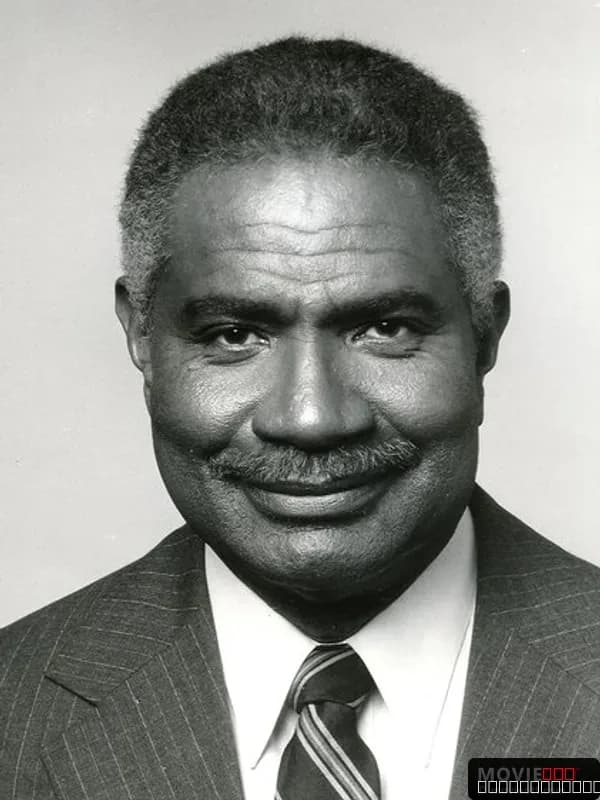
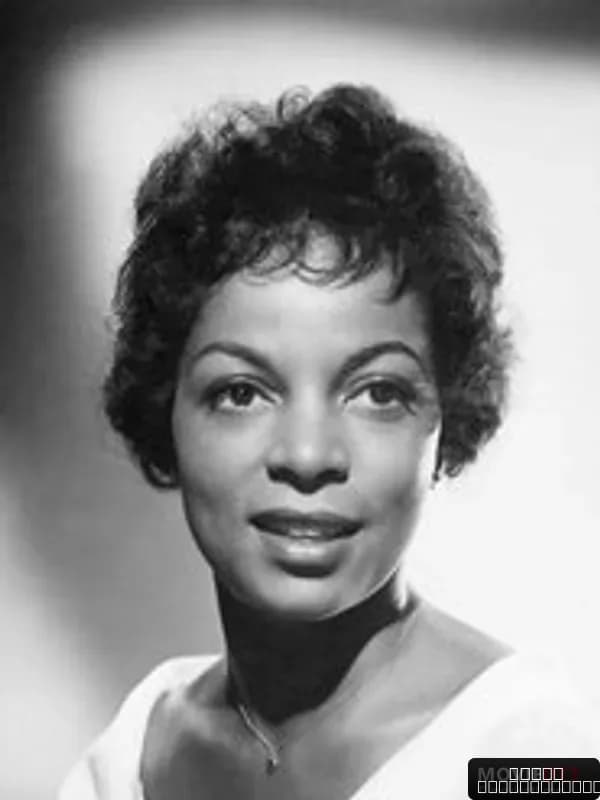
Danny Aiello plays Sal—a man who genuinely believes he loves this community, even as his blind spots grow harder to ignore as the day wears on. Ossie Davis and Ruby Dee, two giants of Black American theater and film, appear as Da Mayor and Mother Sister—the block's elder voices, its conscience. Bill Nunn is Radio Raheem, defined and ultimately destroyed by the boom box blasting Public Enemy's "Fight the Power." Giancarlo Esposito and Richard Edson round out a cast that doesn't have a weak link.
Cinematographer Ernest Dickerson and production designer Wynn Thomas shot almost entirely on location on Stuyvesant Avenue, saturating the frame with reds and oranges that make the neighborhood feel like it's literally burning before anything actually does. The visual strategy works—the film looks fevered, overheated, unstable.
The numbers: $27,545,445 at the domestic box office on a modest budget. Solid return, though the cultural conversation mattered far more. Critics overwhelmingly praised it—a 93 Metascore, 92% Fresh on Rotten Tomatoes. The Academy nominated it twice: Best Supporting Actor (Aiello) and Best Original Screenplay (Lee). Best Picture? Nothing. That snub remains one of the most debated decisions in Oscar history. Roger Ebert called it one of the greatest films ever made. He wasn't alone.
What Makes the Film Still Feel Dangerous
I keep coming back to Danny Aiello's performance. He brings genuine warmth to Sal—real affection for the neighborhood—even as that warmth curdles into something uglier under pressure. It's a masterclass in how good intentions and structural blindness can coexist in the same person.
Then there's Bill Nunn's monologue. Radio Raheem raises his hands, each finger spelling out L-O-V-E on one hand and H-A-T-E on the other, and delivers this speech about which one will win. It's one of the most quoted scenes in American cinema—and it earns every bit of that reputation. The monologue isn't just dialogue. It's the film's argument compressed into two minutes.
What's striking is the formal boldness. Lee shoots characters breaking the fourth wall, speaking directly into the camera in a sequence of ethnic slurs—deliberately, almost unbearably confrontational. Dickerson tilts and distorts the frame during conflict, putting the viewer physically off-balance. Public Enemy on the soundtrack isn't background music. It's a position statement.
The thing nobody mentions: this film doesn't get safer with age. It gets more relevant, which is different. Every time race and policing enter the national conversation, Do the Right Thing resurfaces. That's not because it "aged well." It's because the problems it documents never left.
Where to Watch It Right Now
The film's currently available on major streaming platforms. Movie OTT tracks where it's streaming this week across all the major services, and their where-to-watch widget updates in real time as licensing shifts—so if it rotates off one platform, you'll see exactly where it lands next without having to hunt around.
Given that this is a title with genuine cultural weight, it tends to stay in rotation on reputable platforms rather than disappearing into a vault for years at a time.
Runtime: 110 minutes
Rating: R (language, violence, adult themes)
Year: 1989
If You're Wondering Whether It's Worth Your Time
The IMDb rating sits at 7.5/10 from over 123,000 votes—which feels slightly low for something this formally accomplished. But popular ratings have never been the right measure for a film that deliberately provokes rather than pleases.
Here's the practical question: Should you watch it? Yes. Even if you've seen it before. The film rewards close attention, and honest reckoning happens on repeat viewings. You'll catch something you missed—a gesture from Davis, the way Dickerson frames a doorway, the placement of a character at the edge of the frame during a conversation they're not part of.
If you've watched Clockers or Chi-Raq, you already understand what Spike Lee does with urban spaces and moral ambiguity—but Do the Right Thing is where he perfected it. The economy of that single day forces every character into clarity. There's nowhere to hide.
FAQ
Q: Is it based on a true story?
Not directly. Lee drew on real racial tensions in New York City during the 1980s—including the 1986 Howard Beach incident—to shape the narrative. It's fiction rooted in documented reality.
Q: Why do people still talk about the Oscar snub?
The Academy nominated it for two awards but not Best Picture, despite the 93 Metascore and widespread critical consensus that it was the best American film of 1989. Many observers considered it a significant oversight.
Q: What's the connection to Public Enemy?
"Fight the Power," performed by Public Enemy, plays throughout the film and becomes almost a character itself—Radio Raheem's boom box blasting the song is central to the escalation. The song wasn't written specifically for the film, but it feels inseparable from it now.
Q: How does it hold up compared to other Spike Lee films?
It's his masterpiece. Not his only great film—Malcolm X, 25th Hour, and BlacKkKlansman are all strong—but Do the Right Thing is the one where every element aligns perfectly. The ambition, the craft, the risk-taking, the refusal to comfort the audience.
The Bottom Line
Do the Right Thing is the rare film that doesn't age because it was never really about 1989. It was about something older and harder to fix—the gap between how people see themselves and how the world sees them, the way good intentions can coexist with systemic harm, the temperature at which patience breaks.
Thirty-five years later, the film keeps showing up in conversations about race, policing, and urban America because it refuses to resolve those contradictions. That refusal is the point. Watch it without expecting catharsis. Watch it expecting to sit with discomfort. That's when it works.