







The Story of Mitsugetsu
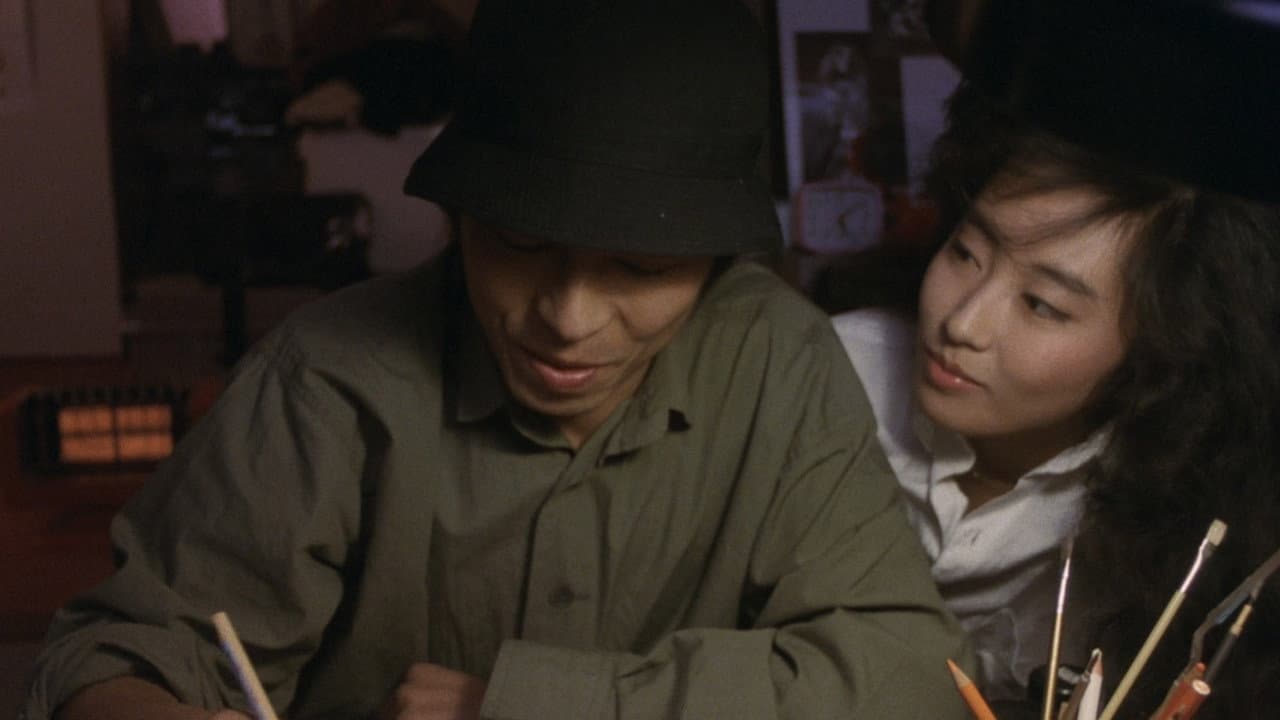
Mitsugetsu, released in 1984, tells the story of two people colliding at their lowest points. Tetsuaki is a writer trapped in creative paralysis, unable to finish his novel while his mother's health deteriorates around him. Mitsuko, meanwhile, has been forced into an engagement she doesn't want—a future decided for her by family obligation rather than her own desire. When these two meet, something shifts. They don't solve each other's problems. They don't magically heal. Instead, they run away together, two people seeking refuge in shared grief. The film follows them as they try to find some kind of peace, some temporary escape from the weight of their individual circumstances.
Behind the Making of Mitsugetsu
Mitsugetsu was produced by Art Theatre Guild and Cinema Hout, two Japanese production companies with deep roots in independent cinema. The film arrives at a particular moment in 1980s Japanese cinema—a period when directors were increasingly turning inward, away from the grand narratives of earlier decades and toward intimate, character-driven stories about loss and alienation. The 113-minute runtime gives the filmmakers space to breathe, to sit with silences and glances rather than rushing through plot. While the film didn't become a mainstream box-office phenomenon, it found its audience among critics and festival programmers who appreciated its restraint. The IMDb rating of 6.5/10 reflects a film that's deliberately paced and emotionally austere—not designed for universal appeal, but for viewers willing to meet it on its own terms. Art Theatre Guild had a reputation for championing unconventional narratives, and Mitsugetsu fits squarely within that mission: a film about internal struggle rather than external conflict, about the spaces between words rather than dialogue itself.
What Makes Mitsugetsu Stand Out
What's striking about Mitsugetsu is how it refuses easy sentiment. The relationship between Tetsuaki and Mitsuko isn't romantic in any conventional sense—there's no meet-cute, no grand declaration. Instead, it's built on recognition, the kind that happens when two broken people see themselves reflected in another's eyes and decide, for a moment, to stop running alone. The performances anchor the entire film; there's a restraint here that's almost uncomfortable to watch. Neither character explains themselves fully. We don't get neat backstories or therapy-session confessions. Instead, we get fragments—a conversation about his novel, her mention of the engagement, long stretches where they simply exist in the same room. This is filmmaking that trusts the audience to fill in the emotional gaps. The cinematography captures the texture of their escape: cramped rooms, grey weather, the kind of mundane beauty that most films ignore. I keep coming back to a scene where they're simply preparing a meal together—no music, no dramatic tension, just two people moving around a small kitchen. It's the kind of moment that reveals character more honestly than any monologue could. The film doesn't sentimentalize grief; it shows how grief flattens everything, how it makes even small tasks feel monumental.
Where to Stream Mitsugetsu Online
Mitsugetsu is currently available on major OTT services, and you can check the Where to Watch widget at the top of this page to see exactly which platforms are carrying it in your region right now. Streaming availability shifts regularly, so Movie OTT tracks current availability across Netflix, Prime Video, and other major platforms to help you find it without the guesswork. If you're a subscriber to multiple services, it's worth checking the widget first—you might already have access through a platform you're already paying for. The film's relatively modest profile means it doesn't always appear in the main search results on every platform, so having a dedicated streaming aggregator like Movie OTT pointing you in the right direction saves time.
Frequently Asked Questions
Q: Who directed Mitsugetsu?
Mitsugetsu was produced by Art Theatre Guild and Cinema Hout, two influential Japanese independent production companies, though the specific directorial credit isn't highlighted in widely available English-language sources. The film's style—intimate, patient, focused on internal emotional landscapes—reflects the sensibilities of 1980s Japanese art-house cinema.
Q: Is Mitsugetsu based on a true story?
There's no evidence that Mitsugetsu is based on a specific true story. Instead, it draws on universal experiences of loss, family obligation, and the search for meaning. The specificity of the characters' struggles—a novelist blocked by grief, a woman trapped by family expectations—feel drawn from lived experience even if the narrative itself is fiction.
Q: What's the runtime of Mitsugetsu?
The film runs 113 minutes, which gives it room to develop its quiet, contemplative pace without feeling rushed. That's not a short film, but it doesn't feel long either—the pacing is deliberately measured.
Q: Where can I watch Mitsugetsu right now?
Check the Where to Watch widget above this article to see which streaming services have Mitsugetsu available in your region. Availability changes frequently, so the widget gives you real-time information rather than outdated listings.
Q: What genre is Mitsugetsu?
Mitsugetsu is classified as a drama. It's not a thriller, not a romance, not a coming-of-age story—just a drama about two people and the weight they carry.
Who Should Watch Mitsugetsu
Mitsugetsu isn't for everyone, and that's not a criticism—it's honest. If you're looking for plot momentum or emotional catharsis, you'll likely find it frustrating. But if you appreciate films that sit quietly with difficult feelings, that trust silence as much as dialogue, that understand grief as something you don't overcome but learn to carry differently, then this film deserves your time. It's a film for patient viewers, for people who don't need everything explained, for anyone who's ever felt the weight of unfinished business or family pressure or creative paralysis. It's a film about the margins of life, about what happens when two people meet in those margins and decide to stay there together, at least for a while. That's enough.