

The story of Shoeshine and postwar Rome's forgotten children
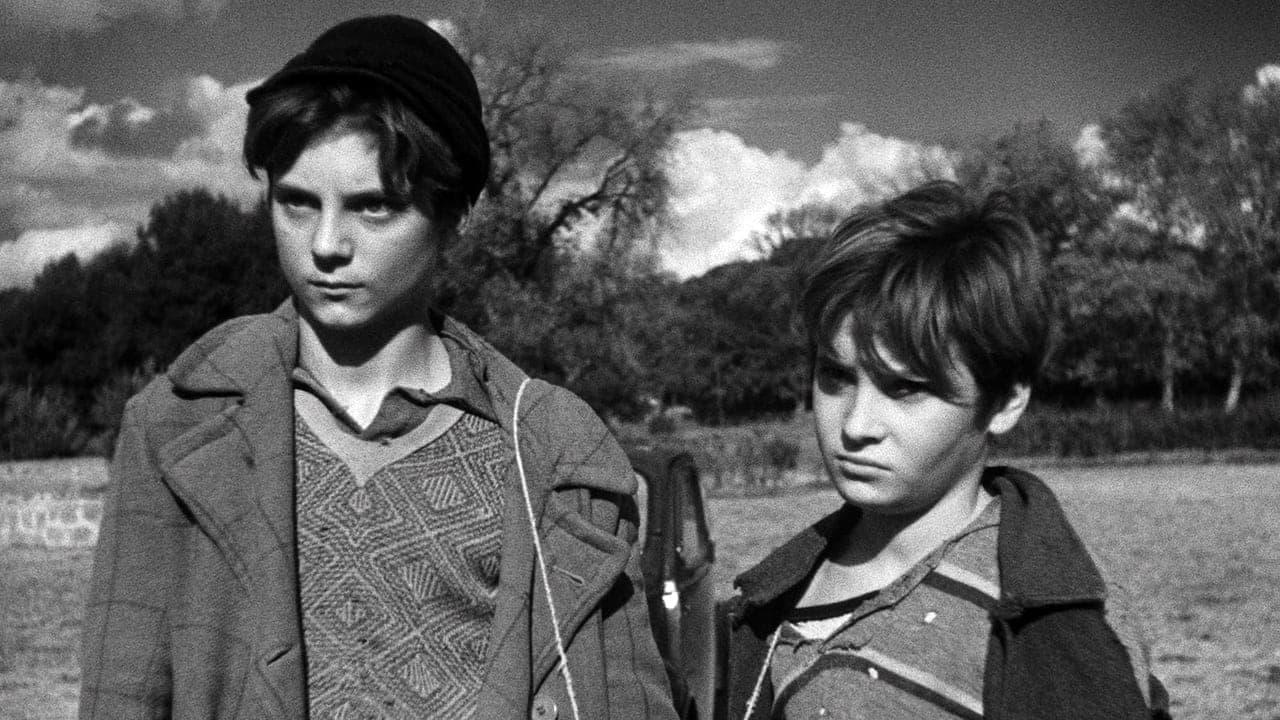
Shoeshine tells the deceptively simple story of two boys navigating the rubble and desperation of postwar Rome. Their names are Giuseppe and Pasquale, and they're not characters in some grand historical epic—they're just kids trying to scrape together enough money to buy a horse. That horse represents everything: freedom, escape, a shared dream that keeps them moving through the chaos of the city. But the film isn't a feel-good buddy story about determination. Instead, it's a portrait of how quickly childhood can be dismantled, how a single mistake—being in the wrong place at the wrong time, trusting the wrong person—can destroy not just individual lives but the bond between two people who've only ever had each other.
The plot unfolds with a kind of cruel inevitability. Giuseppe and Pasquale become unwitting dupes in a burglary, and their involvement lands them in juvenile prison. What happens next isn't shown as redemption or growth. Instead, the prison experience corrodes something essential in both boys, poisoning the friendship that was supposed to carry them forward. The genius of the film is that it doesn't spell out the moral. It simply shows you two kids before and after, and leaves you to sit with the wreckage.
Behind the making of Shoeshine and Vittorio De Sica's rise
Shoeshine emerged from Societa Cooperativa Alfa Cinematografica in 1946, directed by Vittorio De Sica at a moment when Italian cinema was hungry for a new language. The postwar period was brutal—the country was rebuilding, morally and physically—and filmmakers were abandoning the escapist fantasies of the Fascist era. De Sica's choice to cast nonprofessional actors and shoot on location in Rome's working-class neighborhoods wasn't a budget constraint; it was an artistic statement. The film runs 91 minutes, which is lean and purposeful, never padding itself with subplot or sentiment.
The production itself was modest, shot in a neorealist style that would become De Sica's signature and one of cinema's most influential movements. What's striking is that this wasn't his first film, but critics and film historians have regarded Shoeshine as his first true masterpiece—the moment when his vision crystallized. The film earned recognition beyond Italy's borders, though international distribution was slower in the 1940s than today's streaming ecosystem allows. Decades later, in 2008, the Italian Ministry of Cultural Heritage deemed Shoeshine significant enough to include on its list of 100 Italian films to be saved, films that "have changed the collective memory of the country between 1942 and 1978." That's not hyperbole. That's institutional recognition of the film's cultural weight.
The IMDb rating of 7.772/10 reflects a broad consensus that the film holds up. It's not a perfect ten—nothing is—but it's a film that viewers and critics return to, that doesn't feel dated or quaint, even though it's nearly eighty years old.
What makes Shoeshine stand out as neorealist cinema
Shoeshine doesn't work because of plot mechanics or narrative twists. It works because of something harder to quantify: the way De Sica captures the texture of childhood in a broken world. The boys aren't idealized. They're shrewd, sometimes petty, often funny—and that's what makes their eventual suffering so unbearable. When you watch them interact with each other early in the film, there's a real ease, a shorthand that only comes from kids who've grown up together in the same struggle. The prison sequences—and here's where I have to be careful not to spoil—don't show you torture or violence in the sensational way. Instead, they show you institutional indifference, the slow erosion of hope, and something worse: the way trauma can turn people against each other.
The performances from the nonprofessional cast are extraordinary precisely because they don't feel like "performances" at all. These are kids being kids, which makes every moment of their degradation land harder. The cinematography captures Rome as a place of beauty and desolation simultaneously—grand architecture next to bombed-out buildings, the Tiber running through it all. De Sica's direction is restrained. He doesn't manipulate you with music or close-ups. He just watches, and trusts you to feel what's happening.
What's often overlooked is the film's structure. It's built around a kind of tragic inevitability—you can see the disaster coming, but you can't stop it, and neither can the boys. That's the neorealist project at its heart: showing how ordinary people get crushed by systems larger than themselves, not through melodrama but through careful observation. The friendship between Giuseppe and Pasquale is the film's emotional core, and watching it crack under the pressure of prison is harder than any external conflict could be.
Where to stream Shoeshine online
Shoeshine is available on major OTT services, and Movie OTT tracks current streaming availability so you can find exactly where it's playing right now. Since streaming catalogs change frequently depending on licensing agreements and regional availability, the "Where to Watch" widget at the top of this page will show you the most up-to-date platforms. Whether you're subscribed to one of the major streamers or checking what's newly available, that widget is your fastest route to hitting play. The film's 91-minute runtime makes it an easy commitment for an evening, though its emotional weight lingers long after the credits roll.
Frequently asked questions
Q: Who directed Shoeshine and what's his legacy?
Vittorio De Sica directed Shoeshine in 1946. He's considered one of the founders of Italian neorealism, a movement that rejected studio artifice in favor of real locations, nonprofessional actors, and stories about ordinary people. De Sica went on to make other masterpieces, but Shoeshine remains his breakthrough.
Q: Is Shoeshine based on a true story?
The film isn't based on a specific true story, but it's rooted in the very real conditions of postwar Rome—the poverty, the orphaned and abandoned children, the juvenile justice system's failures. De Sica drew from the world around him rather than from a literary source.
Q: How long is Shoeshine?
The film runs 91 minutes, making it a lean and focused viewing experience that doesn't waste time but also doesn't rush its emotional beats.
Q: What's the IMDb rating for Shoeshine?
Shoeshine has an IMDb rating of 7.772/10, reflecting strong critical and viewer appreciation for its artistic achievement and emotional impact.
Q: Why was Shoeshine included on Italy's list of films to be saved?
In 2008, the Italian Ministry of Cultural Heritage selected Shoeshine as one of 100 films that "have changed the collective memory of the country between 1942 and 1978," recognizing its cultural and artistic significance to Italian cinema and society.
Final thoughts on Shoeshine
Shoeshine is the kind of film that doesn't announce itself as important. It just sits with you, quietly devastating. If you're looking for something challenging—not in the sense of being difficult to follow, but in the sense of asking you to witness real human pain without looking away—this is it. It's a film about childhood, friendship, injustice, and the fragility of hope, made by a director who understood that sometimes the most powerful stories are the smallest ones. Stream it when you're ready to feel something genuine.