What The Witches (1967) Is Really About
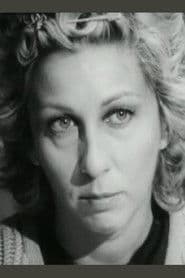
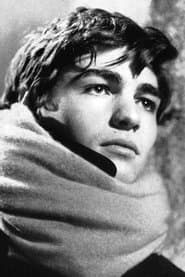
The Witches isn't your typical film. It's an anthology—five separate stories, each tackling the question of who women are and what men expect them to be. Produced by Dino De Laurentiis in 1965 and released in 1967, the film opens with a superstar actress who travels to a mountain resort, only to find herself the object of jealousy from women and desire from men. From there, we pivot to a woman offering aid to an injured man, then a widowed father and son searching for a new wife and mother, then a man seeking revenge for a woman's honor, and finally a bored housewife trying to convince her husband that he's become less romantic than he once was. Each story is a different flavor—some are darker, some lighter—but they're all asking the same question: What role does a woman play when everyone around her has already written the script?
Behind the Making of The Witches: Five Masters, One Film
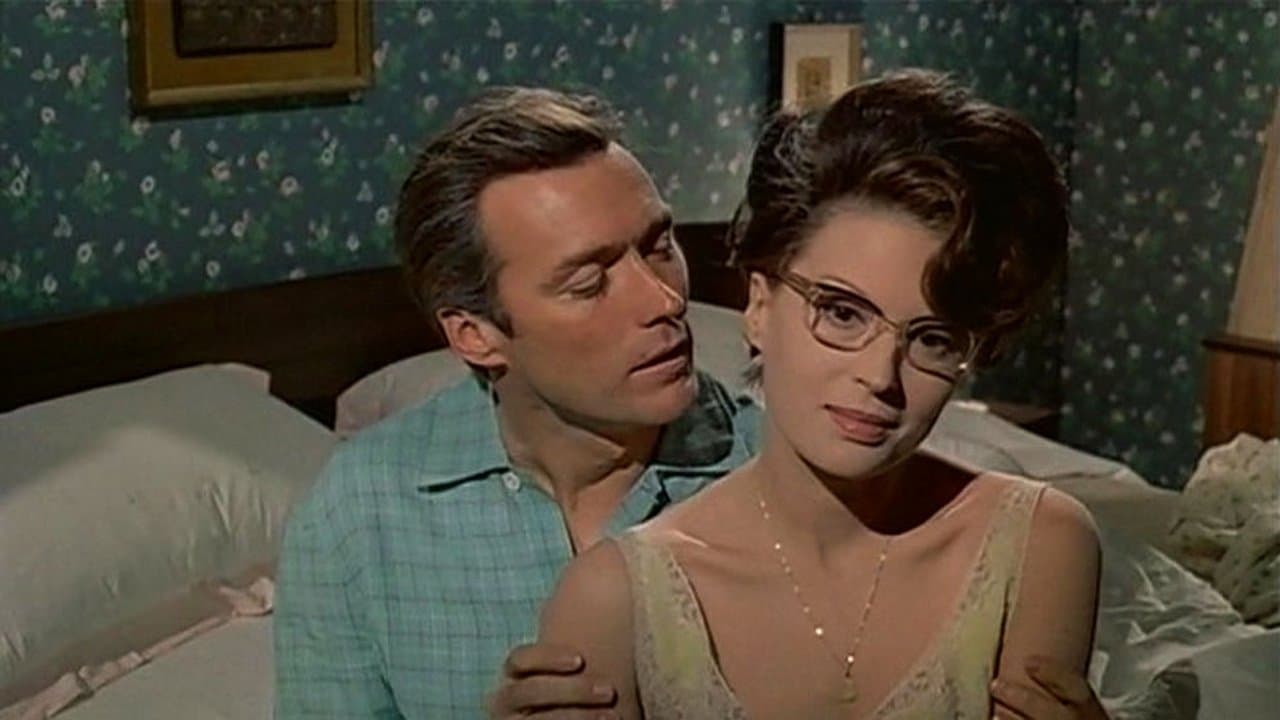
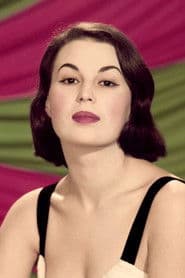
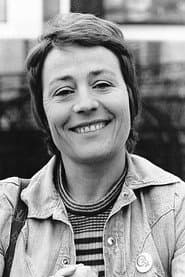
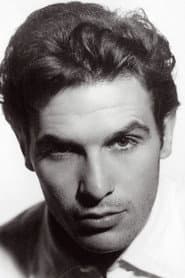
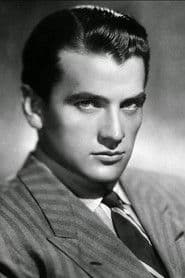
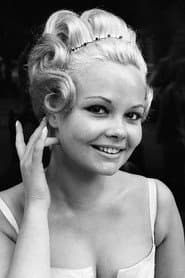
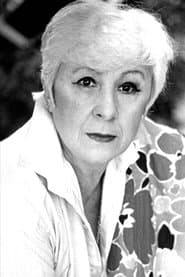
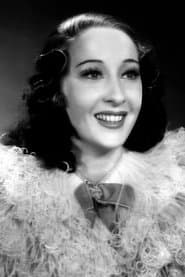
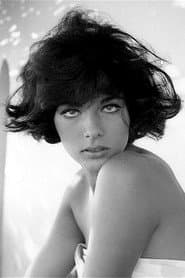
This is where The Witches gets genuinely fascinating. Dino De Laurentiis, the legendary Italian producer, assembled five of cinema's most distinctive voices to direct separate segments: Luchino Visconti, Mauro Bolognini, Pier Paolo Pasolini, Franco Rossi, and Vittorio De Sica. That's not a lineup you assemble by accident. Each director brought their own sensibility—Visconti's aristocratic eye, Pasolini's provocative edge, De Sica's humanist warmth—which means the film doesn't feel like five variations on a theme so much as five entirely different takes on the same central problem. The cast reflects that ambition too. Silvana Mangano anchors the film with her star power, but the supporting ensemble includes Clint Eastwood (in a relatively small role), the legendary Italian comedian Totò, and Annie Girardot, among others. What's striking is that this was the last film Totò would see released during his lifetime—a poignant footnote to what was already an ambitious production. The film runs 111 minutes across its five stories, which means no single segment gets bloated; each one has room to breathe but not enough to overstay its welcome.
Why The Witches Works Despite Its Oddness
Antology films are tricky. They don't always cohere, and when they don't, the whole thing can feel scattered and unsatisfying. But The Witches somehow pulls it off—not because every segment is equally strong (they're not), but because the film commits so fully to its central thesis that the unevenness becomes part of its charm. The opening story, "The Witch Burned Alive," is widely considered the standout; it's the one where Visconti's visual precision and the film's satirical bite align perfectly. But even the weaker segments have moments—and the score, composed specifically for the film, gives the whole thing a cohesive musical identity that wouldn't exist otherwise. What audiences tend to notice is that The Witches doesn't try to be subtle about its commentary on gender roles. It's a commedia all'italiana at heart, which means it's broad, sometimes farcical, occasionally crude—but that directness is actually its strength. There's no winking at the audience about whether women are "really" the problem here; the film just shows you five different scenarios where men's expectations crash up against women's reality, and lets you draw your own conclusions. I keep coming back to how the film's title itself is a kind of provocation. "Witches"—not heroines, not victims, not even protagonists in the traditional sense. Women as men see them: mysterious, dangerous, capable of casting spells. The film doesn't argue with that framing so much as expose it.
Where to Stream The Witches Online
The Witches is currently available on major OTT services, and Movie OTT tracks exactly where you can find it right now—because streaming rights shift constantly, and the last thing you want is to settle in expecting to watch a 1967 Italian anthology only to discover it's not where you thought it was. The "Where to Watch" widget at the top of this page shows you every platform currently carrying the film, so you can jump straight to whichever service you already subscribe to. Given the film's length and its episodic structure, it's actually well-suited to streaming; you could watch one segment at a time if you wanted to, though the full experience is definitely worth sitting through in one go if you've got the time.
Frequently asked questions
Q: Who directed The Witches (1967)?
Five different directors each helmed one segment: Luchino Visconti, Mauro Bolognini, Pier Paolo Pasolini, Franco Rossi, and Vittorio De Sica. It's a rare collaborative effort among some of Italian cinema's greatest talents, all working within Dino De Laurentiis's production.
Q: Is The Witches based on a true story?
No, it's an original anthology film made specifically for the screen. Each of the five stories is fictional, though they're grounded in observations about gender dynamics and social expectations in 1960s Italian society.
Q: What's the runtime of The Witches?
The complete film is 111 minutes long, with the five stories distributed across that length, so no single segment dominates the running time.
Q: Does The Witches have subtitles if I watch it in English?
The Witches is an Italian production, so depending on which streaming platform you're using (check the "Where to Watch" widget), you may have the option to watch it dubbed into English or with English subtitles. Most major OTT services offer both.
Q: What's the IMDb rating for The Witches?
The film holds a 6.0 out of 10 on IMDb, which reflects its status as a divisive but respected work—high enough to indicate genuine artistic merit, but not so high as to suggest universal acclaim.
Final Thoughts on The Witches
The Witches isn't a film for everyone. It's zany, sometimes uneven, occasionally baffling. But if you're the kind of viewer who appreciates ambitious misfires more than polished mediocrity—if you'd rather watch five great directors take swings at the same question than watch one director play it safe—then this 1967 anthology deserves your time. It's a product of a specific moment in Italian cinema, directed by men who weren't afraid to be provocative, and it shows.